What Is Event Production? What a Production Company Actually Does
Leeor S.
Owner, Space Productions
5 min read
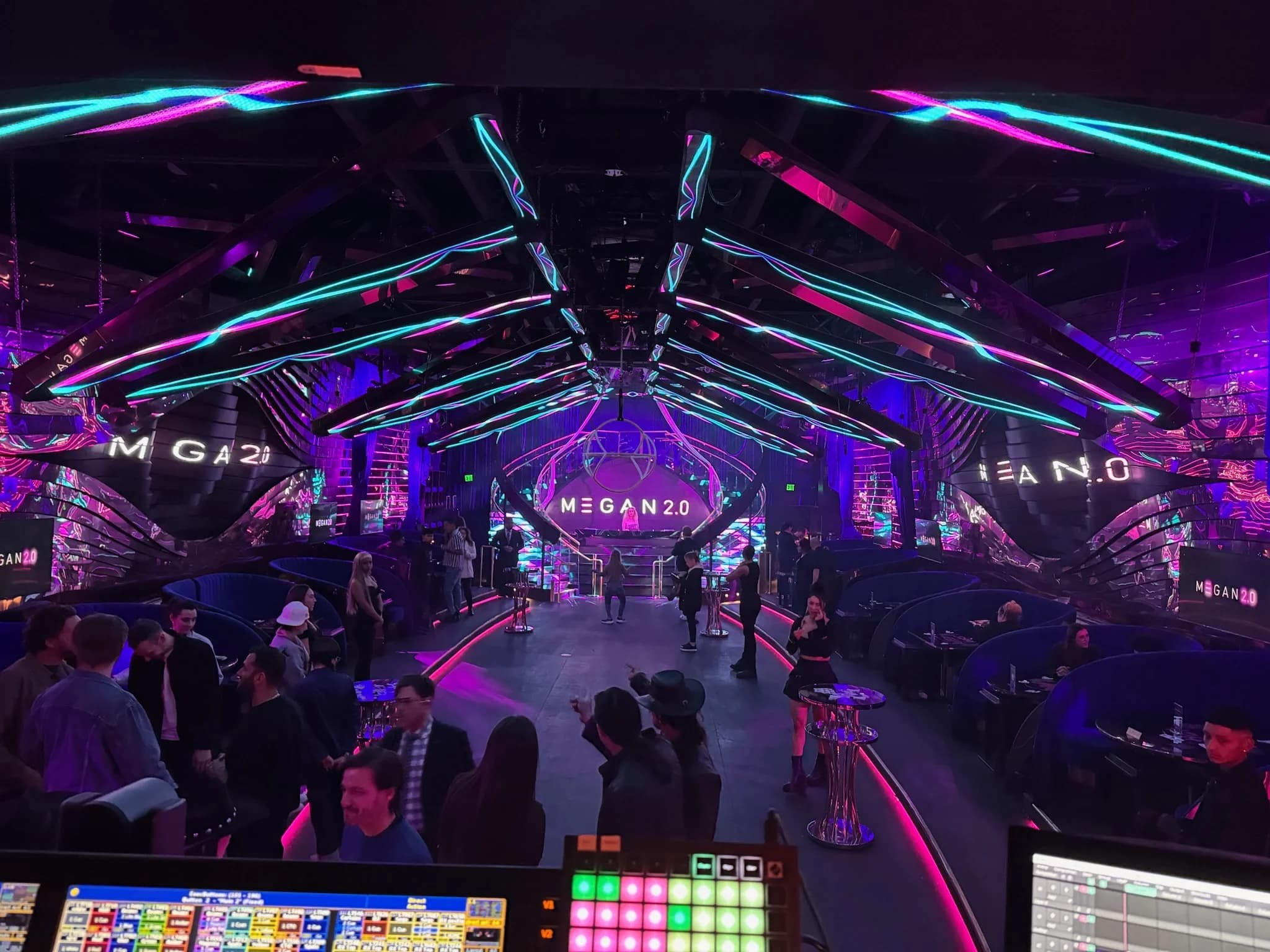
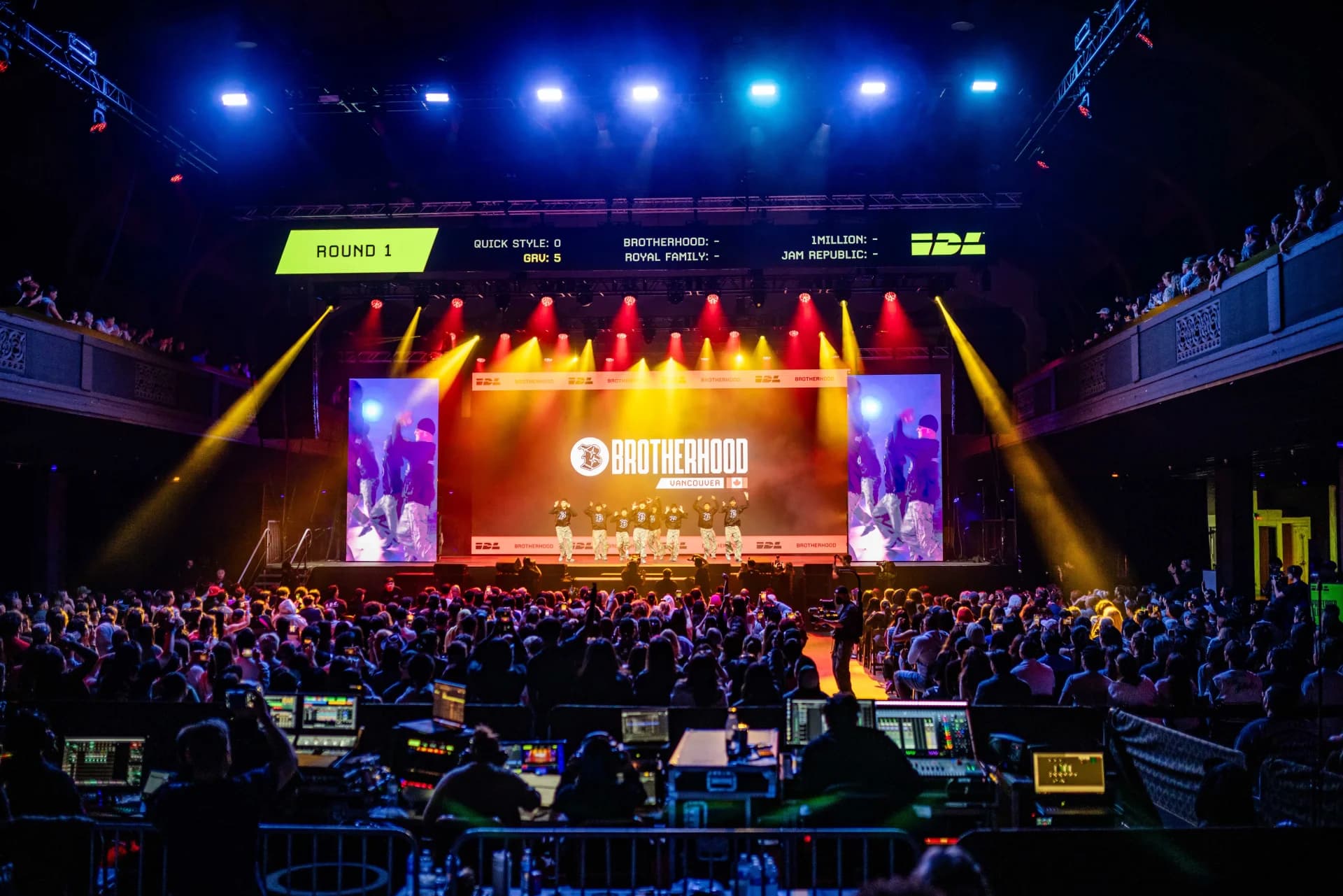
Event production is the technical side of making an event happen: the stage, LED and video, lighting, audio, rigging, and power — designed together, built on site, and run live by a crew through the show. An event production company owns that side from the first site walk to the last case on the truck, so the planner can run the event instead of the equipment.
Key takeaways
- Event production is the technical side of an event — staging, LED and video, lighting, audio, show control, rigging, and power — designed, built, and run by one crew.
- Planners own the event; AV rental supplies the equipment and crew; a production company adds show design, show calling, and one producer accountable from plan to strike.
- Plan on four to eight weeks for most events, and two to three months for large builds and peak season.
In this article
Ask ten people what “event production” means and you’ll get ten answers, because the term covers everything from renting a microphone to running a televised awards show. Here’s the plain-English version: what it includes, who does what, how the timeline runs, and when you need a production company rather than an AV rental.
What event production includes
| Discipline | What it covers |
|---|---|
| Staging and scenic | The stage, risers, set pieces, and anything built for the room — see stage rental and staging |
| LED and video | LED walls, projection, IMAG cameras, playback, and switching |
| Lighting | Key light for faces, washes, effects, and the programmed cues |
| Audio | The sound system, microphones, monitors, and the engineer mixing the room |
| Show control | Media servers, timecode, and the cue stack that ties it all together |
| Rigging and power | Truss, motors, load-rated hang points, and power distribution |
| Broadcast | Streaming and recording for remote audiences |
Event production vs. event planning vs. AV rental
An event planner owns the event — the venue, the guests, the catering, the schedule, the budget. AV rental covers the technical side: sound, screens, lighting, and the crew to run them. Full production adds the producing: show design, staging and scenic, show calling, and one producer who owns the whole event from plan to strike. Many planners hire a production company precisely so there’s one technical team accountable instead of five vendors pointing at each other.
Who does what on a production team
- Producer — owns the outcome, the budget, and the client relationship
- Technical director — runs the floor and the crew through load-in, show, and strike
- Show caller — calls every cue during the show, from the run of show
- Engineers and operators — audio, video, and lighting, each running their system live
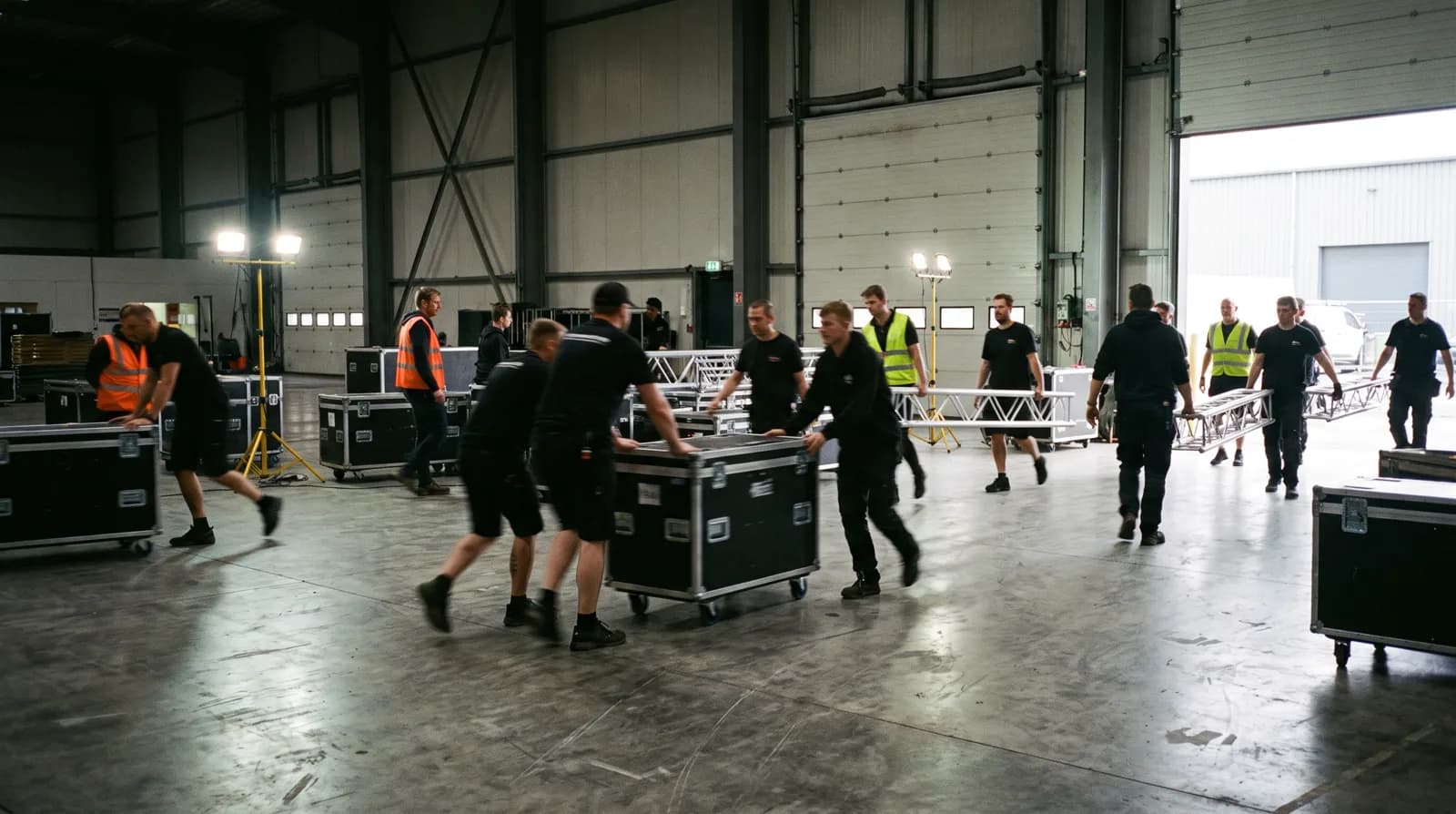
- Stagehands and riggers — build, hang, and strike the show
How an event production timeline runs
- Site walk and spec — the venue walked and the whole show drawn: stage, LED, lighting, audio, and control
- Quote — every discipline priced on one document, with changes priced before they happen
- Pre-production — content loaded and frame-checked, the cue stack built, scenic and staging pre-built in the shop
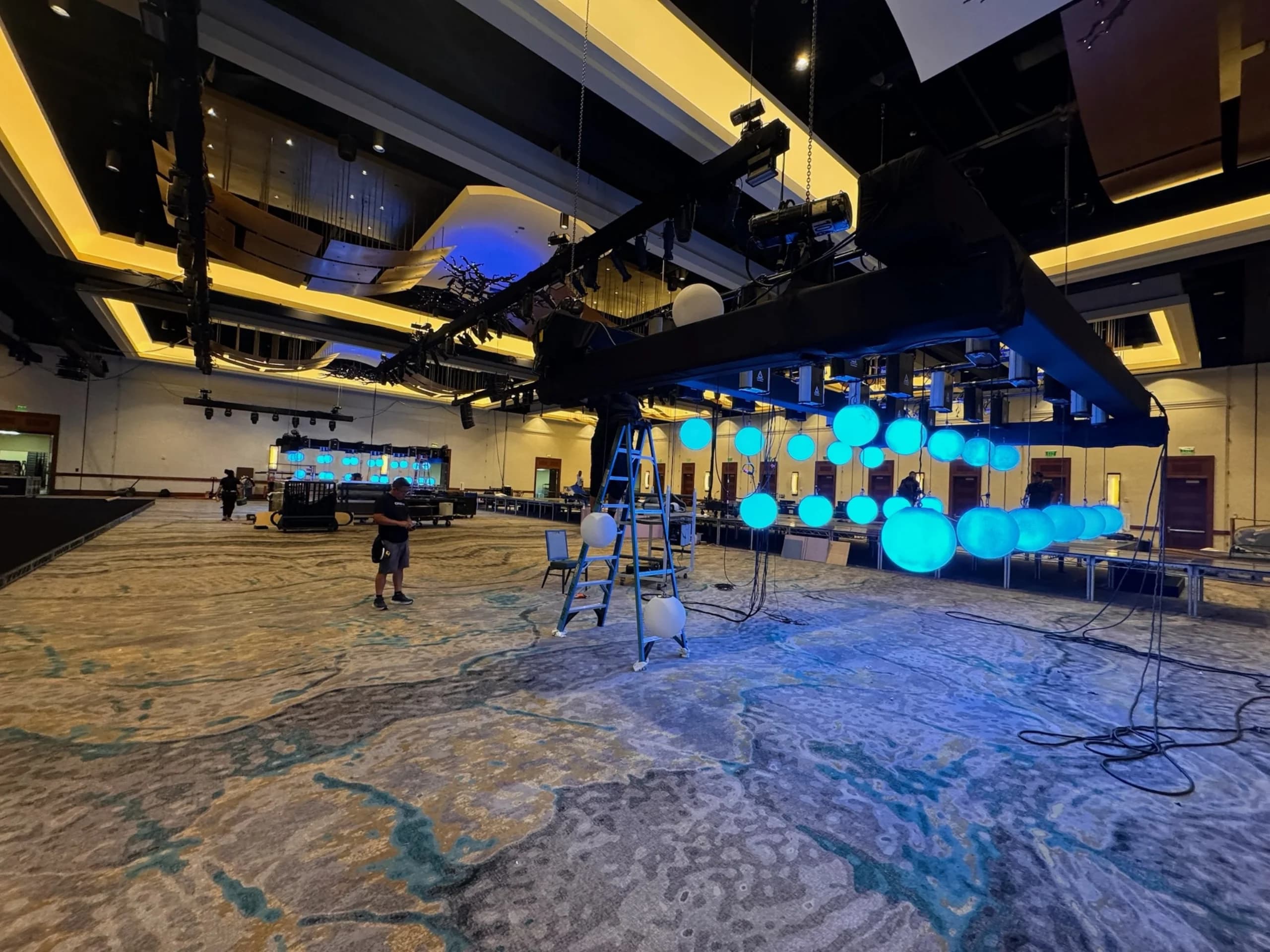
- Load-in — rigging first, then structure and LED, then power and data, then content and focus (how pros sequence it)
- Rehearsal — the show run with the talent before doors
- Show — the crew runs it live, with a technician through the last cue
- Strike — out on schedule, gear accounted for
For most events that planning window is four to eight weeks; large builds and peak season want two to three months.
What event production costs
It scales with rooms, days, and production value. Published 2026 guides put a produced single-room general session around $25,000–$75,000, branded staging with a larger LED build at $75,000–$175,000, and multi-day, multi-room productions at $175,000–$350,000. For the individual pieces, see our guides to stage, LED wall, lighting, sound, and conference AV costs.
When you need a production company
- More than one technical discipline has to work together — stage, LED, lighting, and audio
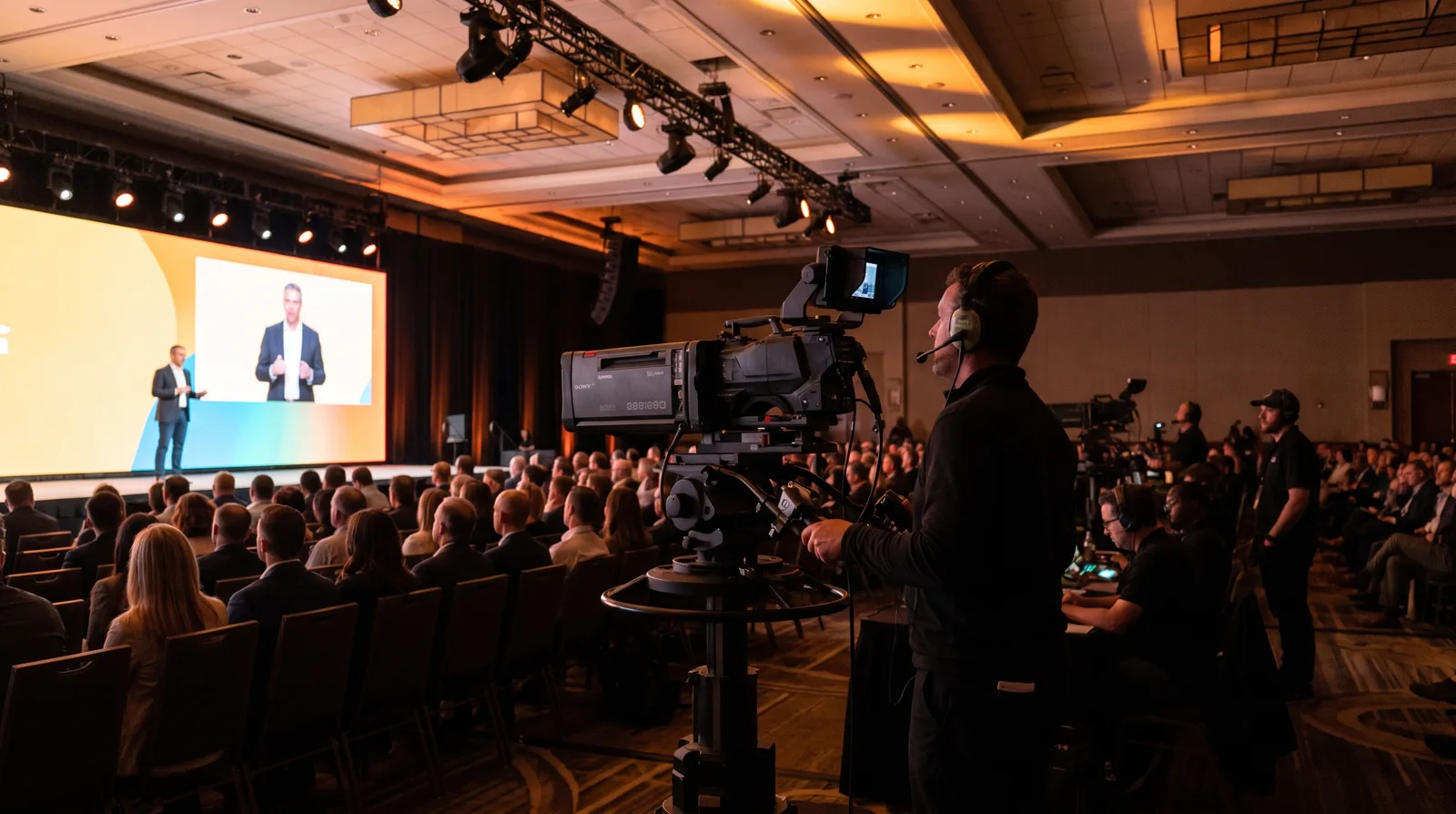
- The event is on camera: IMAG, a livestream, or a broadcast
- There’s a run of show with cues, reveals, or performances
- The venue has rigging, power, or load-in constraints to engineer around
- You want one number to call instead of five vendors
How we produce events
A single producer takes the whole show — LED, stage, lighting, audio, and show control under one crew, planned together and delivered together: one site walk, one run of show, one rehearsal, one invoice. We own the gear, the build, and the crew, and a technical director stays on site for the full run. See full event production, or tell us about the event.
Frequently asked questions
What is event production?
The technical side of making an event happen: staging, LED and video, lighting, audio, show control, rigging, and power, designed together, built on site, and run live by a crew through the show.
What does an event production company do?
It walks the venue, designs and quotes the technical show, builds what it can in advance, loads in, rehearses, runs the event live, and strikes — with a producer accountable for the outcome and a technical director running the floor.
What is the difference between event production and event planning?
An event planner owns the event itself — the venue, guests, catering, schedule, and budget. Event production owns the technical show: the stage, screens, lighting, sound, and the crew that runs them. Planners and production companies work side by side.
What is the difference between AV rental and full production?
AV rental covers the technical side — sound, screens, lighting, and the crew to run them. Full production adds the producing: show design, staging and scenic, show calling, and one producer who owns the whole event from plan to strike.
What does a technical director do at an event?
Runs the floor: leads the crew through load-in, rehearsal, the show, and strike, and makes the technical calls on site so the producer and the client don’t have to.
How far in advance should I book event production?
Four to eight weeks for most events; two to three months for large or touring builds and for peak season, October through December.
Planning an event in LA?
Get a clear, itemized quote.
Tell us the venue, the date, and the scope. We’ll spec the LED, lighting, and audio to your room — with an on-site crew through strike.
Get Your Quote or call (323) 974-54735.0 · 300+ Google reviews