Surviving the 90-Minute Load-In
A tight load-in window doesn’t have to be a scramble. How experienced crews sequence the build so doors arrive with the show rehearsed — not half-rigged.
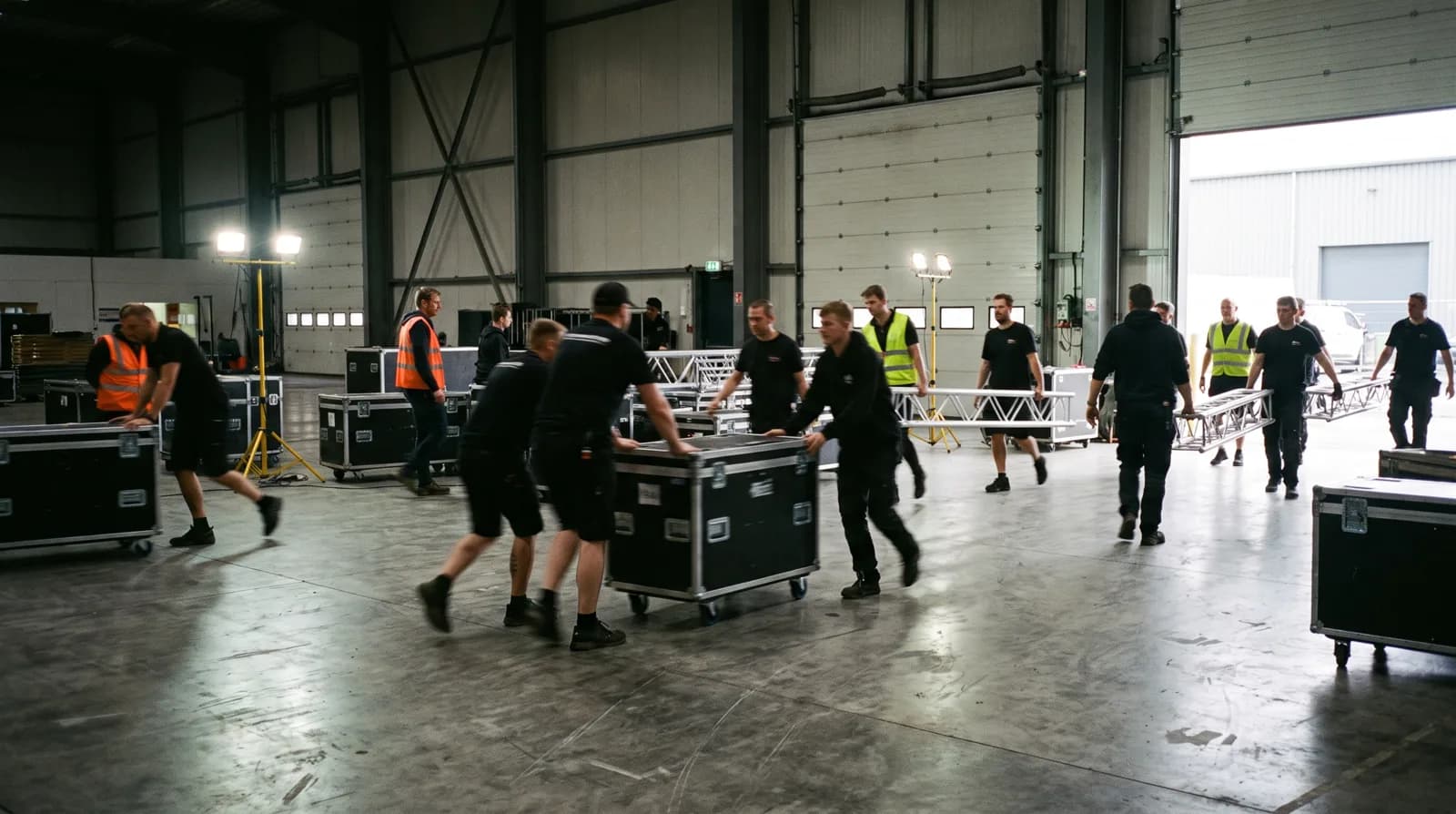
Every producer knows the panic: a short load-in window, a full rig to build, and a clock that doesn’t care. The crews that stay calm aren’t faster on the day — they’ve front-loaded the decisions so the load-in is a checklist, not a series of surprises.
Win the load-in before the truck arrives
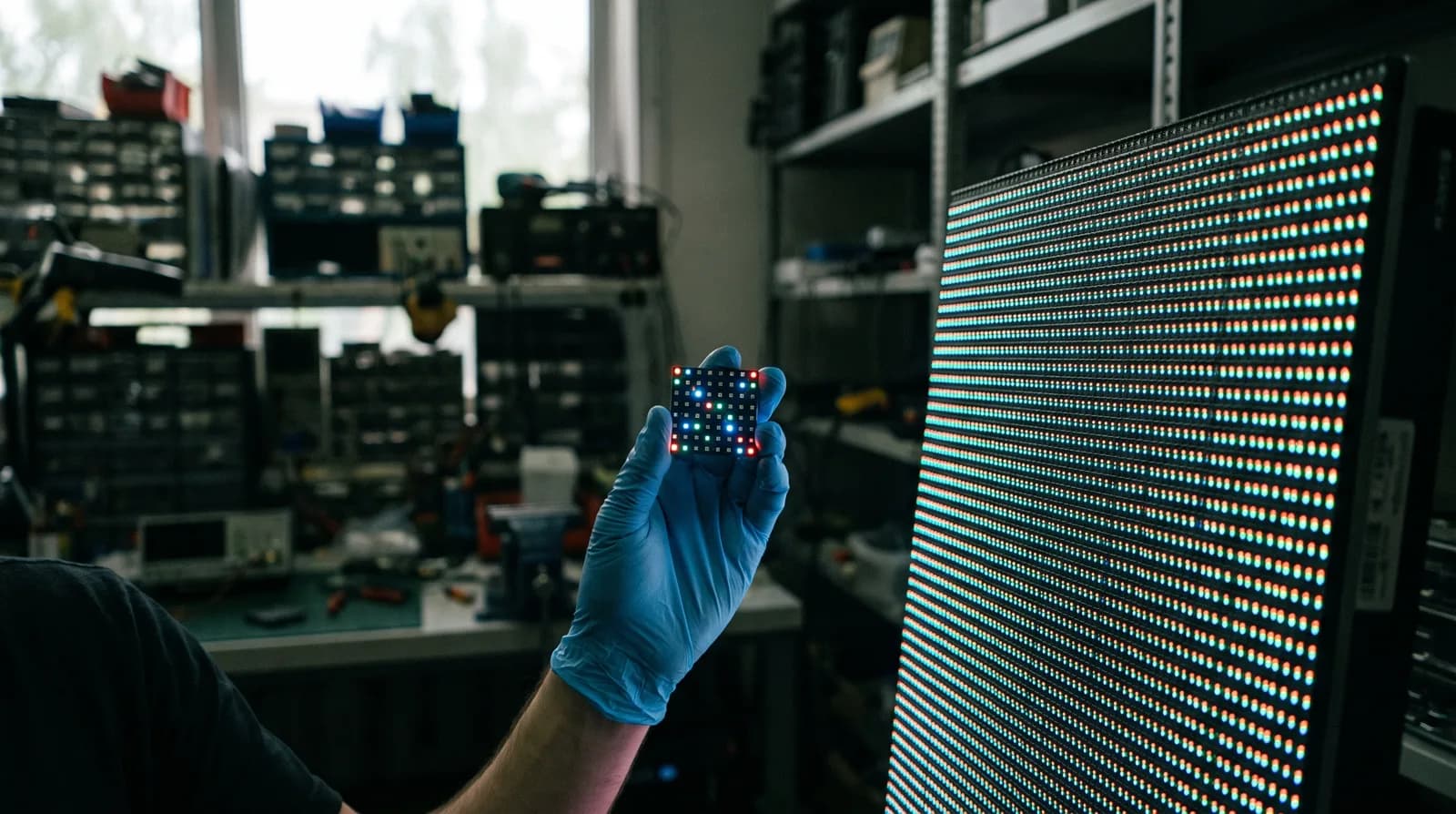
The site walk is where load-ins are won. Power locations, rigging points, sightlines, dock access, and the path from truck to stage all get mapped in advance, so nobody’s problem-solving doorways at call time. Gear is tested in the shop the day before — problems get found on our floor, not yours.
Sequence is everything
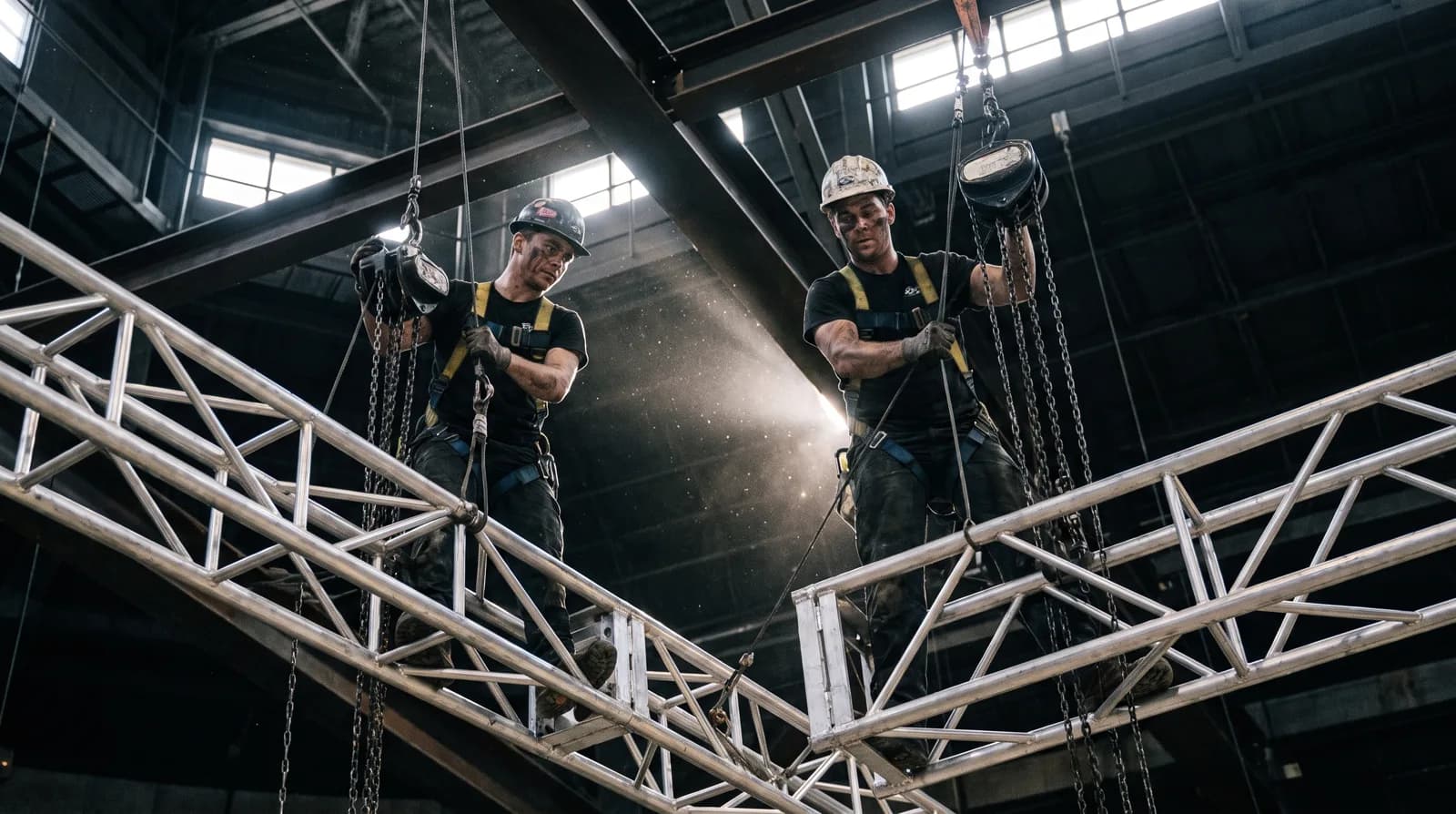
The order of operations is the whole game: rigging and motors first so points are set, then LED and structure, then power and data, then content and focus. Run those in parallel where the floor allows and in strict order where they’d collide. A good plan keeps three things from ever waiting on each other.
Pre-build and label
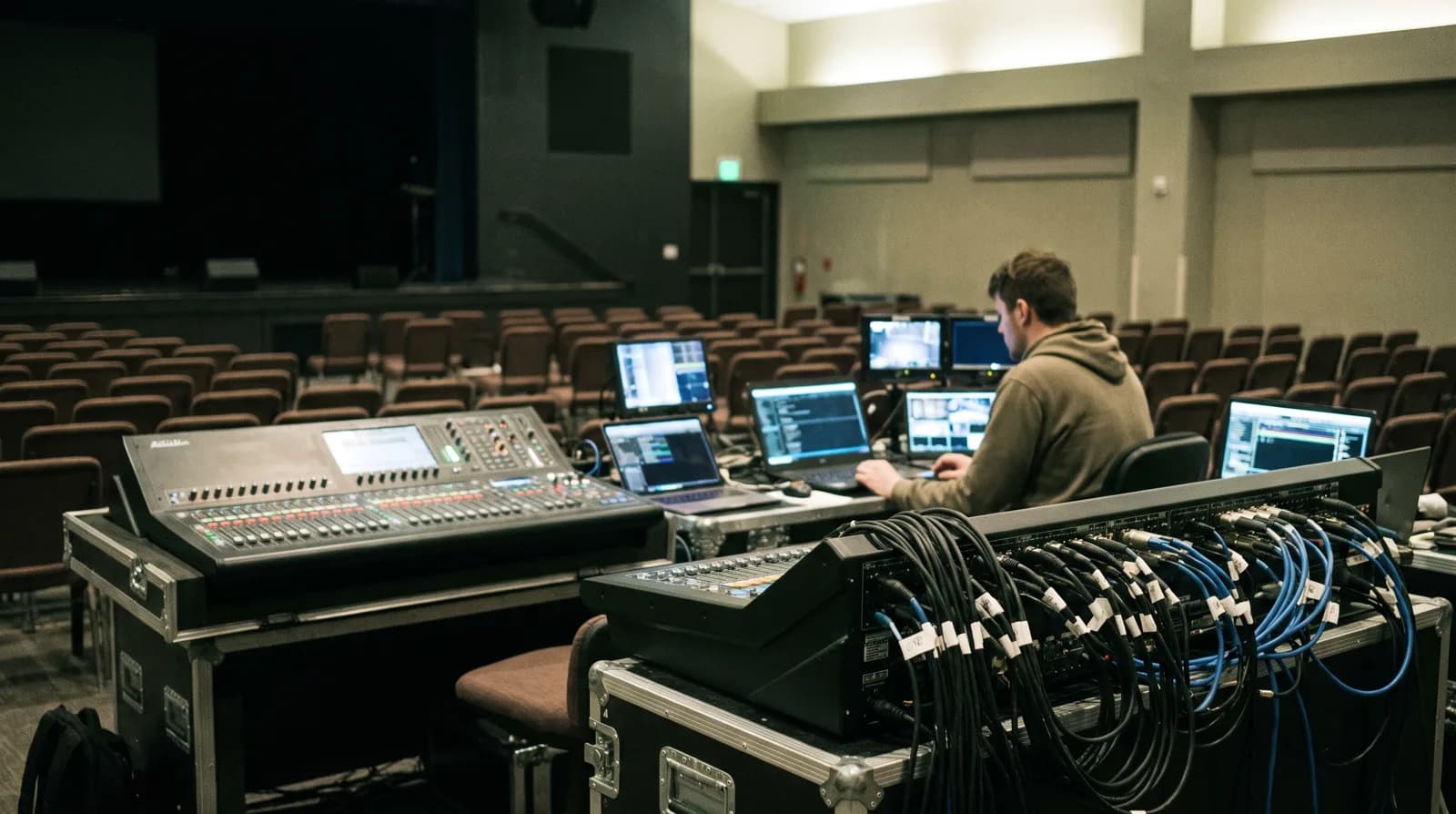
Cable looms made up in advance, panels pre-mapped, cases packed in load order, everything labeled. The minutes you spend prepping in the shop are the minutes you’re not losing on the floor — and labeling is what makes a fast fix possible when something does go sideways.
Protect the rehearsal
The goal of a tight load-in isn’t to finish at doors — it’s to finish before doors, with time to rehearse. We sequence backward from the rehearsal, not the deadline, so the show gets a real run while there’s still time to fix what the run reveals.
Key takeaways
- The site walk wins the load-in: map power, points, sightlines, and the path in advance.
- Sequence rigging → LED → power/data → content; parallelize only where the floor allows.
- Pre-build and label everything, and plan backward from the rehearsal, not the deadline.