Hybrid & Live-Streamed Events: Looking Great on Camera
Leeor S.
Owner, Space Productions
Updated 7 min read
A hybrid event has two audiences, and neither forgives a dropout. What it takes to make the stream as good as the room — and the failure points to plan around.
Key takeaways
- Hybrid = a directed, multi-camera production for two audiences, not a webcam on a link.
- Redundancy is non-negotiable: backup encoders, redundant connectivity, a tech watching the encode.
- IMAG and lighting decide whether the speaker reads in the room and on the stream — rehearse both.
In this article
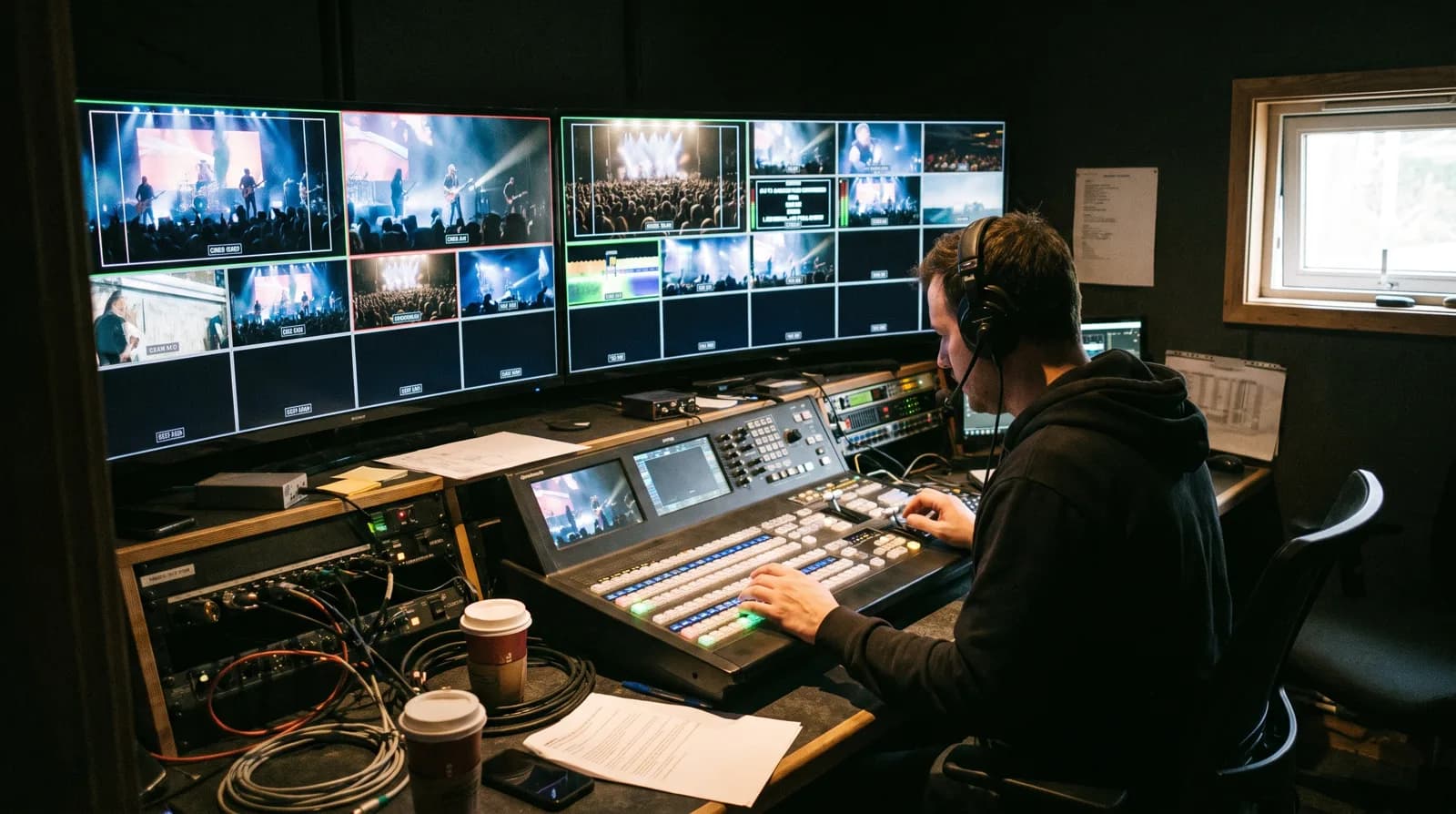
Live streaming used to mean a webcam pointed at a stage. A real hybrid event is a directed, broadcast-quality production for two audiences at once: the people in the seats and the people on a laptop, each getting a show that holds up. That takes more than a camera and a link.
Two audiences, one show
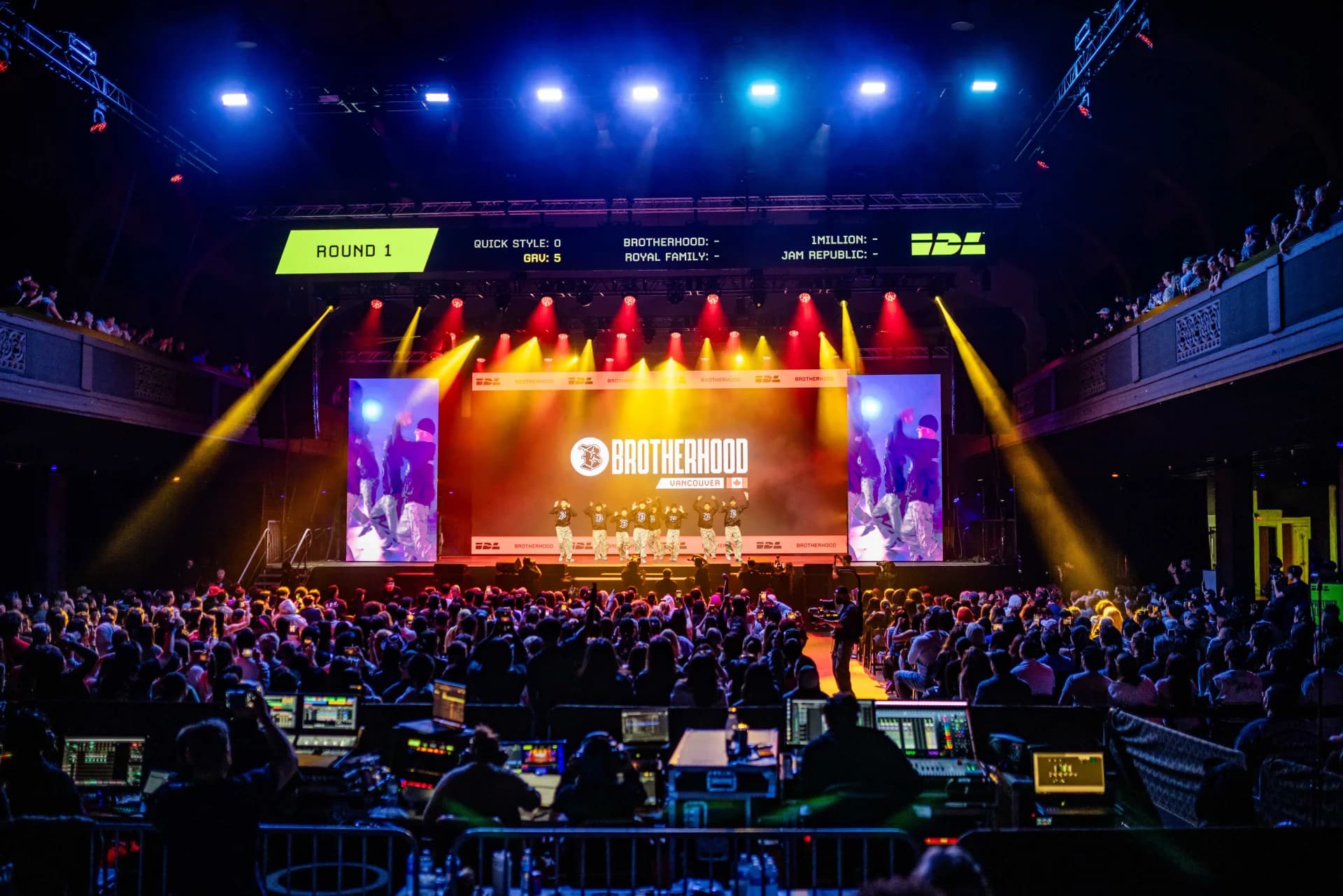
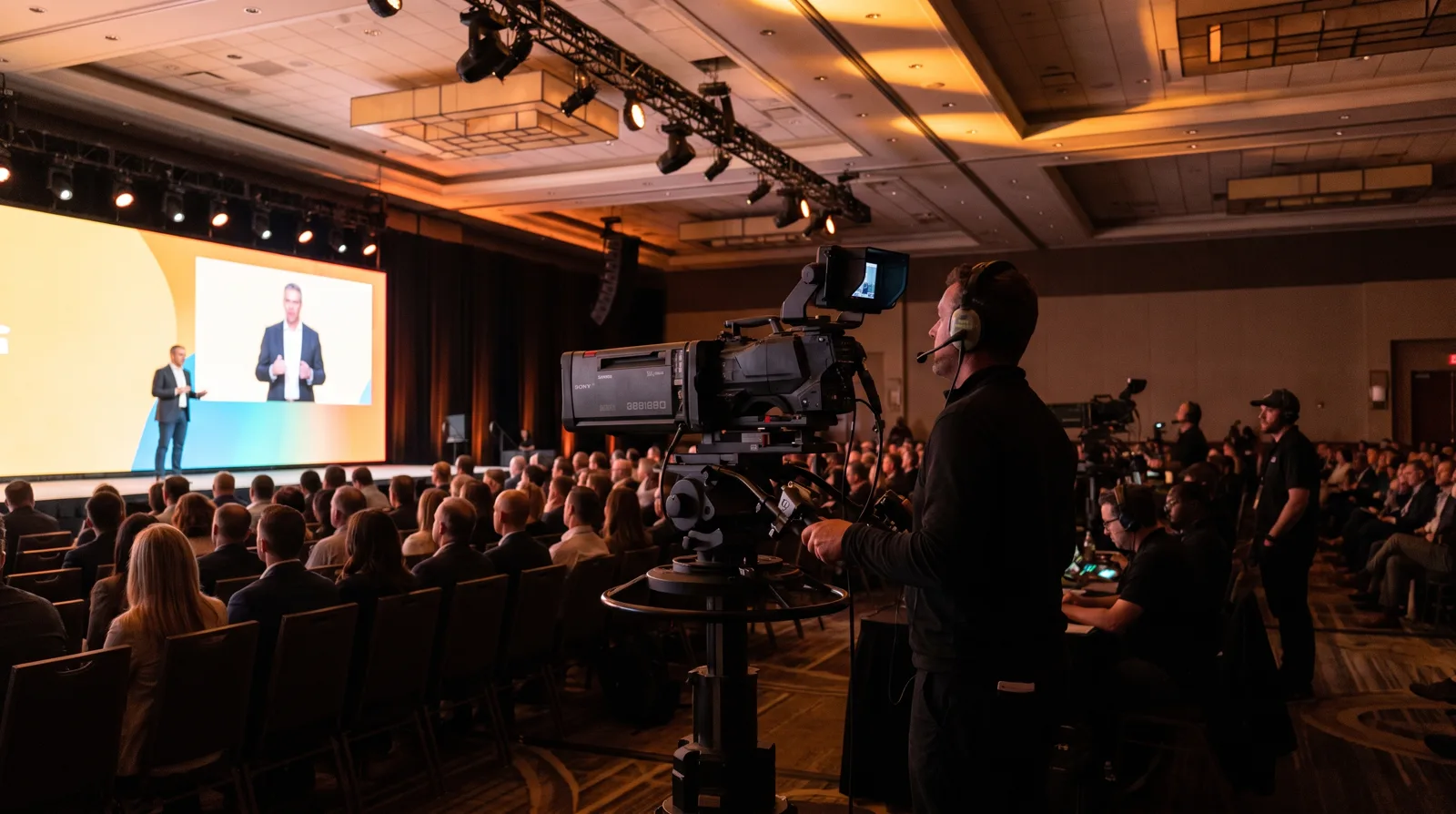
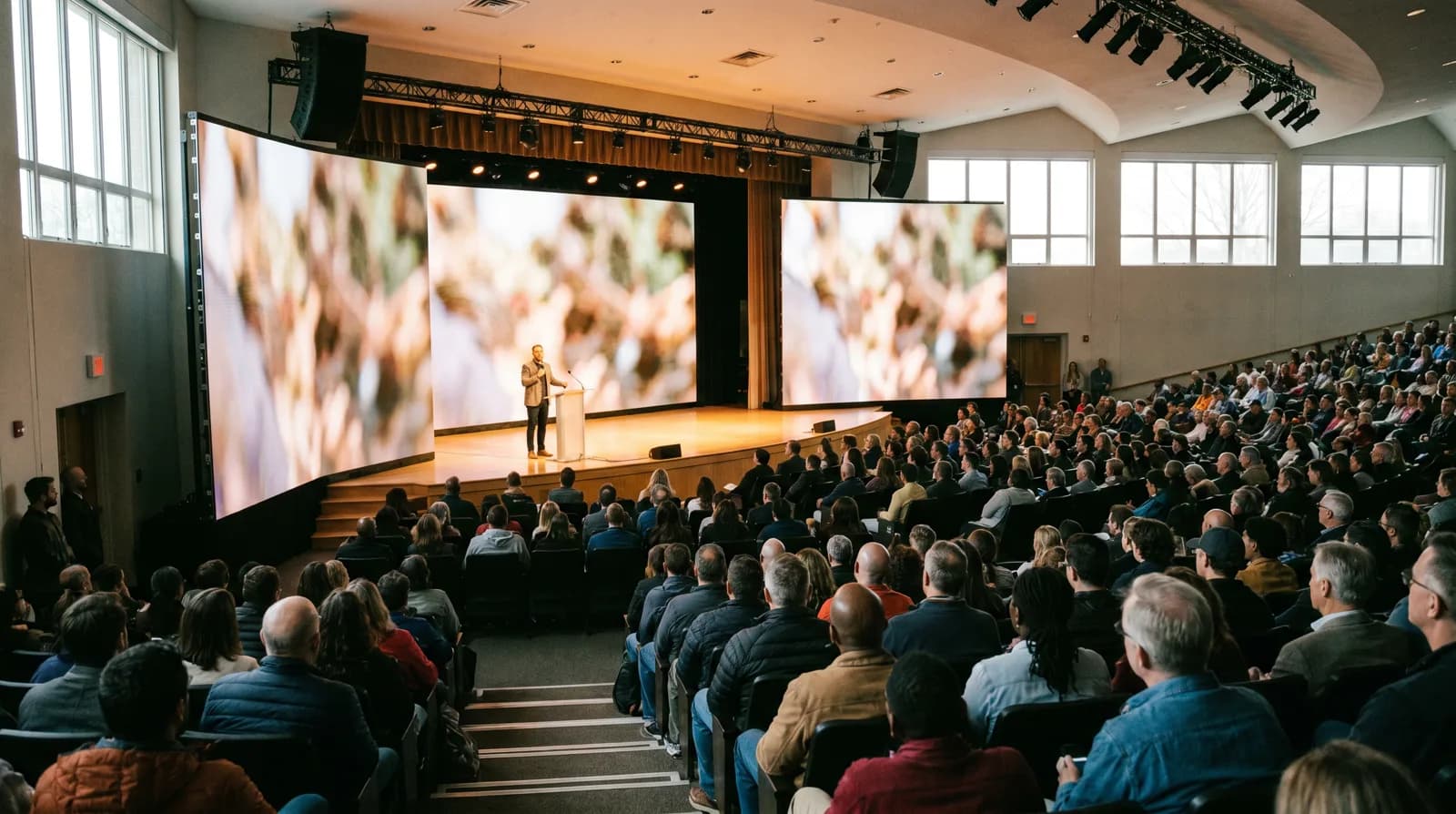
The in-room audience needs IMAG — the big screens that make a speaker readable from the back. The remote audience needs a switched, multi-camera feed with graphics and clean audio. Both run off the same production, cut live by a director, so the moment lands the same way in both places.
The stream has no second take
Everything in a hybrid show is built around redundancy, because a dropped stream can’t be re-run. Backup encoders, bonded or redundant connectivity, and a tech watching the encode and the room the whole time mean a single failure never takes the remote event down with it. Plan for the internet to misbehave, not to cooperate.
IMAG: the in-room half
IMAG is its own discipline — camera positions, even key light, and a switcher feeding the LED so the person on stage reads cleanly to the back row and the lens at the same time. Get the lighting and framing right and the room and the stream both benefit; get it wrong and both look amateur.
What to plan around
Connectivity, audio embedding, platform settings, and a rehearsal that includes the stream — not just the room. We’ve put flawless keynotes in front of 10,000+ remote attendees by treating the feed as a deliverable in its own right, with the same redundancy and rehearsal as everything on stage.
Frequently asked questions
What is a hybrid event?
An event with an in-person audience and a remote audience at the same time. One production, cut live by a director, feeds IMAG screens in the room and a switched, multi-camera stream online.
How do you livestream an event professionally?
With multiple cameras switched live, graphics, and clean embedded audio; backup encoders and redundant or bonded connectivity; a technician watching the encode for the whole show; and a rehearsal that includes the stream, not just the room.
What is IMAG?
Image magnification — live camera shots of the stage shown on large screens so a speaker reads clearly from the back of the room. The same camera feeds usually drive the stream.
What usually goes wrong with event livestreams?
Connectivity, audio embedding, and platform settings. Plan for the internet to misbehave: redundant encoders and connections, and a full rehearsal of the stream before doors.
Planning an event in LA?
Get a clear, itemized quote.
Tell us the venue, the date, and the scope. We’ll spec the LED, lighting, and audio to your room — with an on-site crew through strike.
Get Your Quote or call (323) 974-54735.0 · 300+ Google reviews