Know what you’re asking for
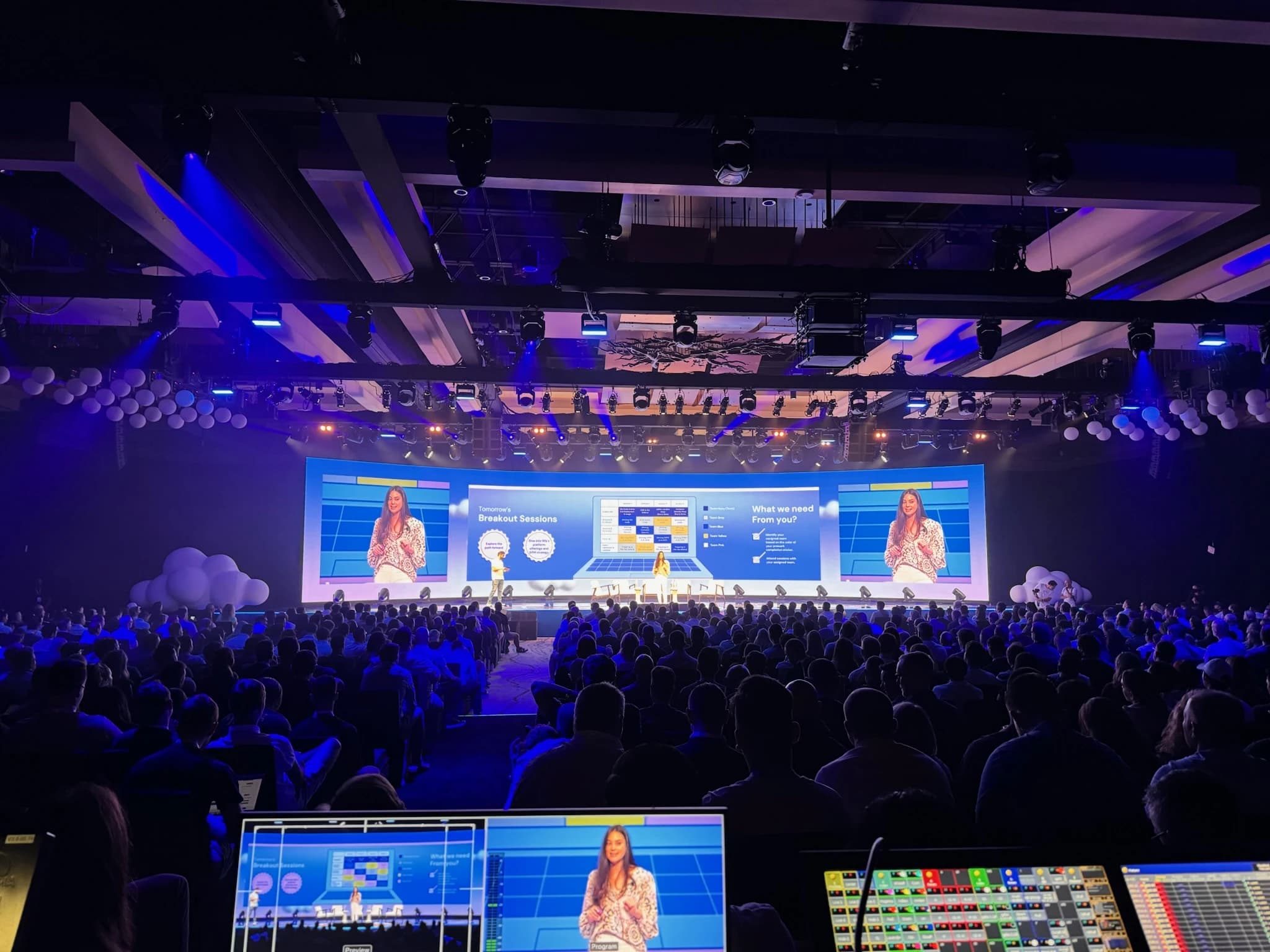
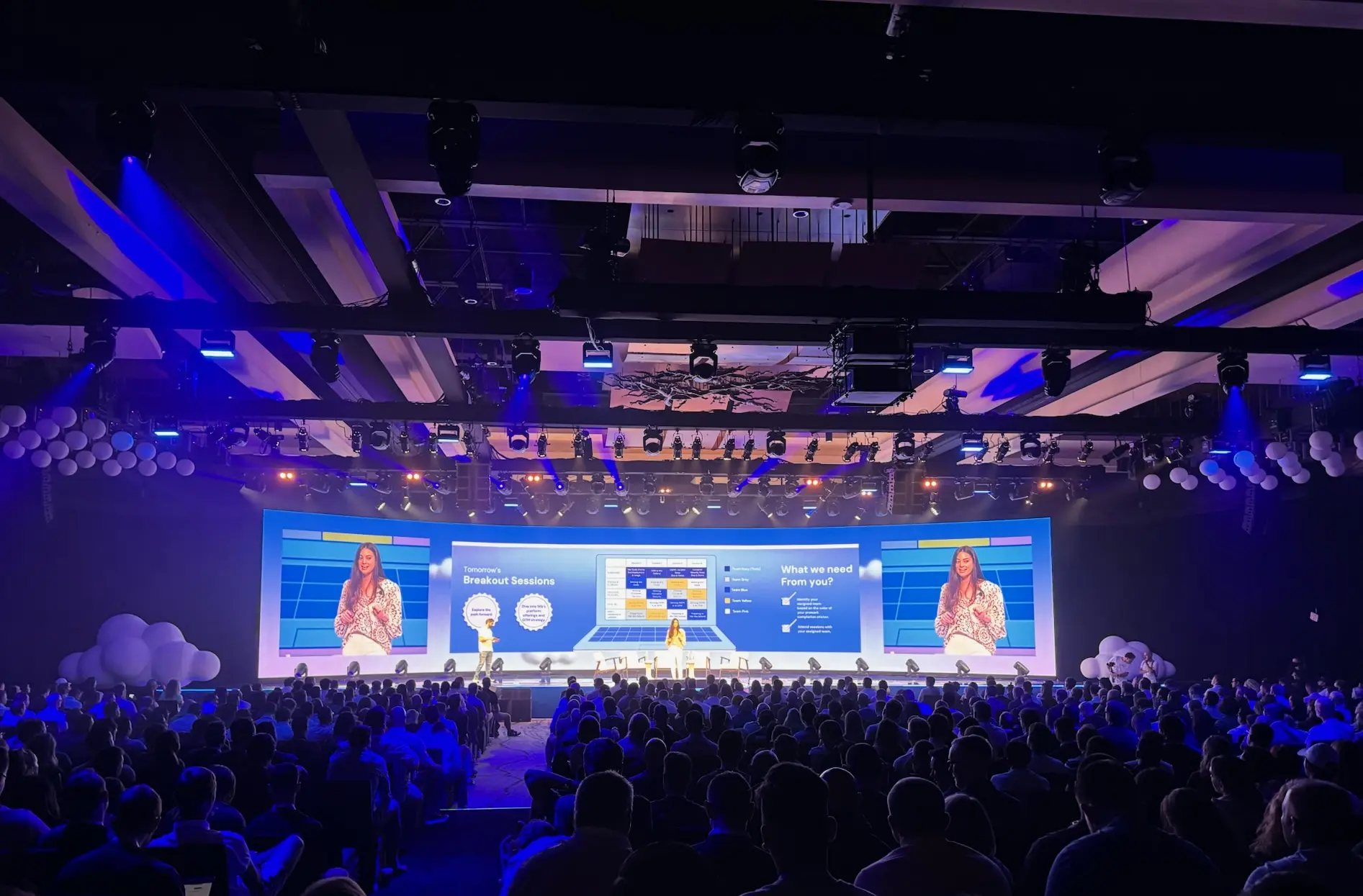
Indoor walls live close to people and close to cameras, which is where most of the specification pressure comes from. Here’s what each decision changes in a Los Angeles ballroom or broadcast room. Everything below is ours, tested in the shop before it ships.
ResolutionFine pitch
Panels at roughly 1.2–2.6mm, where individual LEDs stop being resolvable at normal viewing distance.
Ask for it when: Keynotes, broadcast sets, and any wall the front row or a long lens gets close to.
CameraMoiré
The shimmering interference pattern that appears when a camera sensor and the LED grid fight each other.
Ask for it when: Any filmed wall. It’s solved with the right pitch and camera distance, not fixed in post.
CameraRefresh rate
How fast the panel redraws. Too low and the camera captures horizontal banding across the wall.
Ask for it when: Anything recorded or streamed — including a phone in the audience. Ask for the number, not just “broadcast grade”.
CameraColour calibration
Matching the wall’s output to the rest of the camera package so it doesn’t sit blue or green against the room.
Ask for it when: Multi-camera shows. An uncalibrated wall is the reason a cut from stage to screen looks like two different events.
RoomTrim height
How high the wall’s top edge sits, limited by the ceiling and by the rigging above it.
Ask for it when: Early. Low ballroom ceilings cap wall height long before budget does, and it changes the whole content layout.
RiggingPoint load
The weight carried by each individual rigging point, rather than the wall’s total weight.
Ask for it when: Any flown wall. Venues rate points individually, and a wall that’s fine in total can still exceed a single point.
RoomAmbient light
How much house and stage light spills onto the wall, washing out contrast.
Ask for it when: Rooms with big windows or bright general light. It often decides brightness spec more than the panel choice does.
Build qualityFlatness
How precisely cabinets align. Millimetres of misalignment read as visible lines under close viewing.
Ask for it when: Fine-pitch walls especially. The closer the audience, the more a build-quality shortcut shows.
ServiceabilityFront service access
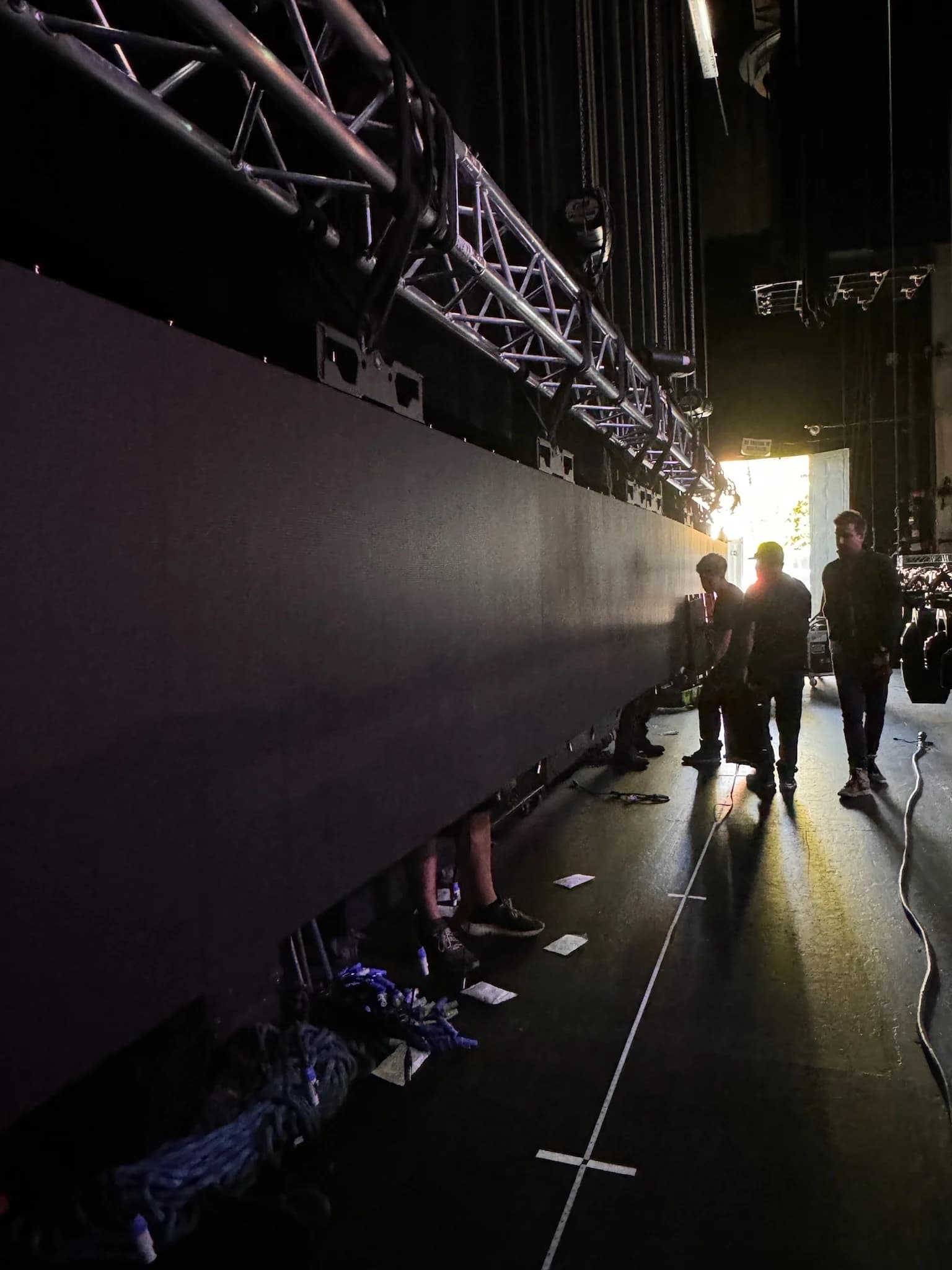
Panels that can be maintained from the front, with no space needed behind the wall.
Ask for it when: Walls flat against a back wall or in a tight room, where there’s simply no room to get behind.
ContentCanvas mapping
Matching your content’s pixel dimensions to the wall’s actual resolution, one to one.
Ask for it when: Always. Native-resolution content is the cheapest possible upgrade to how a wall looks.
StructureFloor loading
The weight a ground-stacked wall puts on the floor, concentrated under its feet.
Ask for it when: Upper floors, raised floors, and historic buildings — where the venue will ask, and should.