Know what you’re asking for
A touring-grade audio bid has a lot of line items, and most of them are the difference between "loud" and "good". Here’s what each part does on a Los Angeles show, so you can read a quote properly. Everything below is our own, tuned in your room by an engineer who stays on the mix.
Main systemLine array & splay
Stacked speaker elements angled progressively so coverage reaches the back without cooking the front.
Ask for it when: Any real concert. The splay angles are designed to the room, which is why a system can’t just be dropped in.
Low endCardioid sub array
Subwoofers arranged so bass projects forward into the audience and cancels behind the stage.
Ask for it when: When the stage or the neighbours need less low end — noise-limited sites, and any stage with open mics.
PerformerMonitor world
A separate console and engineer dedicated to what the performers hear.
Ask for it when: Multi-piece bands. One engineer trying to run both mixes means one of them is being neglected.
PerformerWedges vs. IEM
Floor speakers pointed at performers, or wireless in-ear feeds per person.
Ask for it when: Wedges for guest artists who expect them; IEM for a quieter stage and a cleaner audience mix. Many riders specify one.
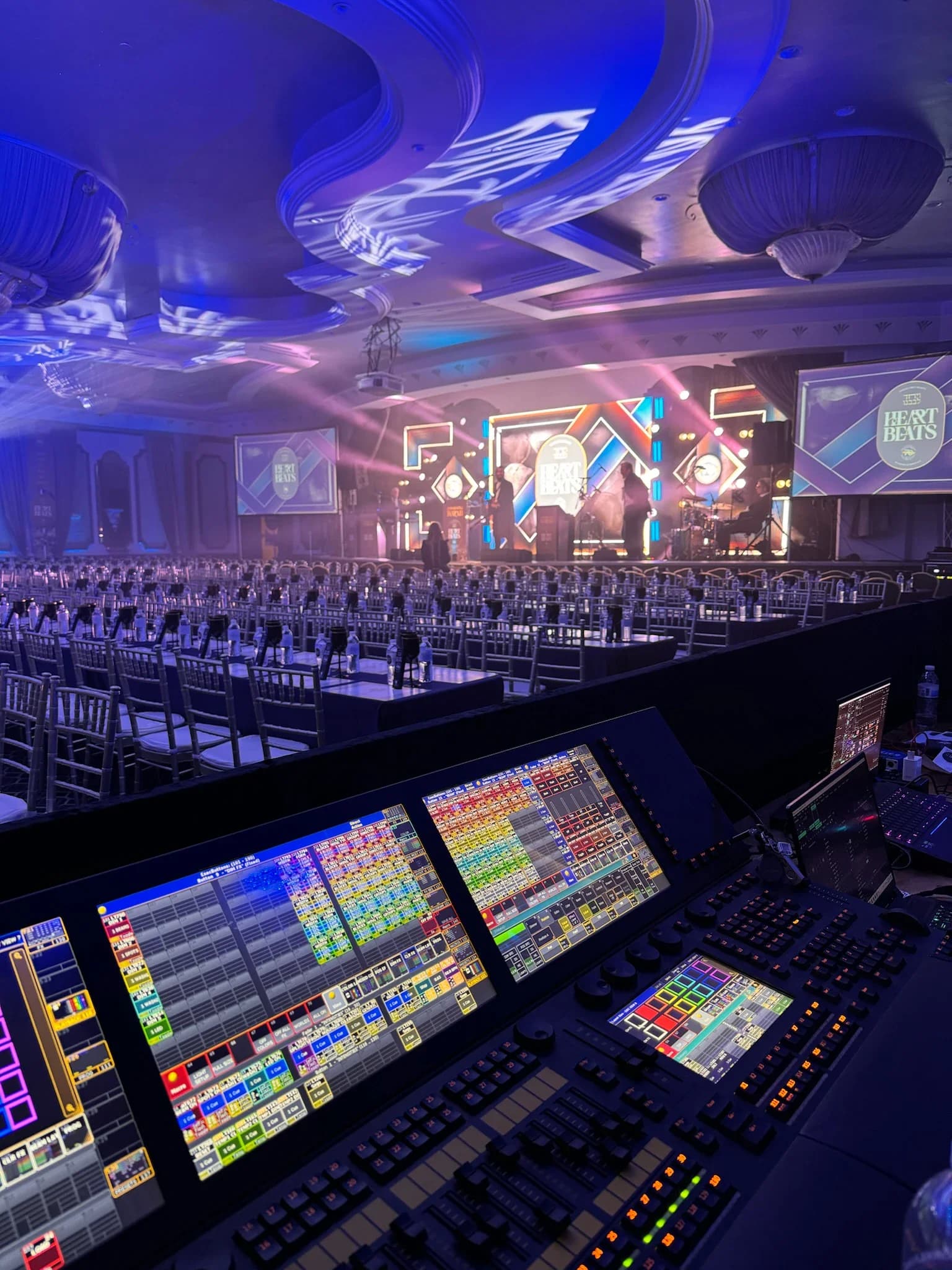
ControlFOH console
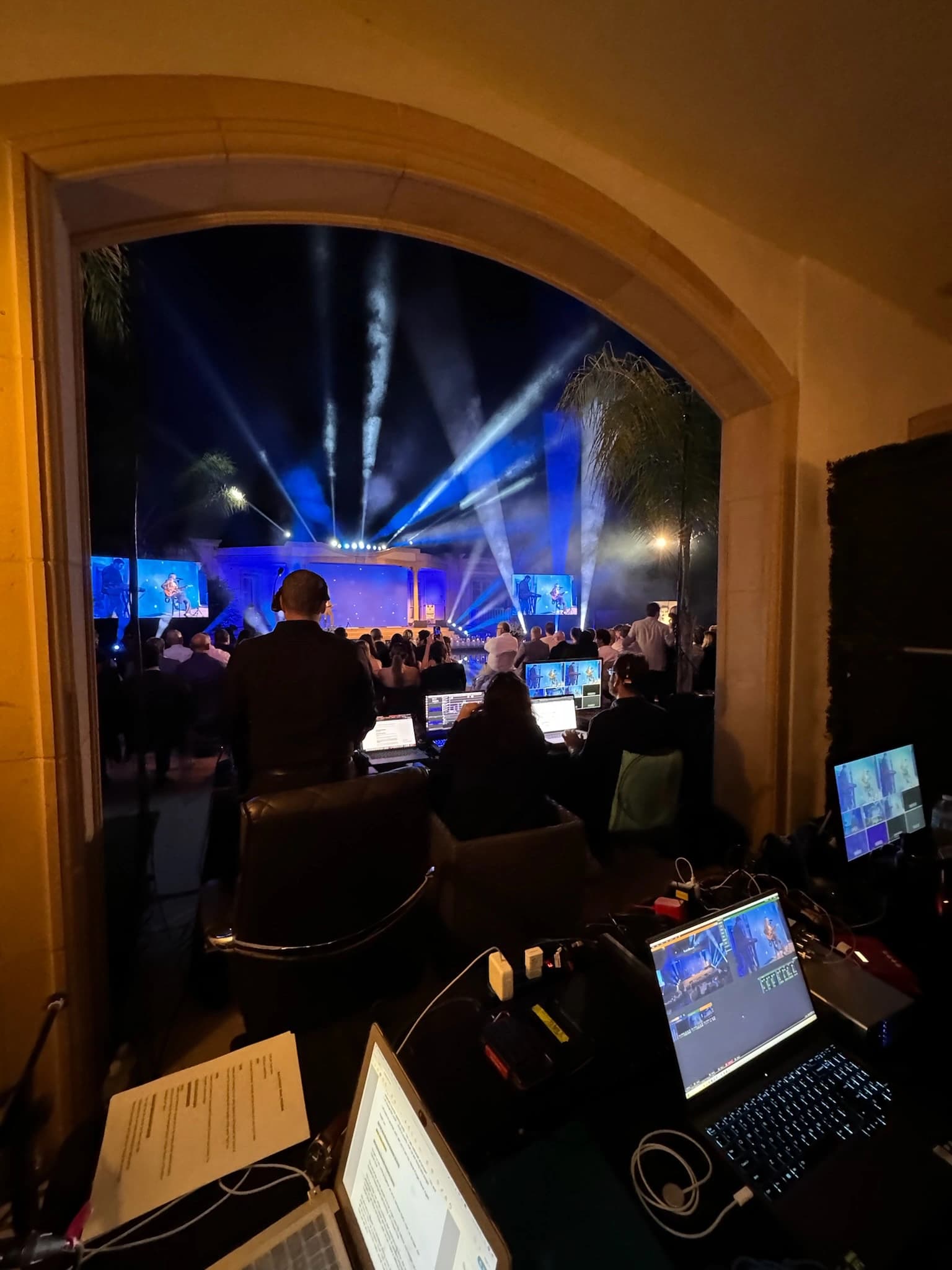
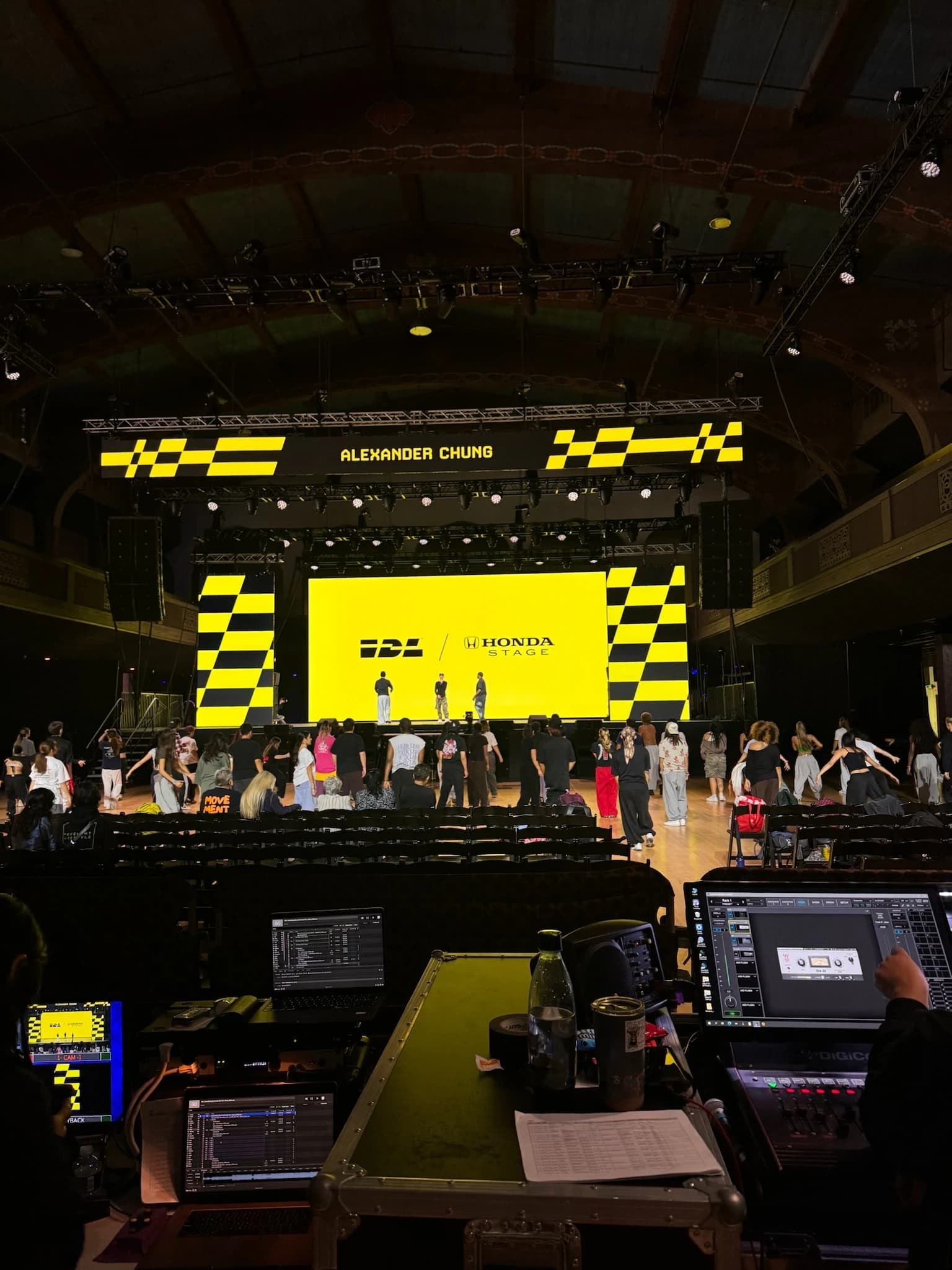
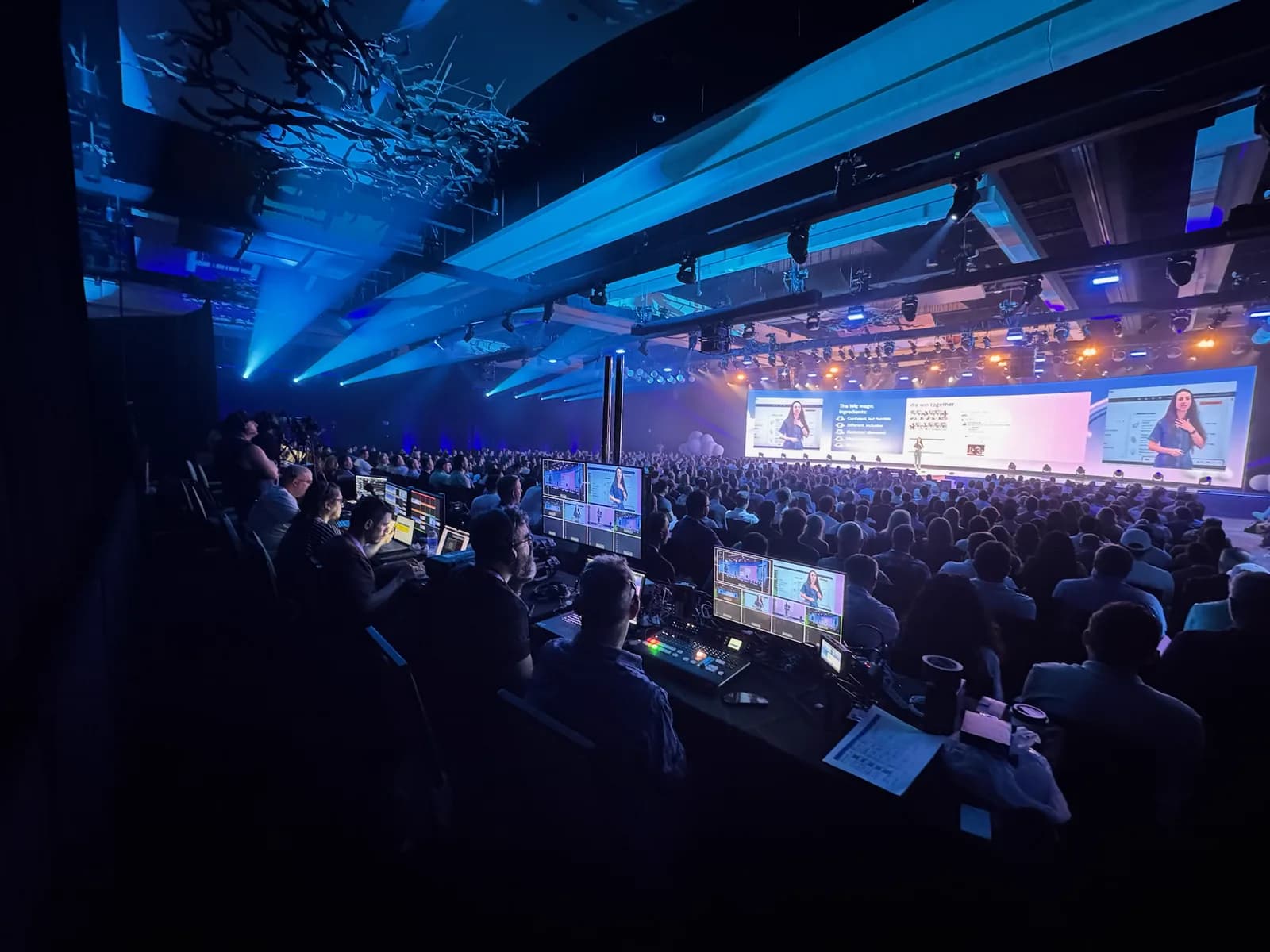
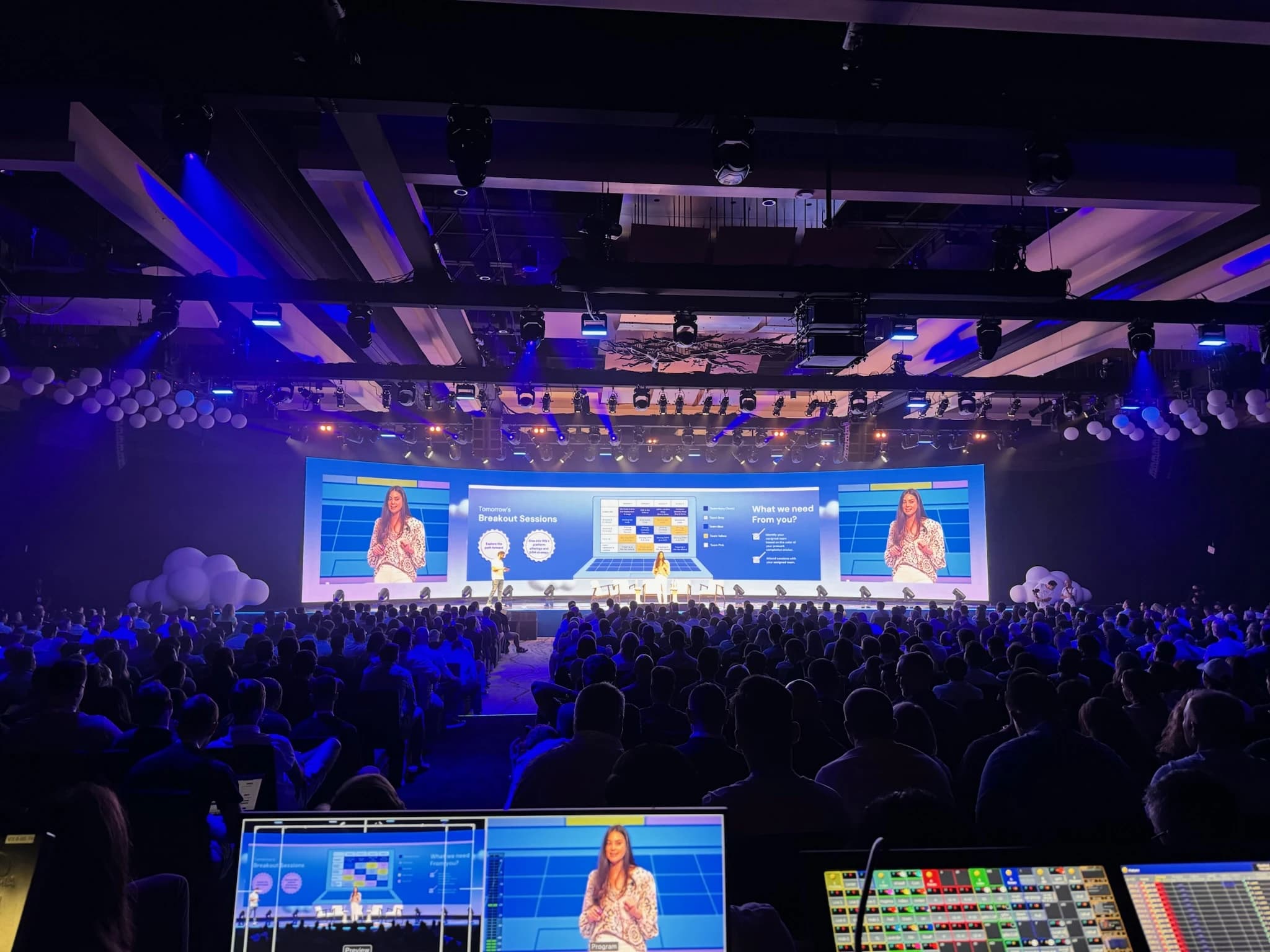
The front-of-house desk where the audience mix is built, positioned out in the room.
Ask for it when: Every show. Ask where FOH will be — a mix made from the wings is a guess.
SignalDigital stage box
A rack on stage carrying every input back to the consoles over one cable instead of a heavy multicore.
Ask for it when: Standard now. It shortens load-in and reduces the number of things that can go wrong in a cable run.
PrepInput list & patch
The document listing every source, its mic, and where it lands on the desk.
Ask for it when: Before the show, always. A band arriving without one is the single most common cause of a blown soundcheck.
MicrophoneBackline mic pack
The dedicated mics for drums, guitar cabs, bass, and acoustic instruments.
Ask for it when: Any live band. Instrument mics are specific — a vocal mic on a kick drum is a compromise you can hear.
TuningSystem tech & measurement
An engineer measuring the system in the actual room and time-aligning it before soundcheck.
Ask for it when: Every deployment. It’s the step that makes an ordinary system sound good and a good system sound expensive.
TuningRing-out
Systematically finding and notching the frequencies that would otherwise feed back.
Ask for it when: Before every show with open mics. Feedback isn’t bad luck; it’s a step someone skipped.
InfrastructureAmp racks & processing
The amplification and digital processing driving the speakers, with the system’s tuning stored in it.
Ask for it when: Part of any system. Worth confirming it’s matched to the boxes rather than assembled from whatever was free.