Know what you’re asking for
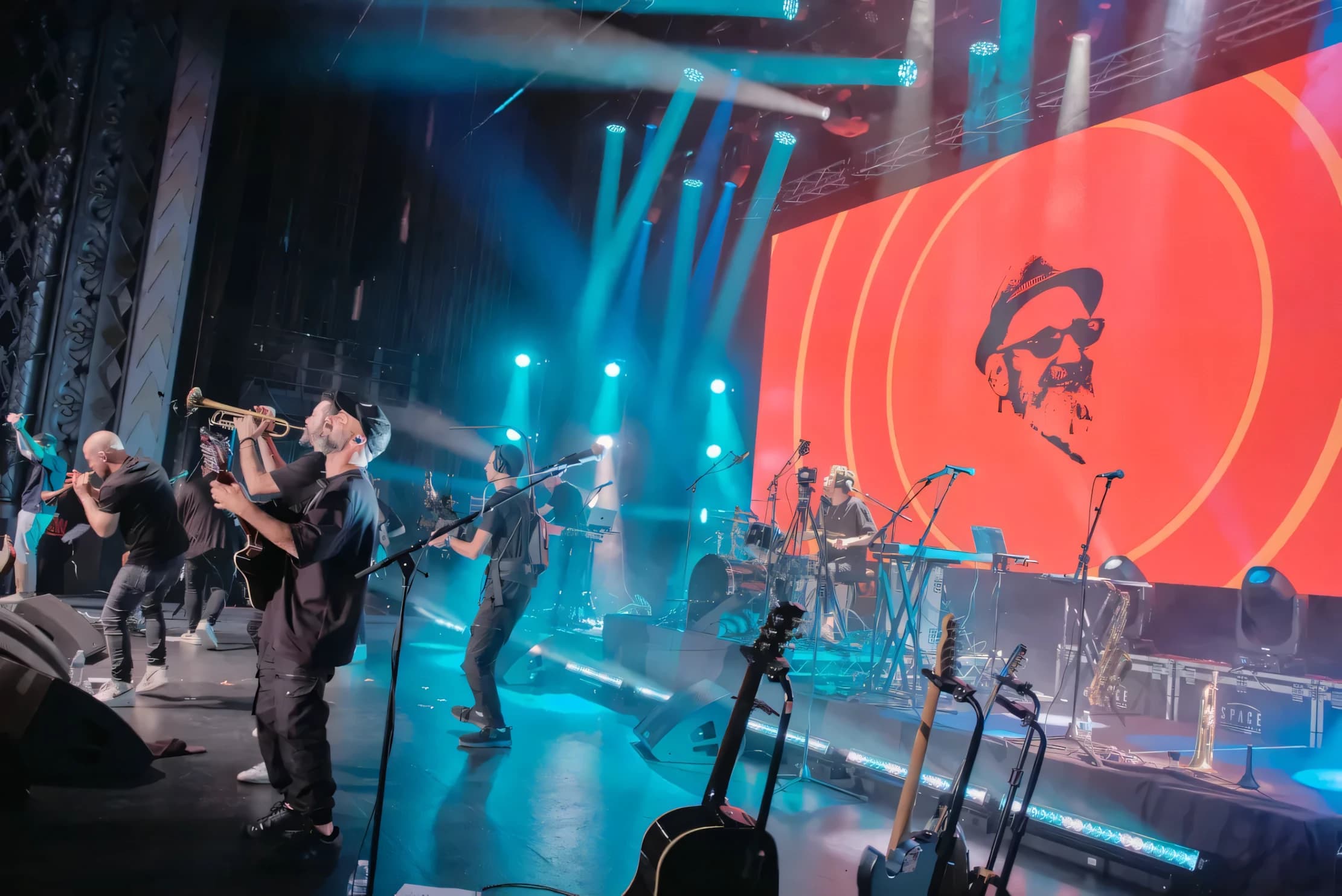
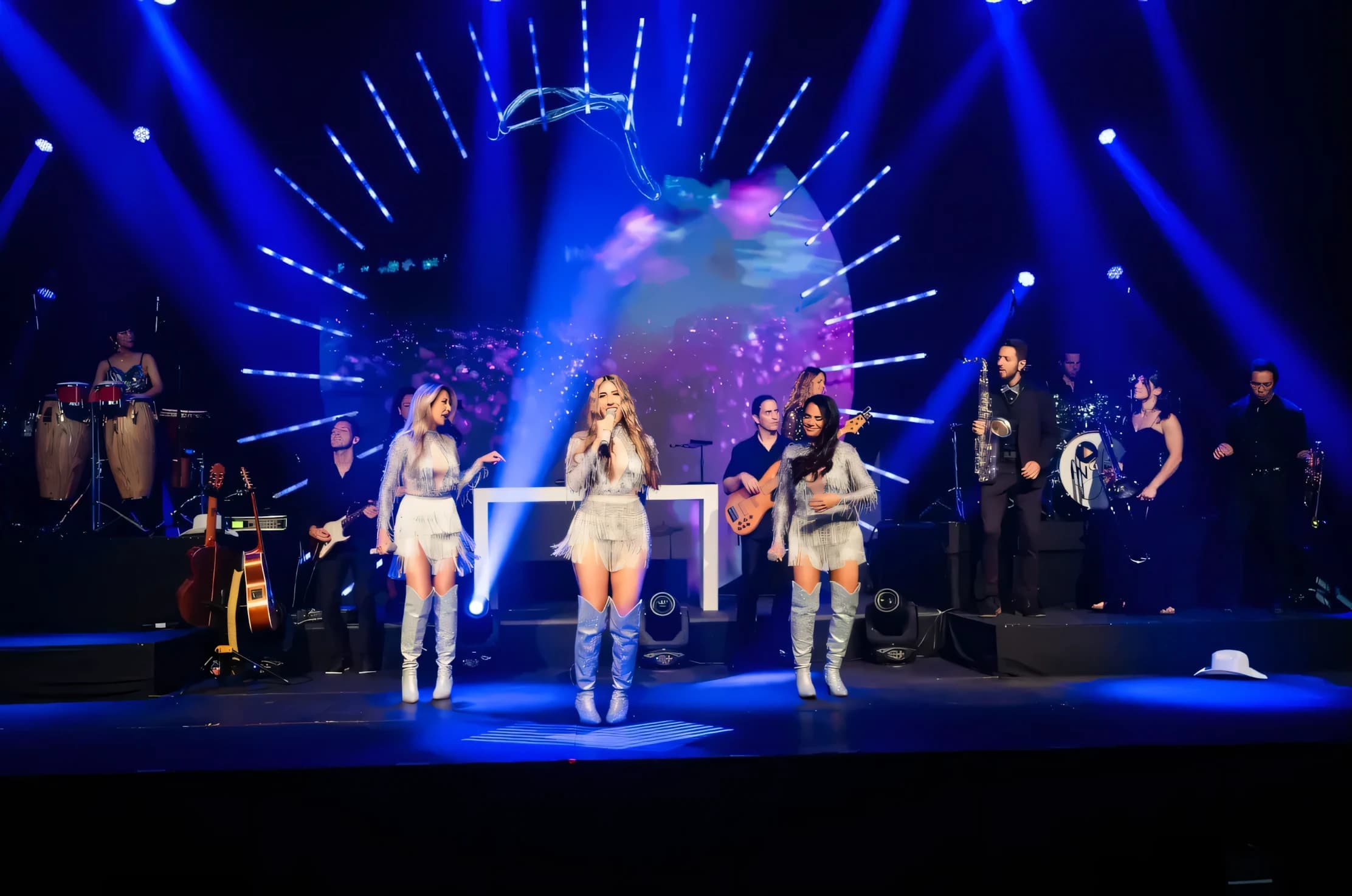
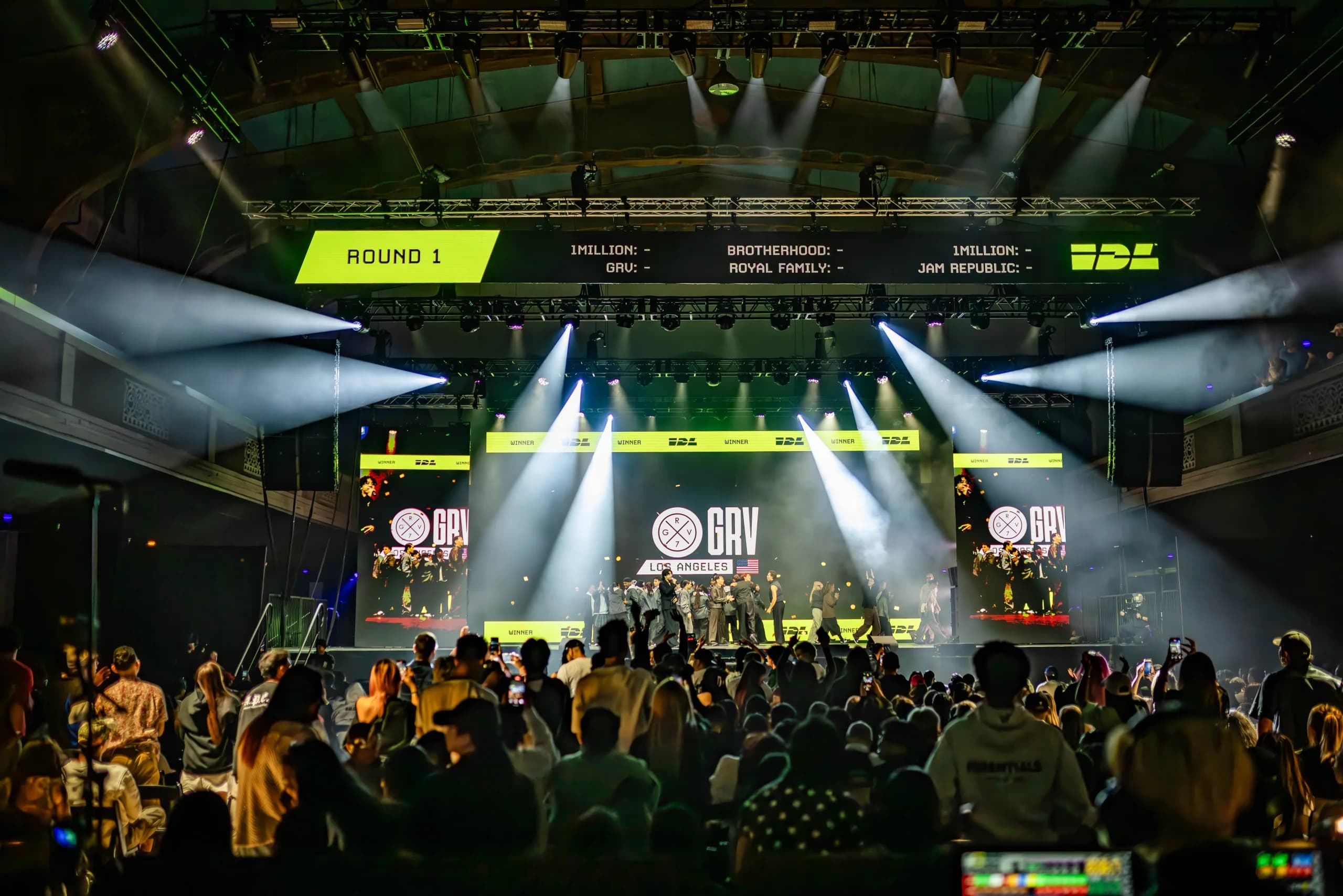
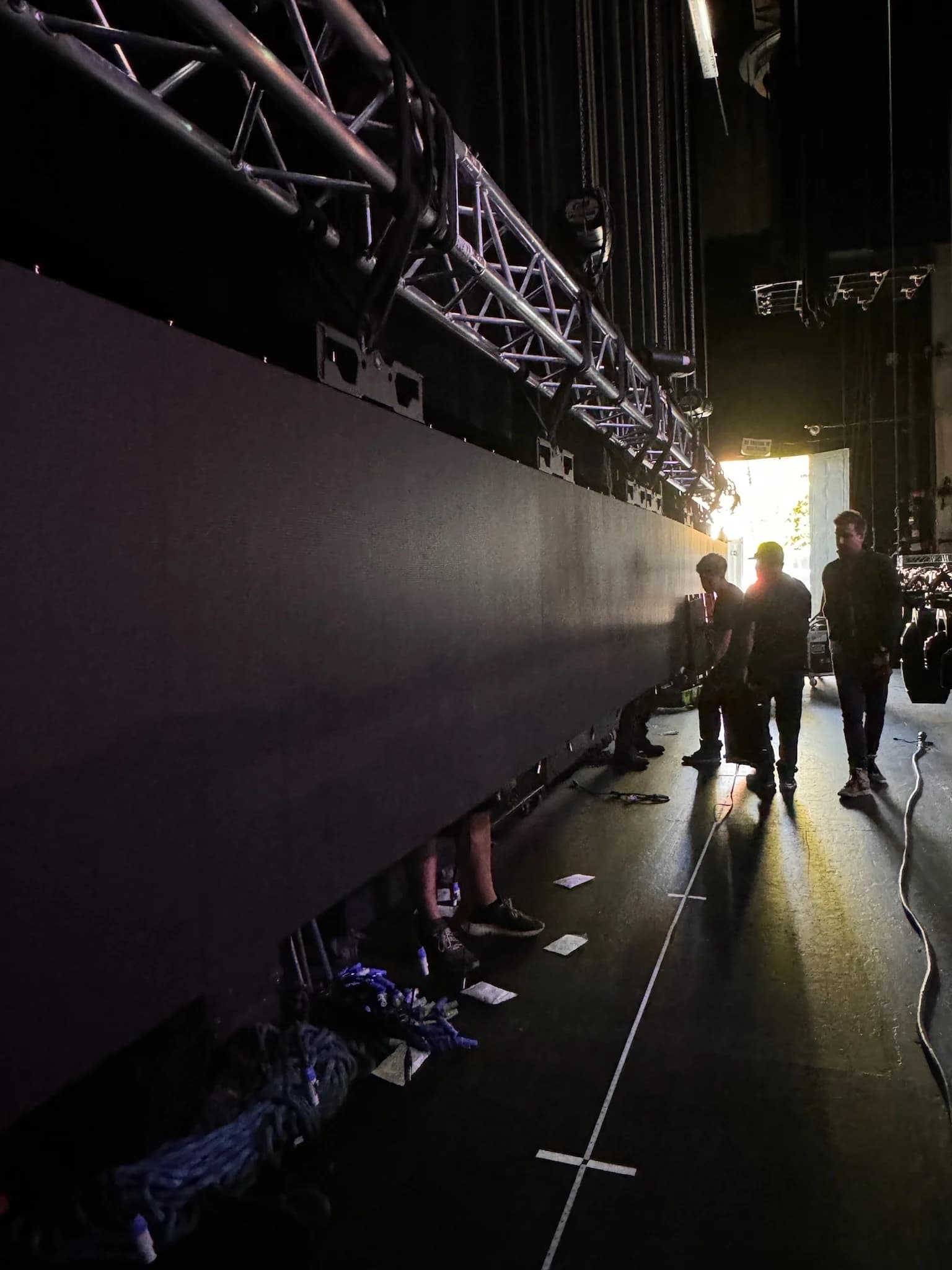
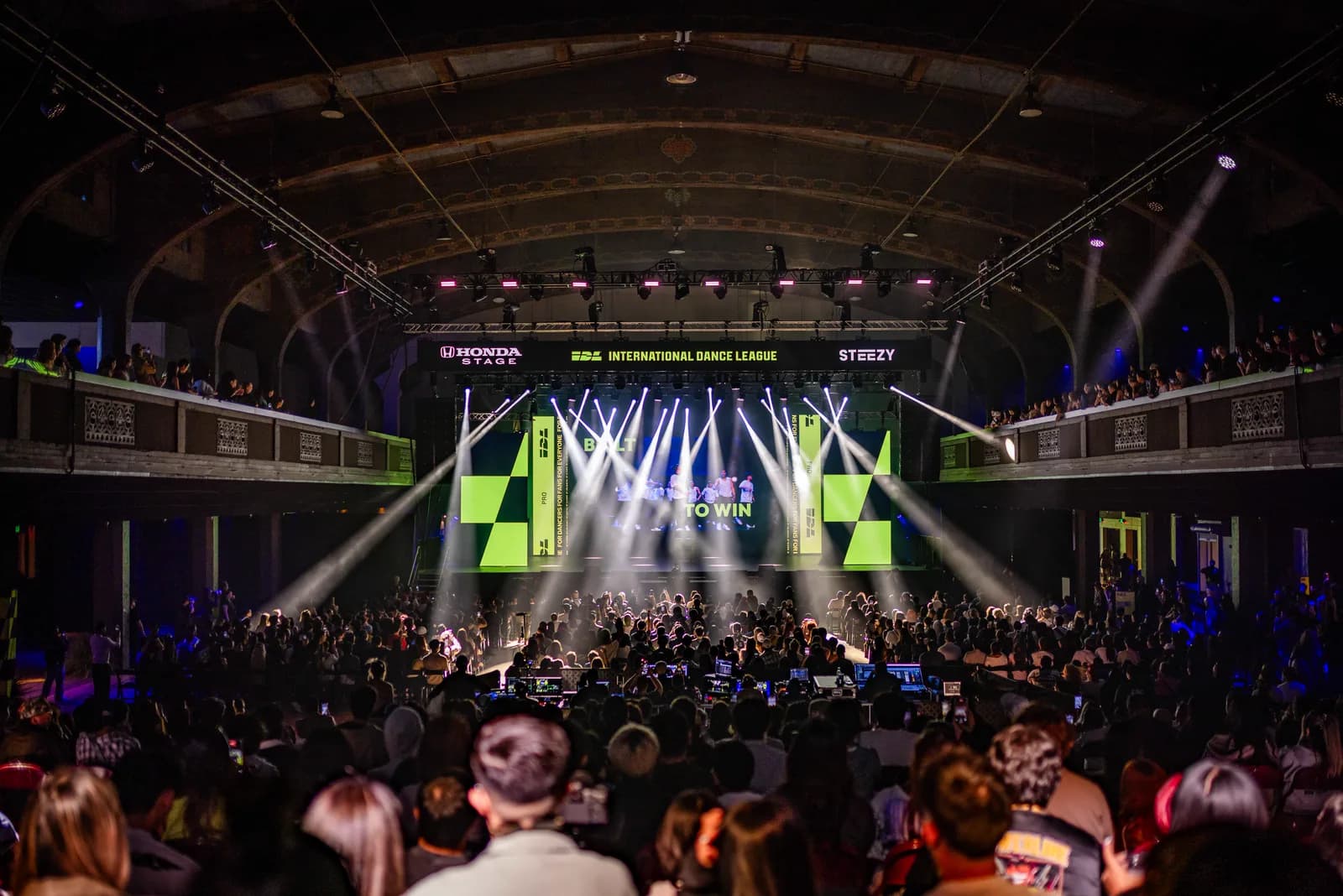
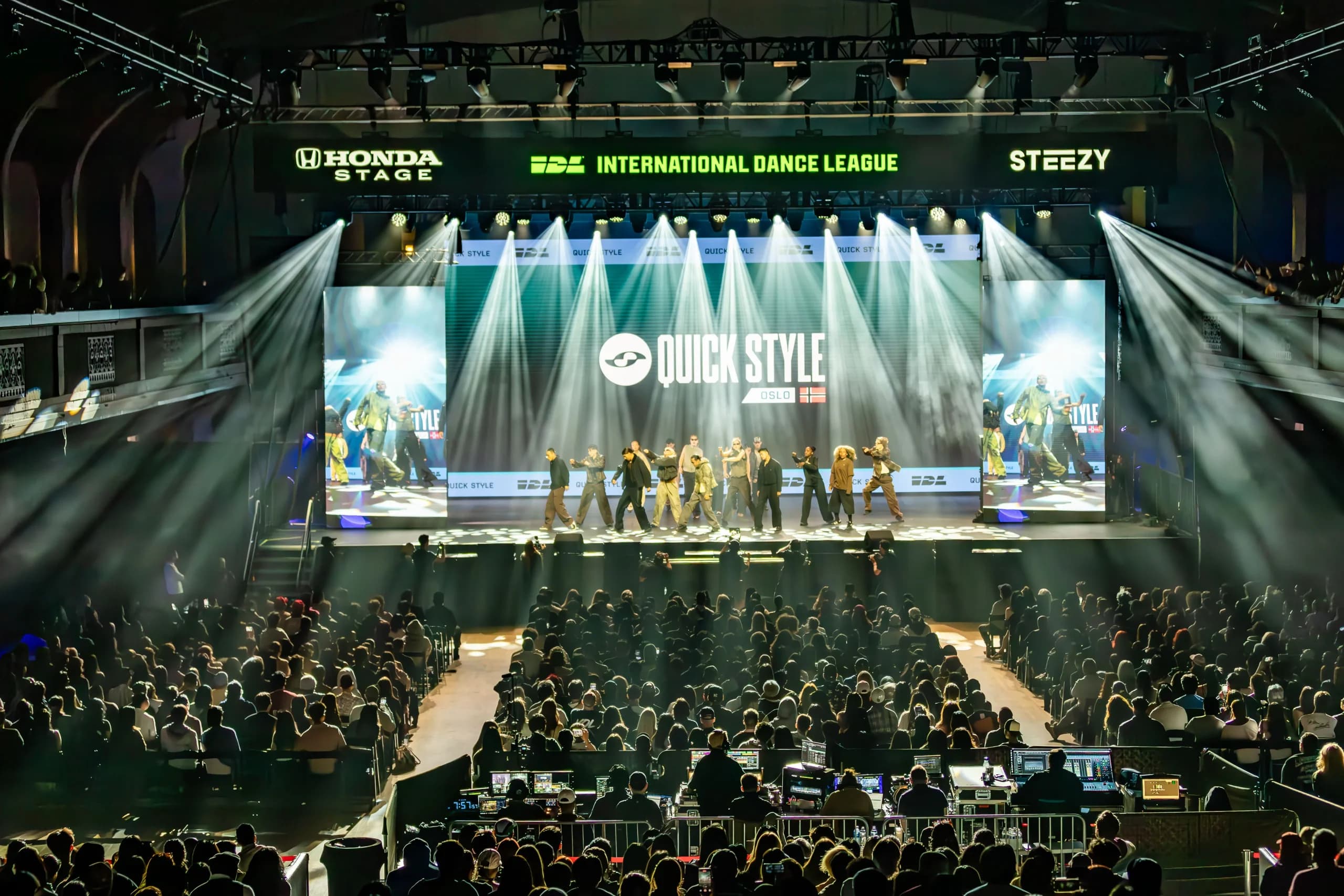
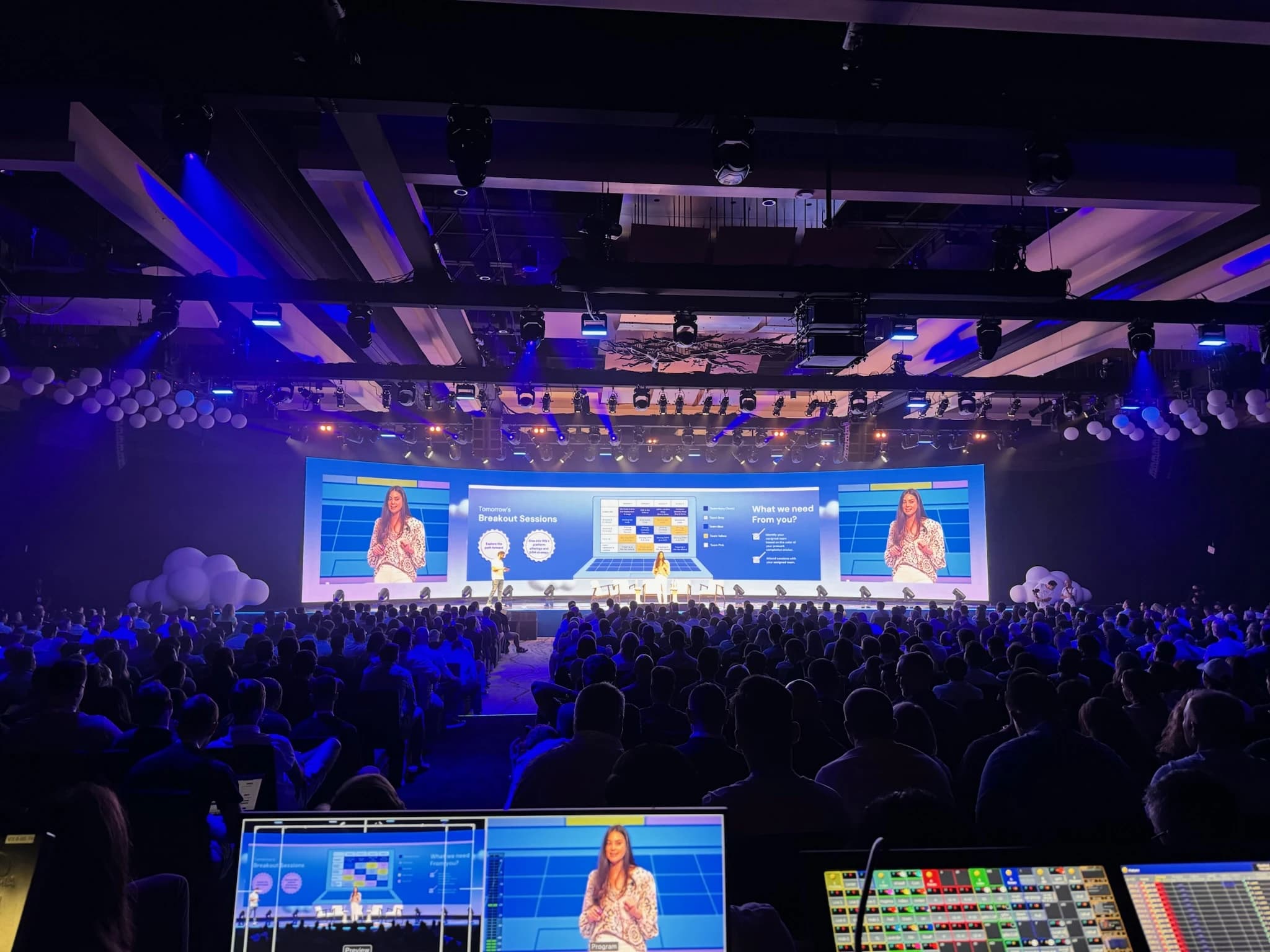
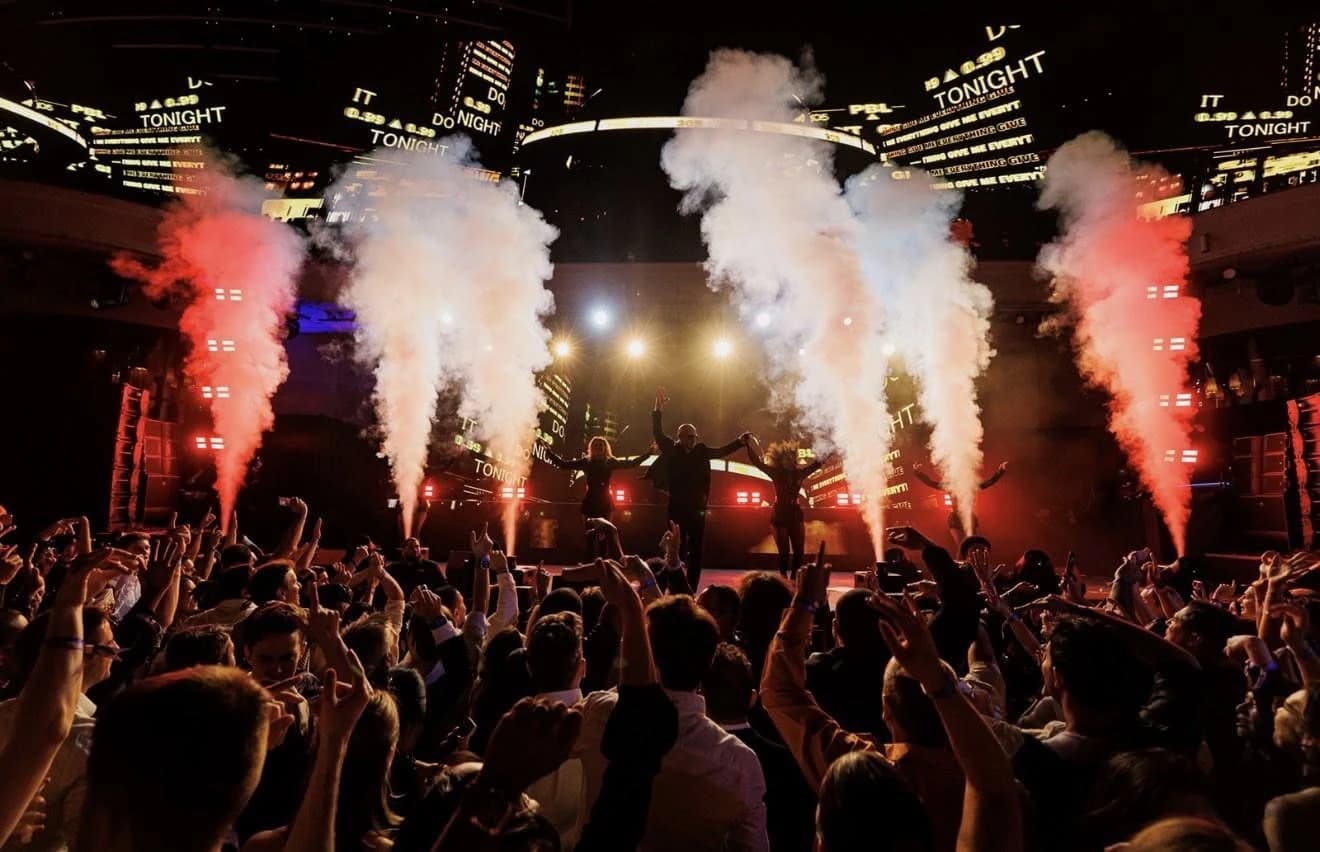
At festival and arena scale the constraints stop being about the panels and start being about structure, power, and time. Here’s what a large Los Angeles build actually involves. Everything below is ours, engineered and signed off before a single cabinet goes up.
ScaleSpan
The unsupported width a structure has to carry, and the point at which extra towers become necessary.
Ask for it when: The first structural question on any wide wall. It sets the tower count, which sets the footprint and the crew.
StructureGoalpost
Two towers with a header truss spanning between them, the standard way to hold a large wall outdoors.
Ask for it when: Festival mains and any large wall with nothing overhead. The footprint is significant, so it’s planned into the site early.
SafetyPoint load
The weight landing on each individual anchor or tower foot, rather than the wall’s total weight.
Ask for it when: Every large build. Venues and engineers rate points individually, and this is what the sign-off is based on.
SafetyEngineering sign-off
Stamped calculations for the structure, submitted to the venue or authority before build.
Ask for it when: Effectively all giant builds. It takes real time, so it belongs in the schedule rather than being chased late.
ResolutionPitch at distance
How coarse a pitch you can use given that the nearest viewer is far away.
Ask for it when: Large walls. Fine pitch at festival scale is money spent on resolution nobody is close enough to see.
PowerPower draw
The total load a large wall pulls at full brightness, which is substantially more than at average content levels.
Ask for it when: Always sized for peak, not average. Under-speced distro is the most common cause of a large wall browning out.
SignalProcessing at scale
Multiple processors splitting a canvas too large for one, kept in sync and mirrored on backups.
Ask for it when: Any wall past a single processor’s pixel capacity. Ask how the split is handled and what happens if one path drops.
FormatSide wings
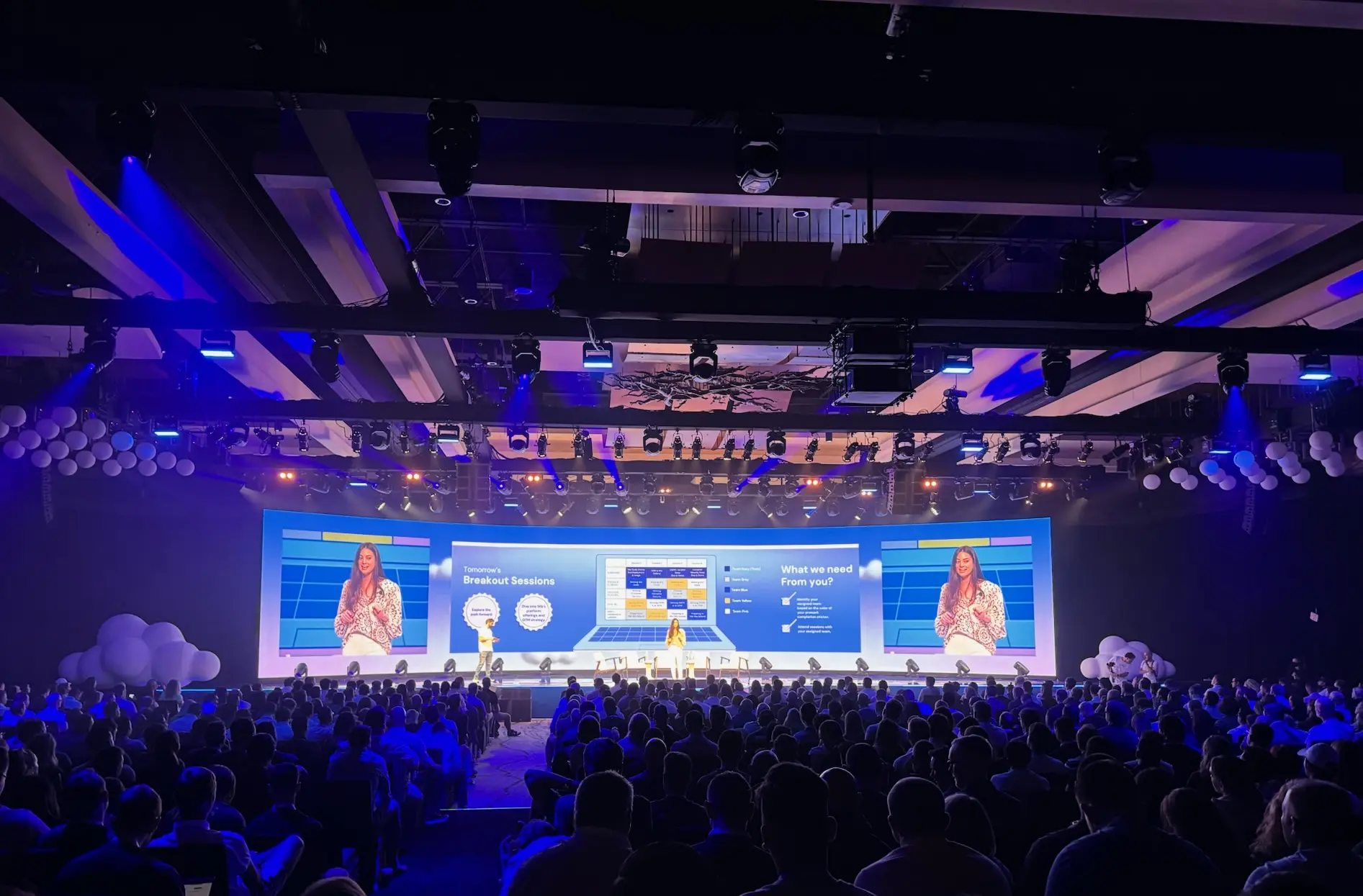
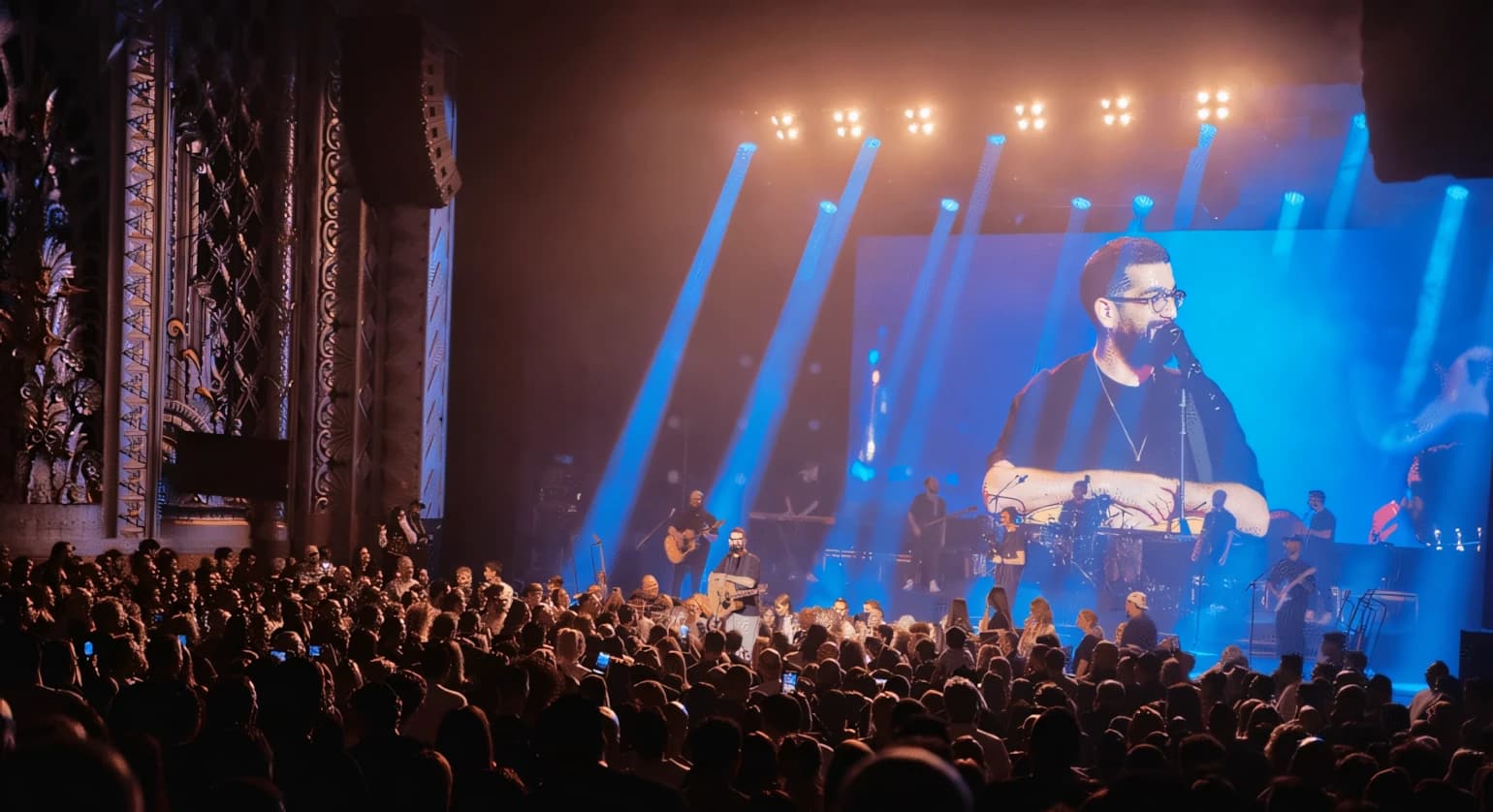
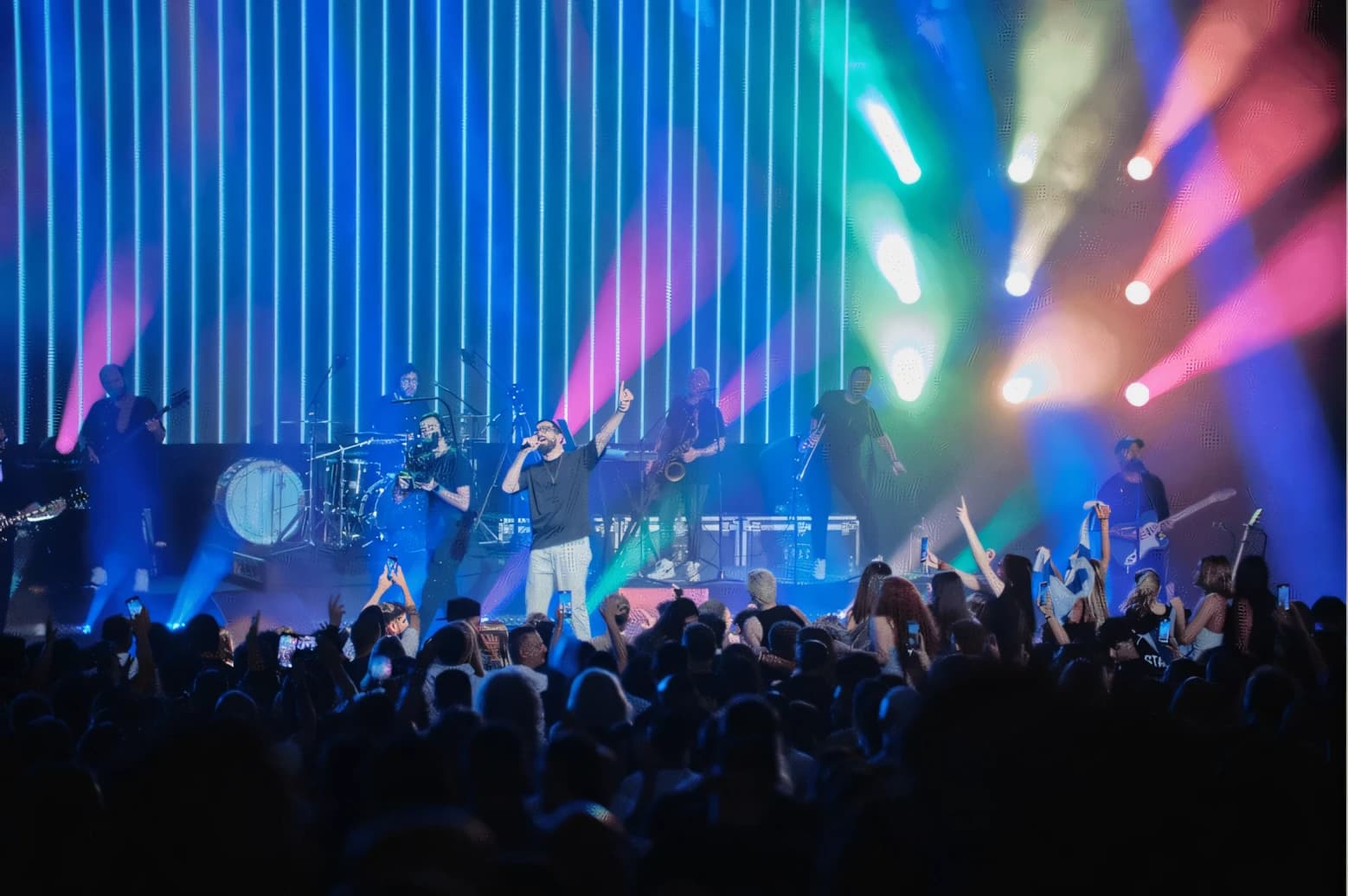
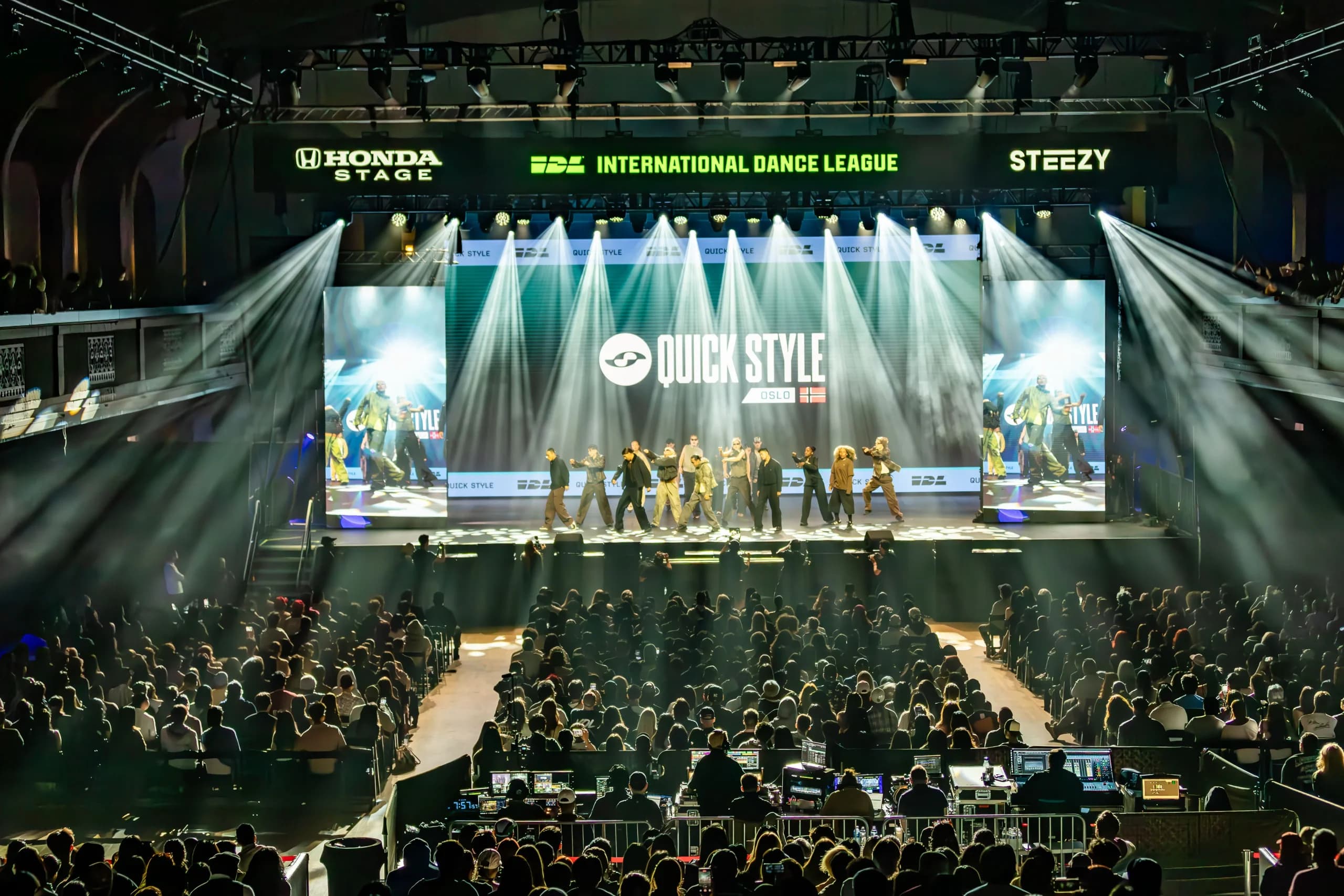
High-brightness IMAG walls flanking the stage, feeding the crowd too far back for the main screen.
Ask for it when: Deep festival fields and arenas. The main wall is a backdrop; the wings are what the back half actually watches.
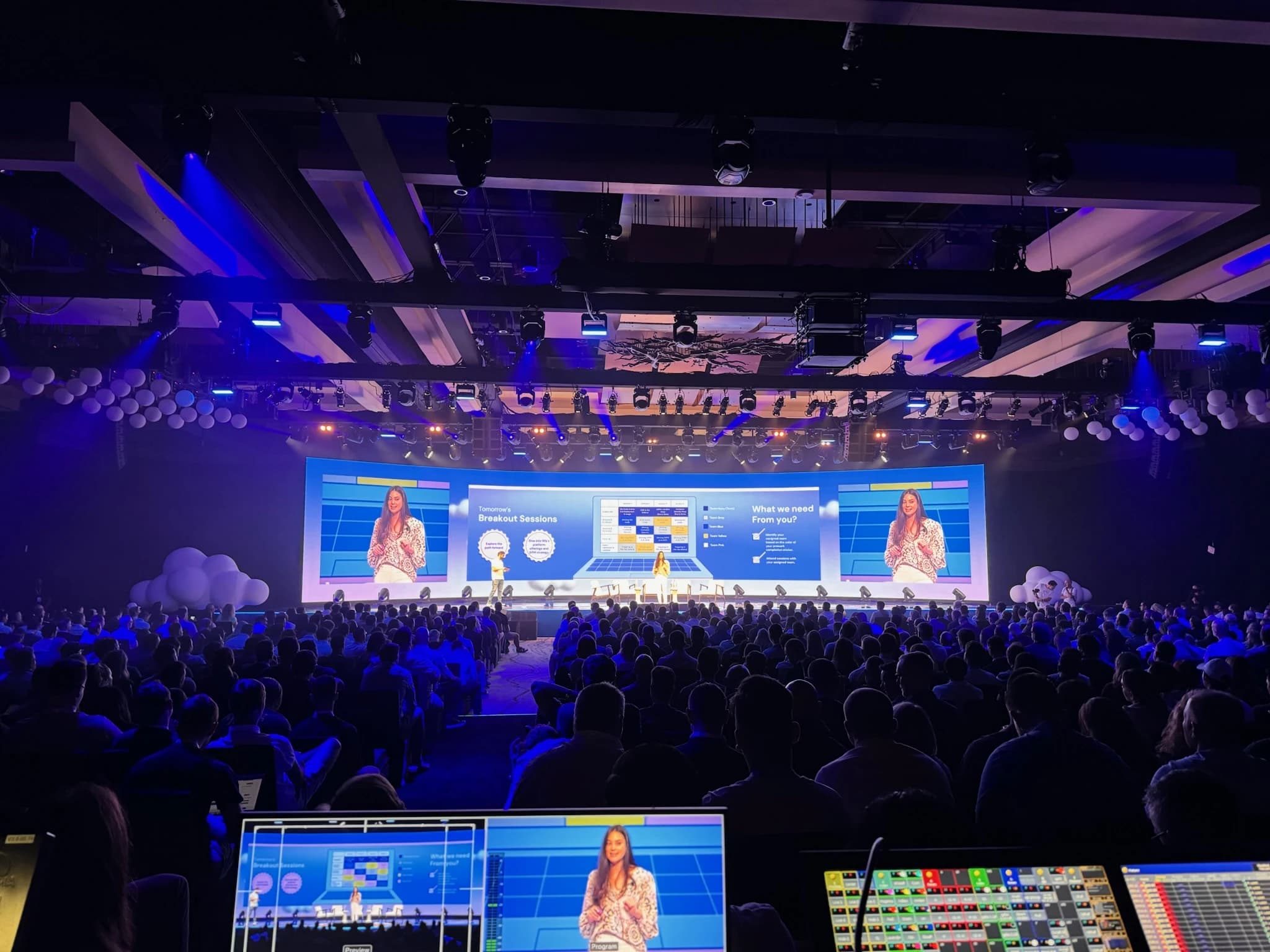
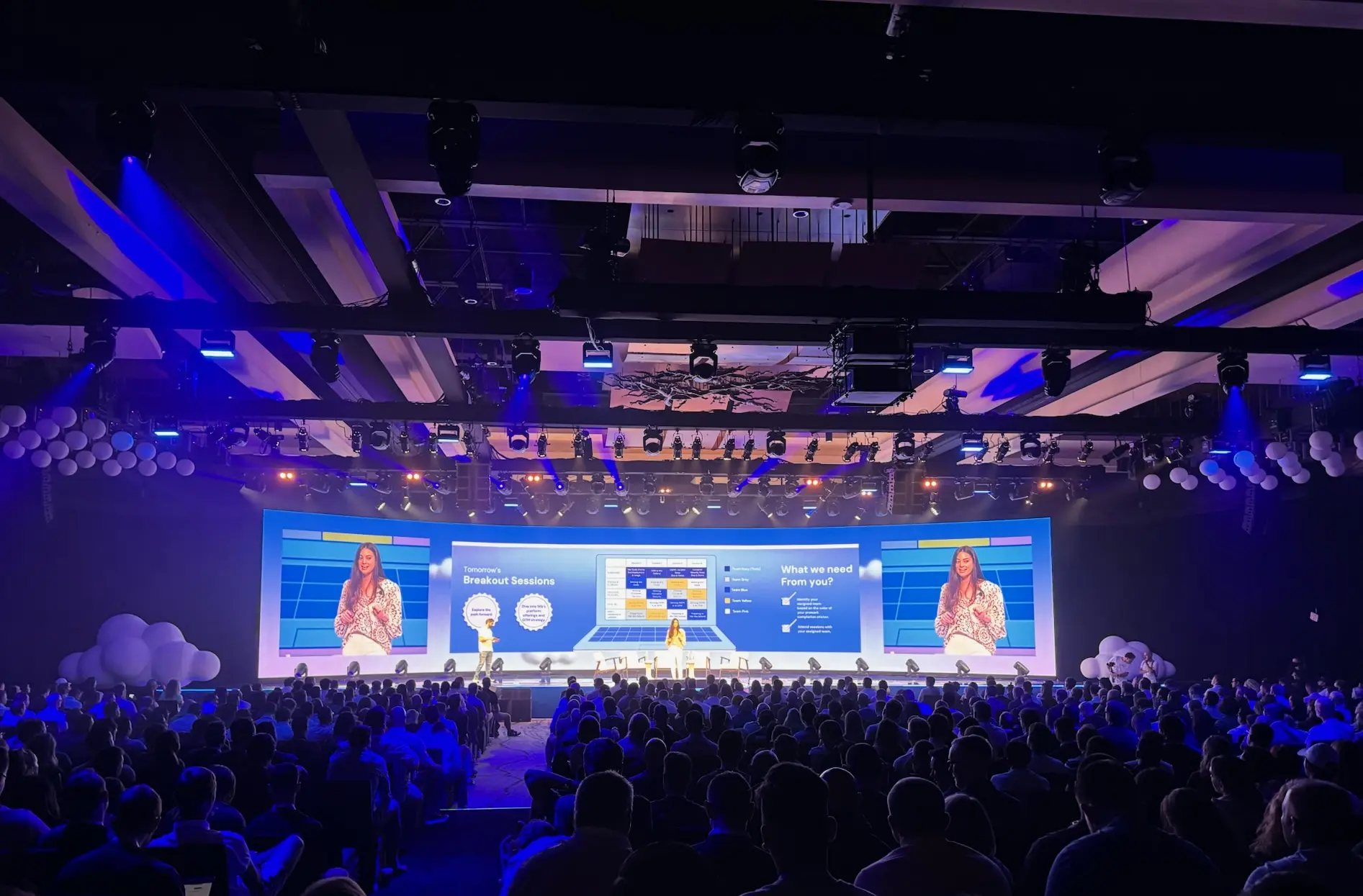
ContentWide-aspect canvas
Content built for extreme aspect ratios — far wider than the 16:9 most assets are made in.
Ask for it when: Early, with whoever makes your content. A 16:9 clip on a 40-foot-wide wall either pillarboxes or crops badly.
ScheduleBuild time
The hours a large wall genuinely takes to rig, cable, and commission, with the crew that size needs.
Ask for it when: When the load-in schedule is being written. Large walls are not fast, and compressing them is where safety gets traded away.
SafetyWind action plan
Agreed thresholds for reducing or lowering an outdoor wall, and a named person who calls it.
Ask for it when: Every outdoor giant build. A large wall is a large sail, and this conversation happens before doors, not during weather.