Know what you’re asking for
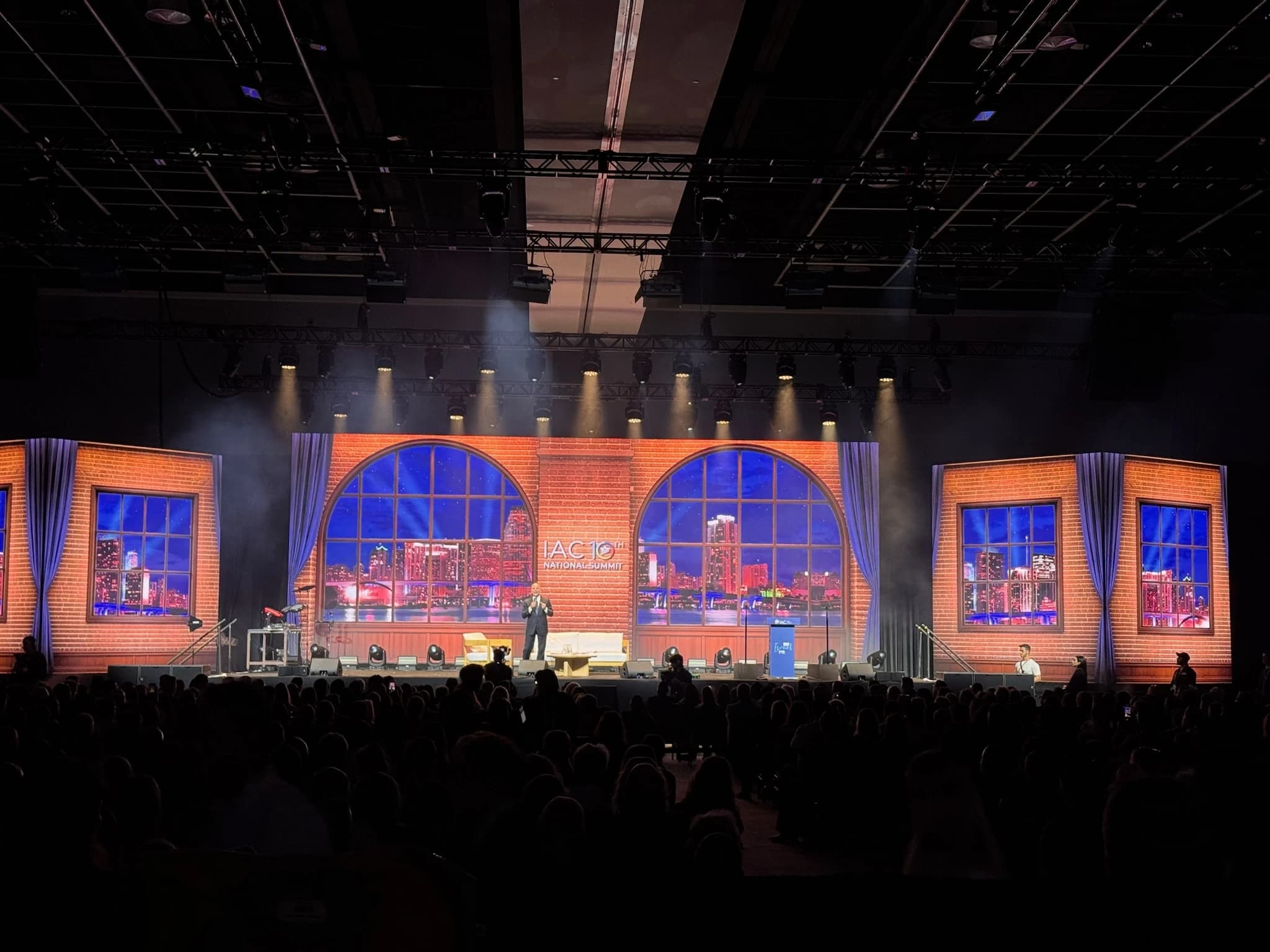
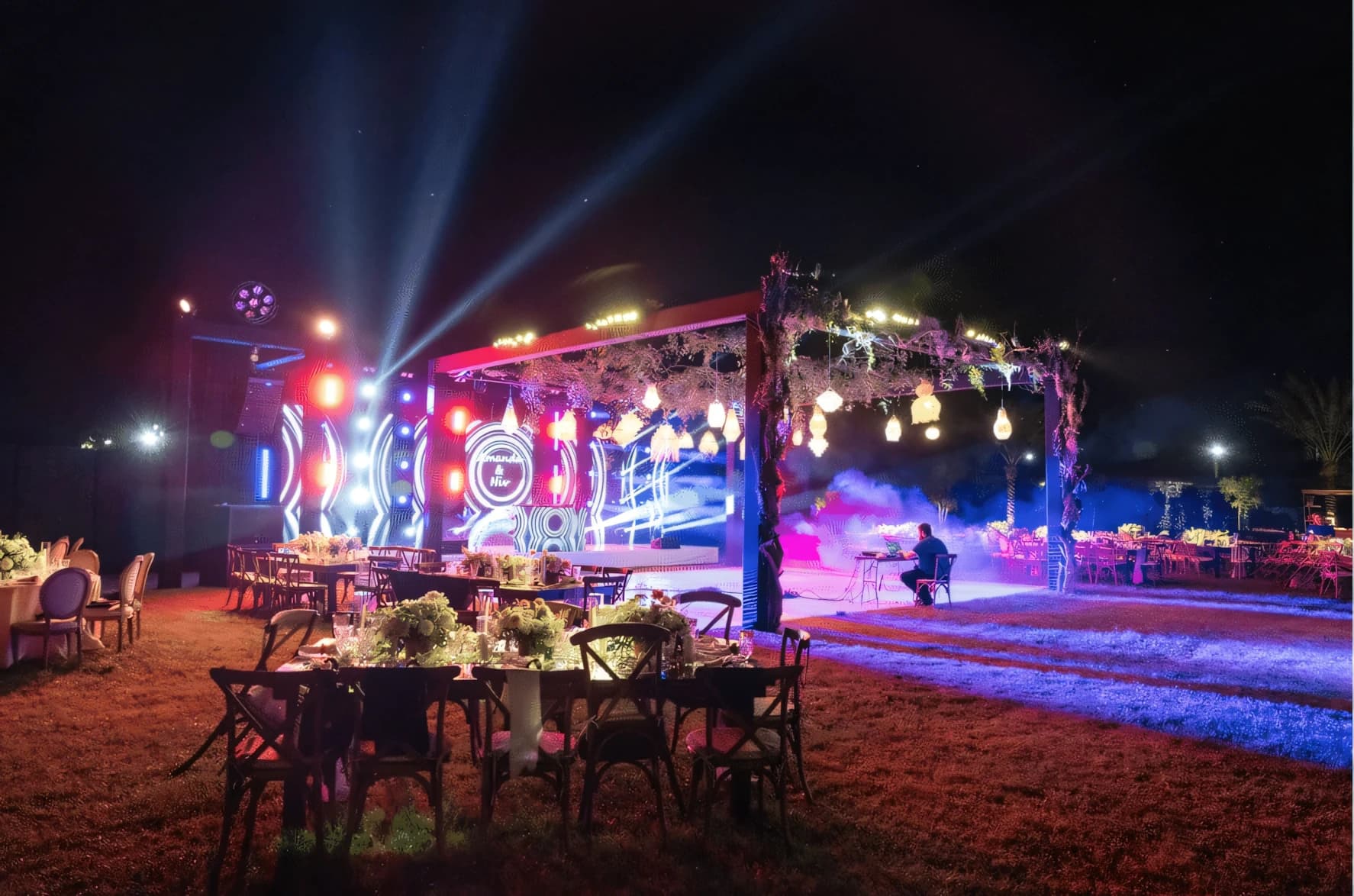
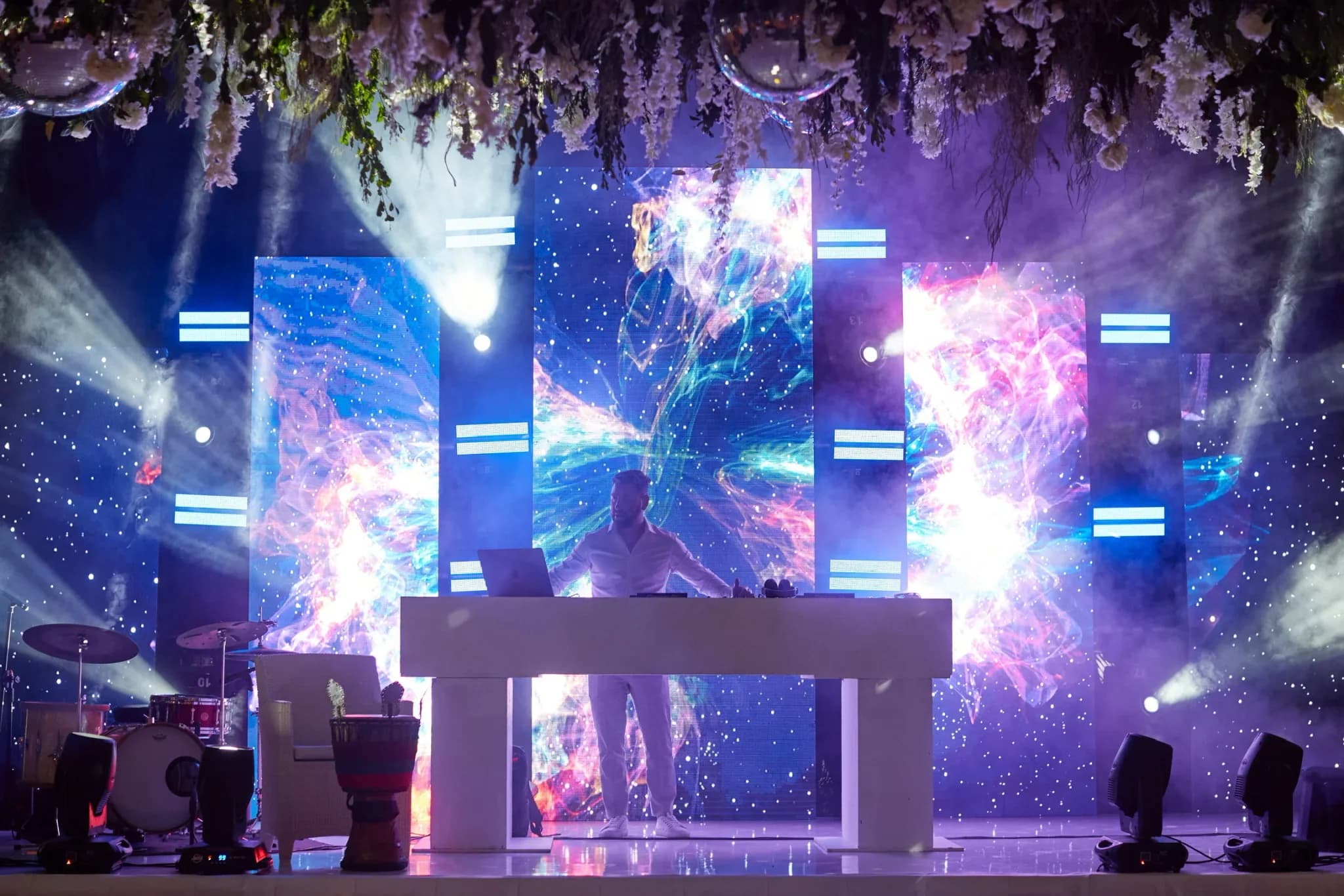
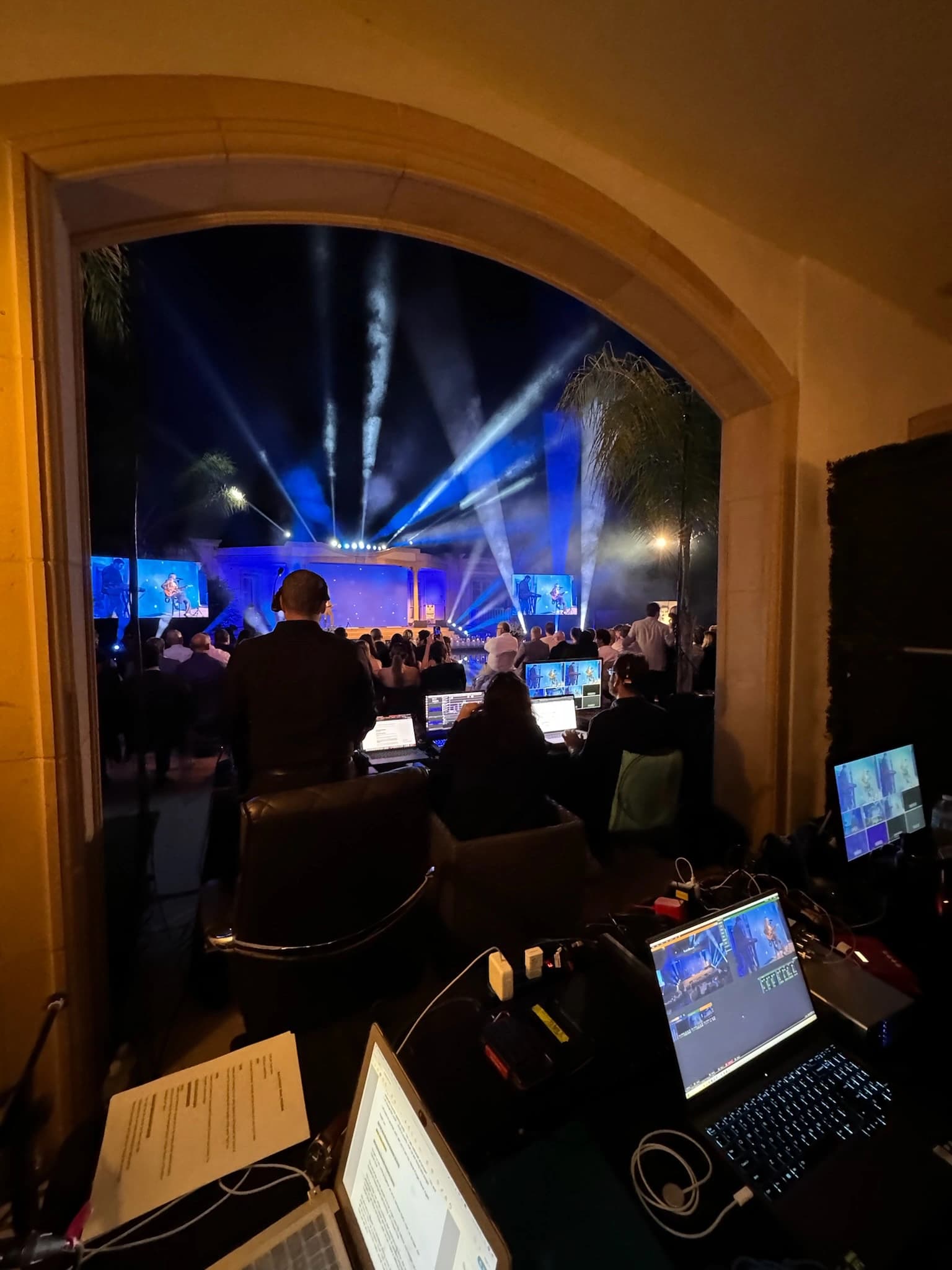
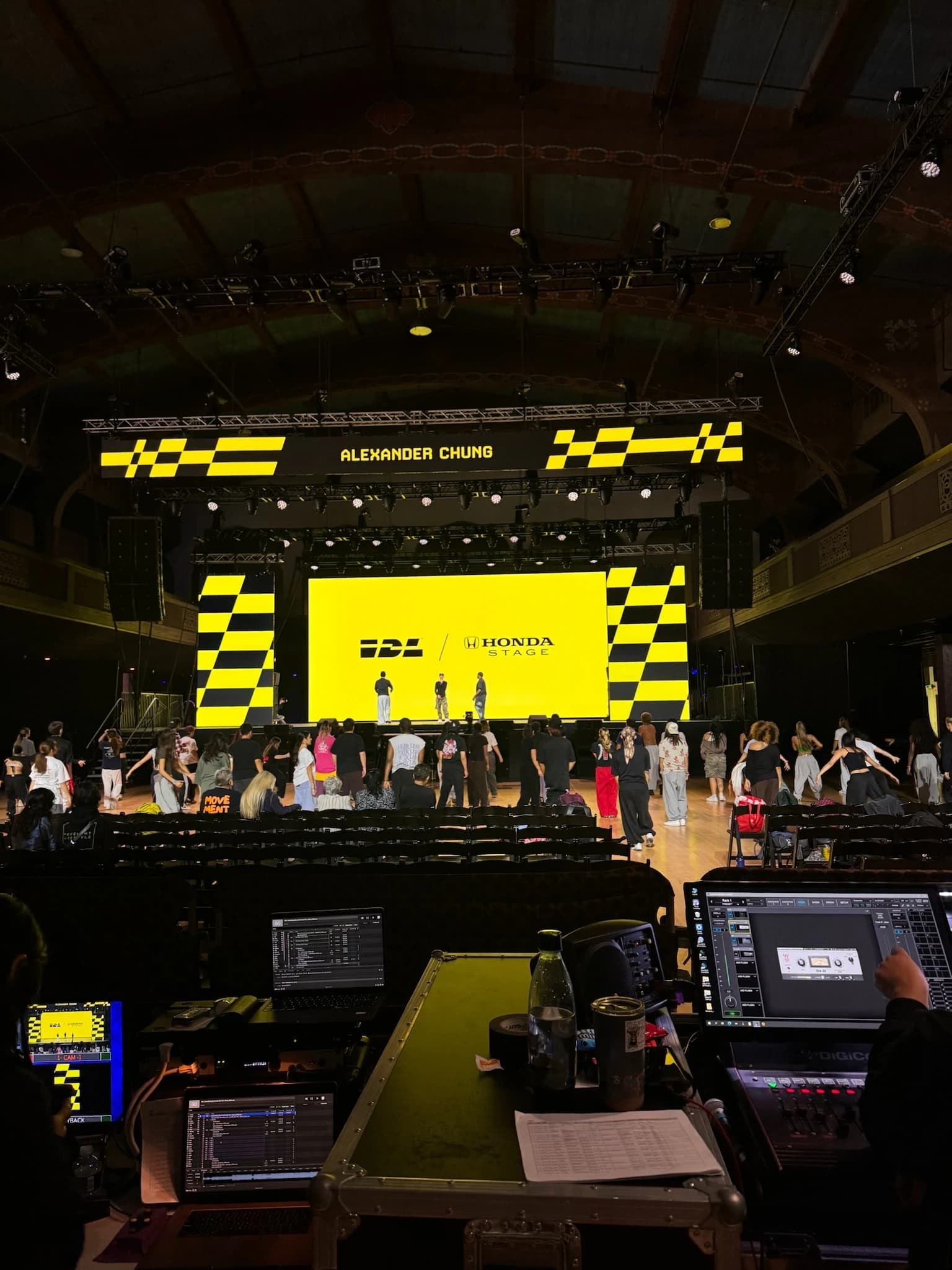
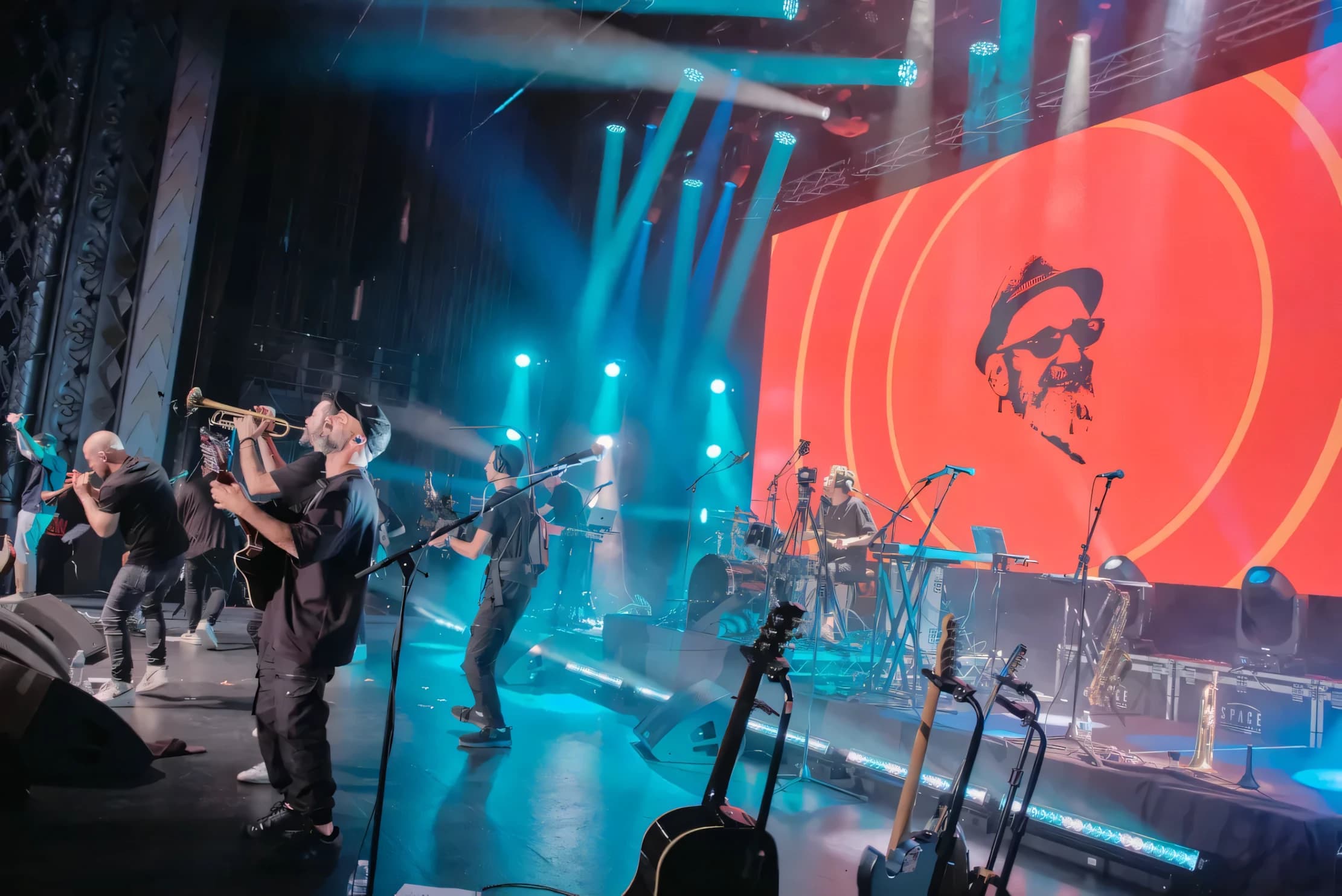
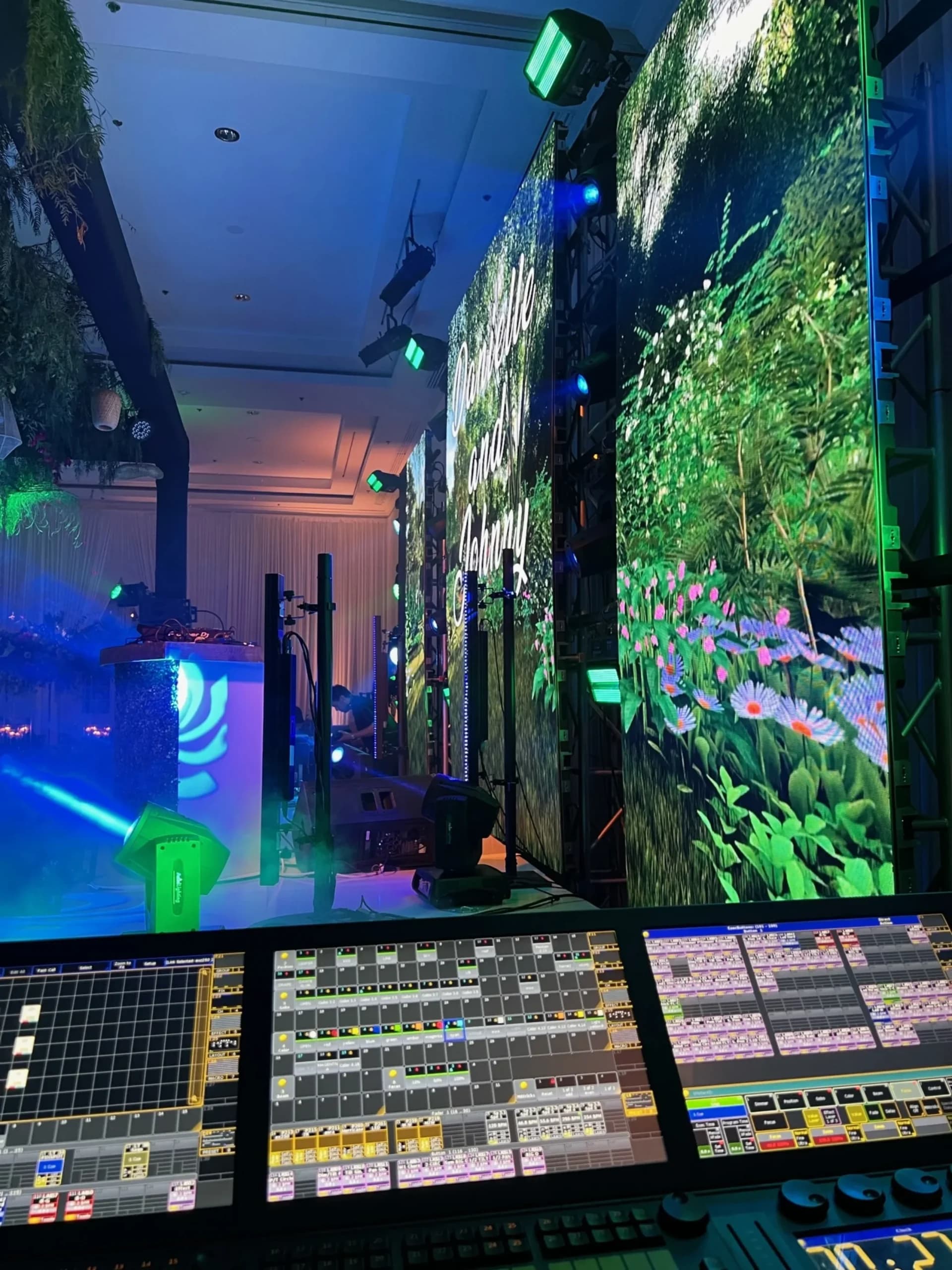
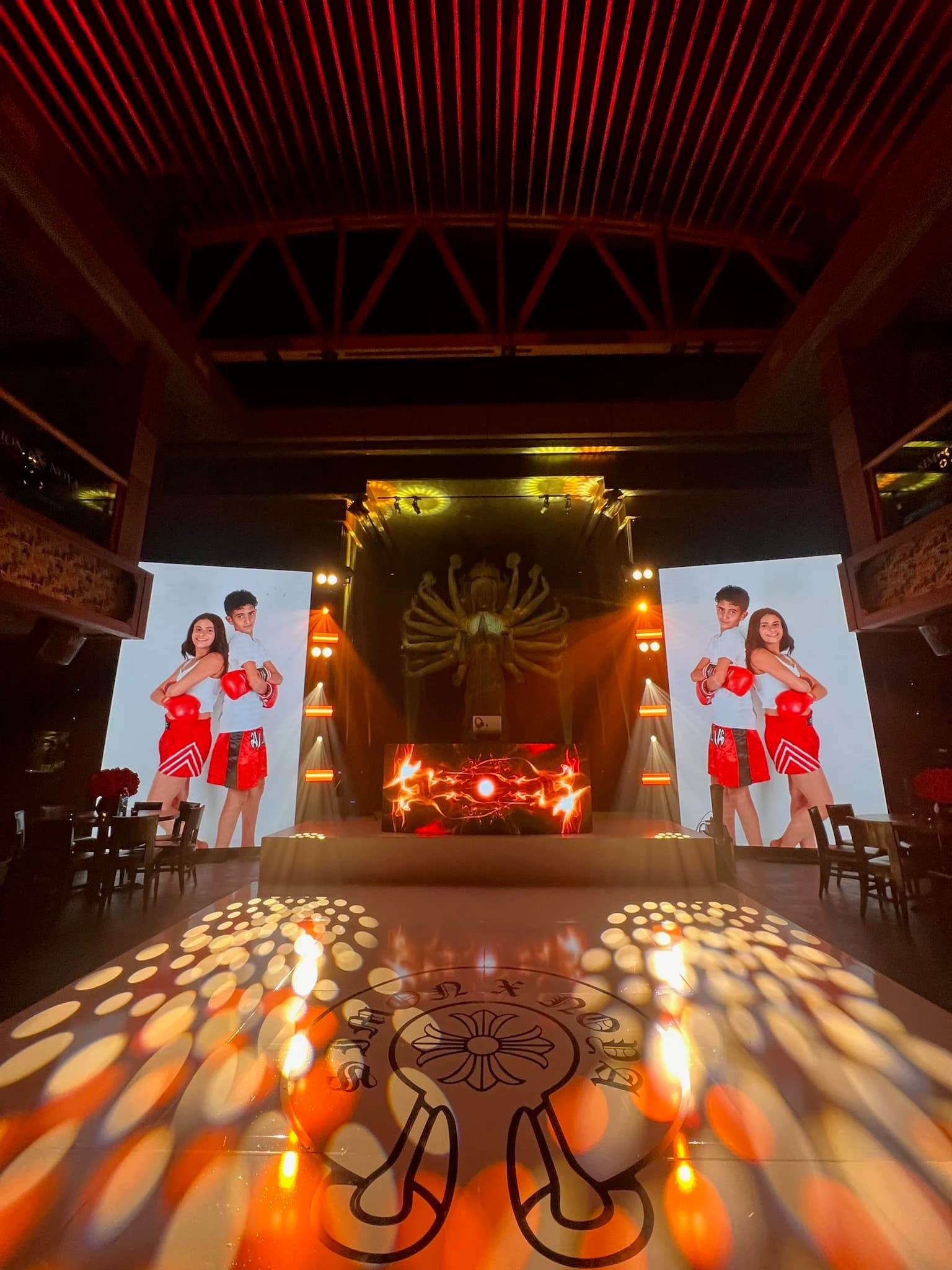
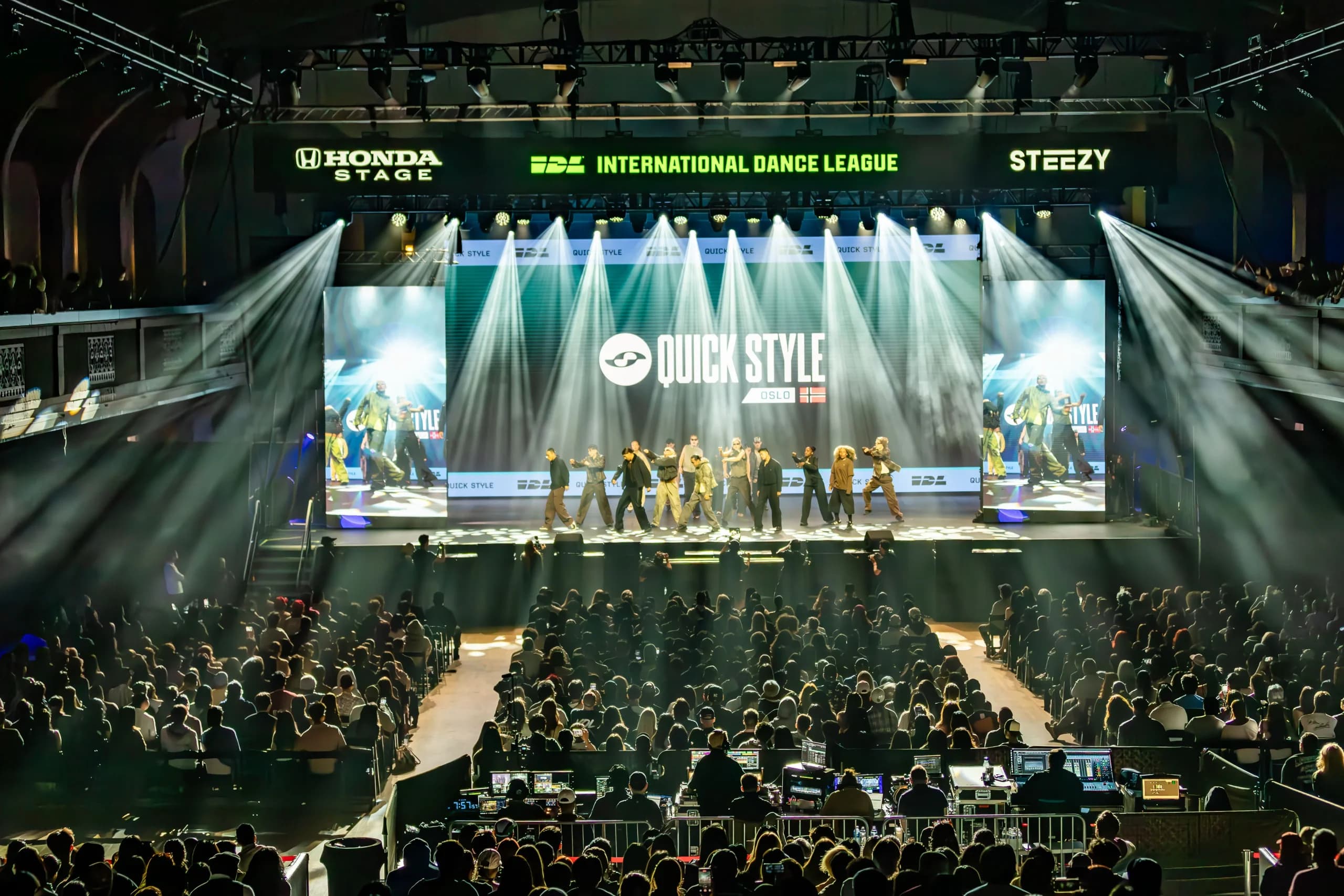
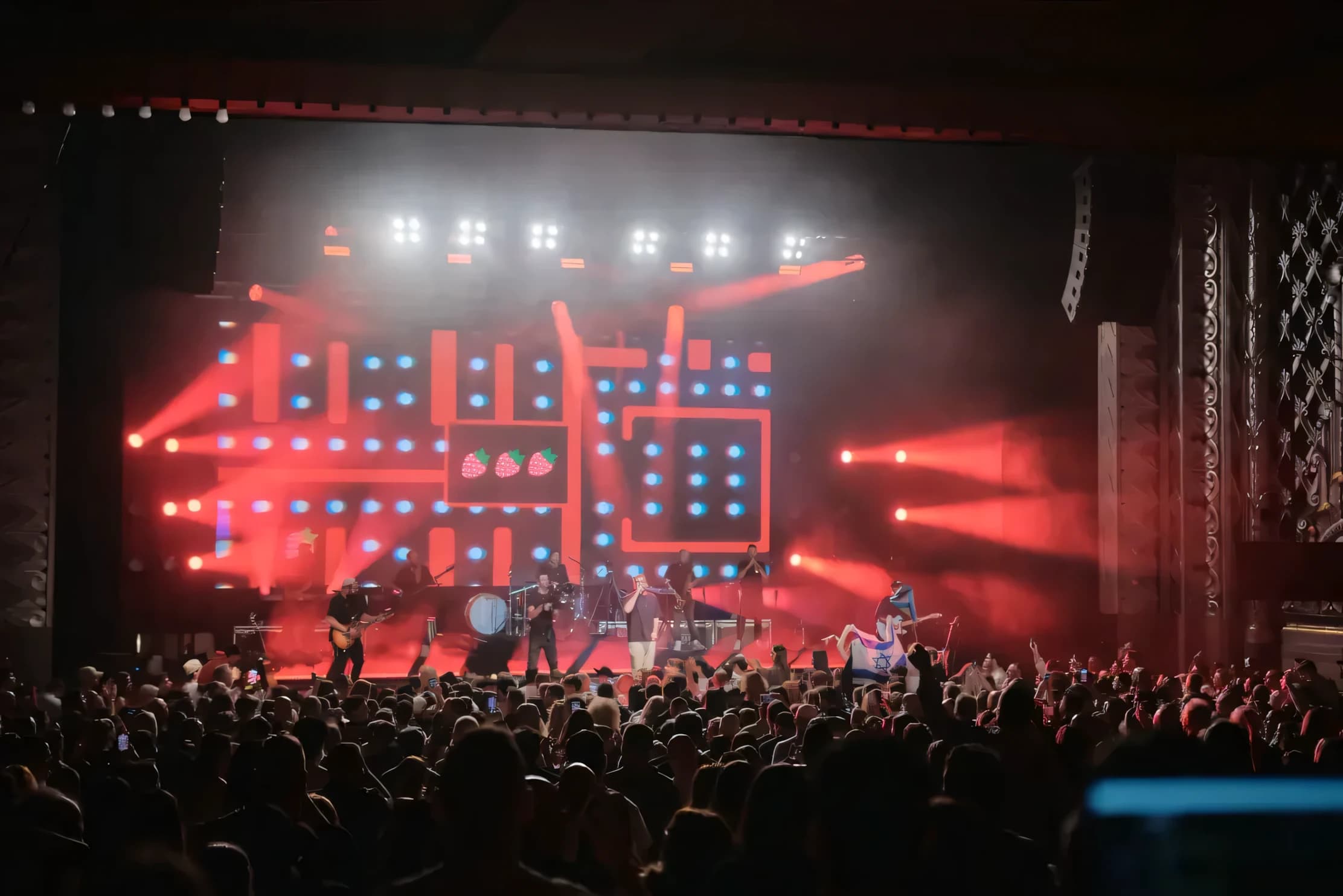
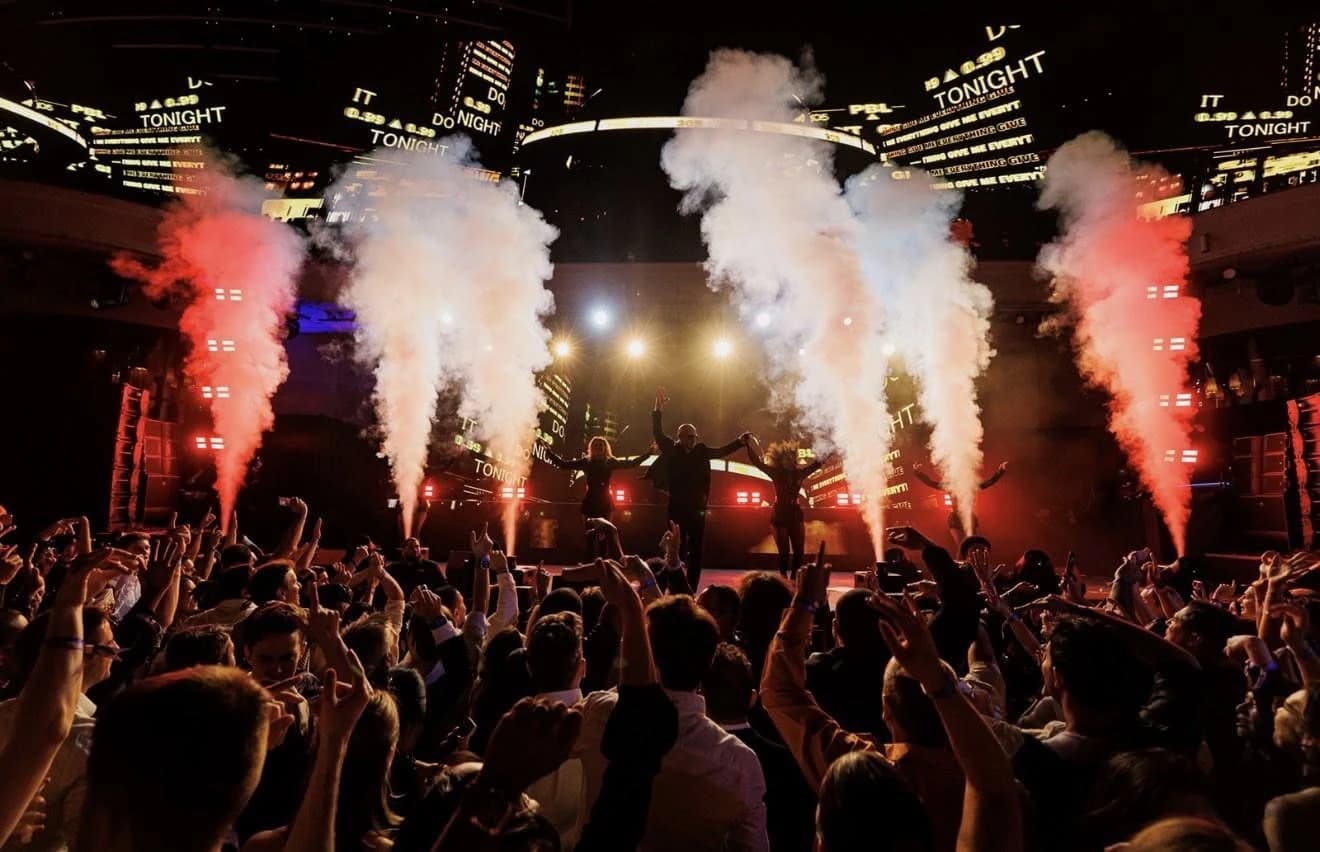
Stage lighting is layers doing different jobs, and a rig that’s missing one is obvious from the third row. Here’s what each layer does on a Los Angeles stage, so the plot you approve matches the show in your head. Every piece below is something we own, hang, and run ourselves — no brokered sub-rentals arriving the week of your show.
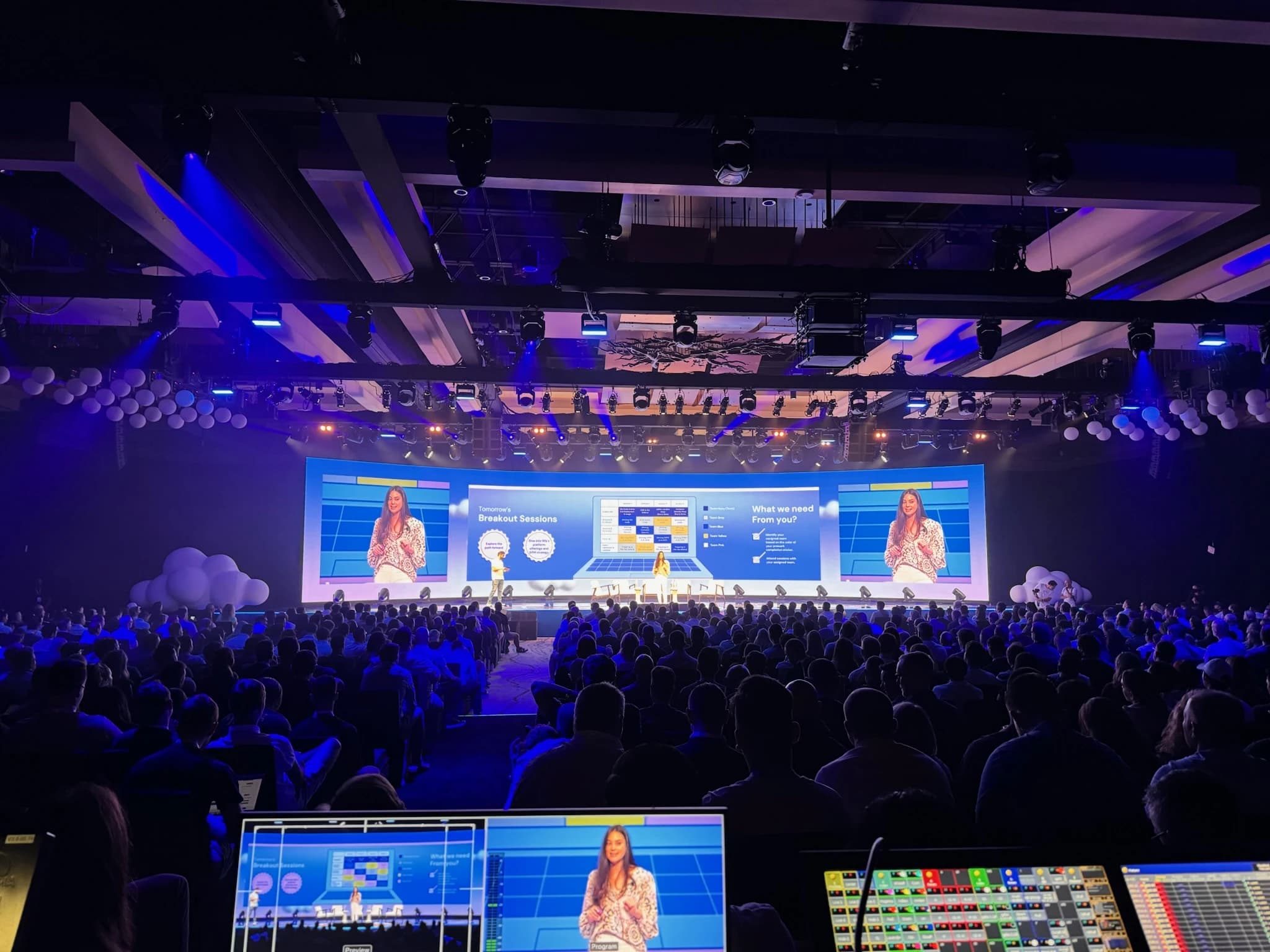
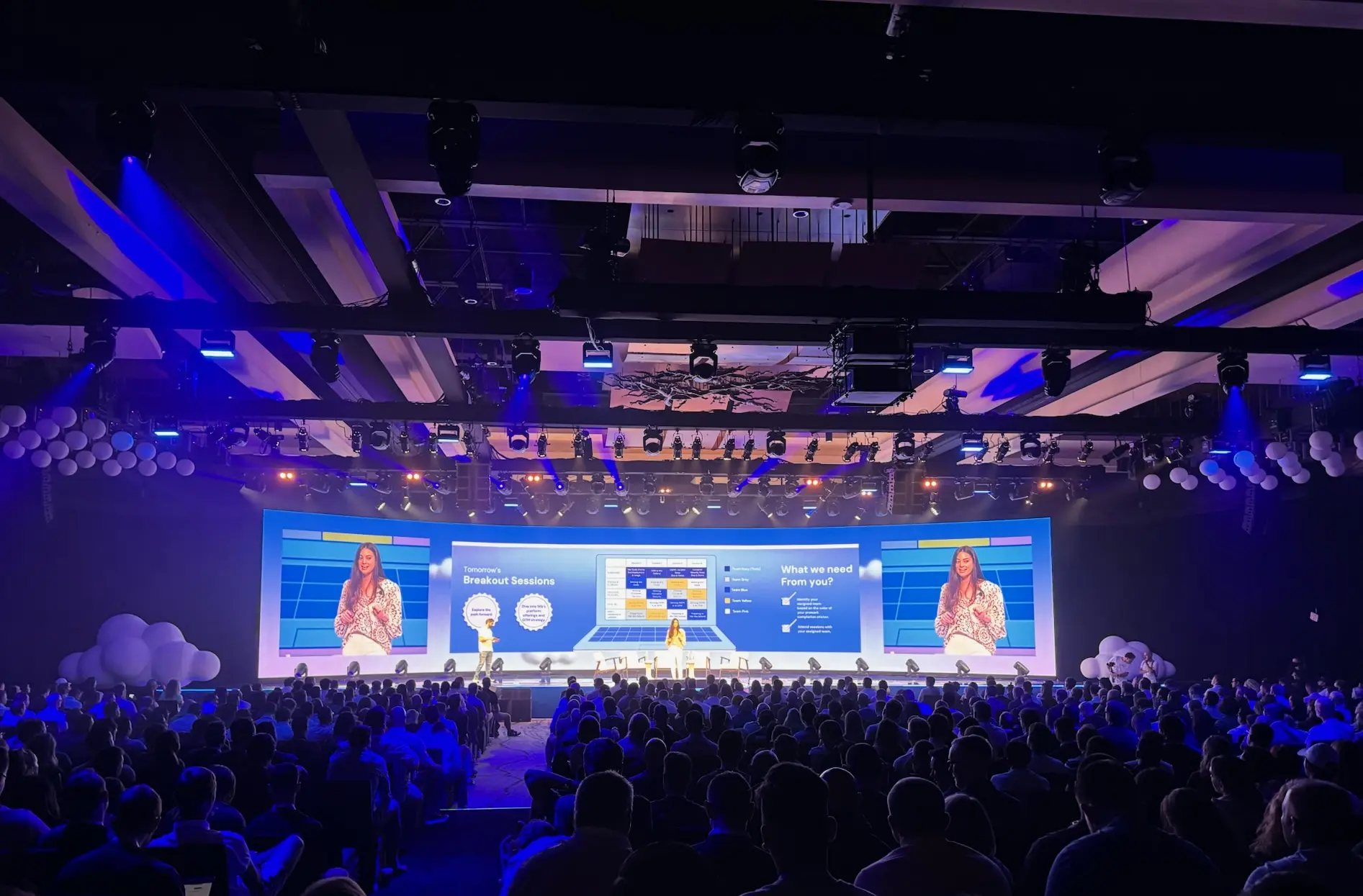
Front lightFront truss
The truss over the audience carrying the light that hits performers’ faces.
Ask for it when: Any show being filmed or photographed. Backlight alone looks dramatic live and reads as silhouettes on camera.
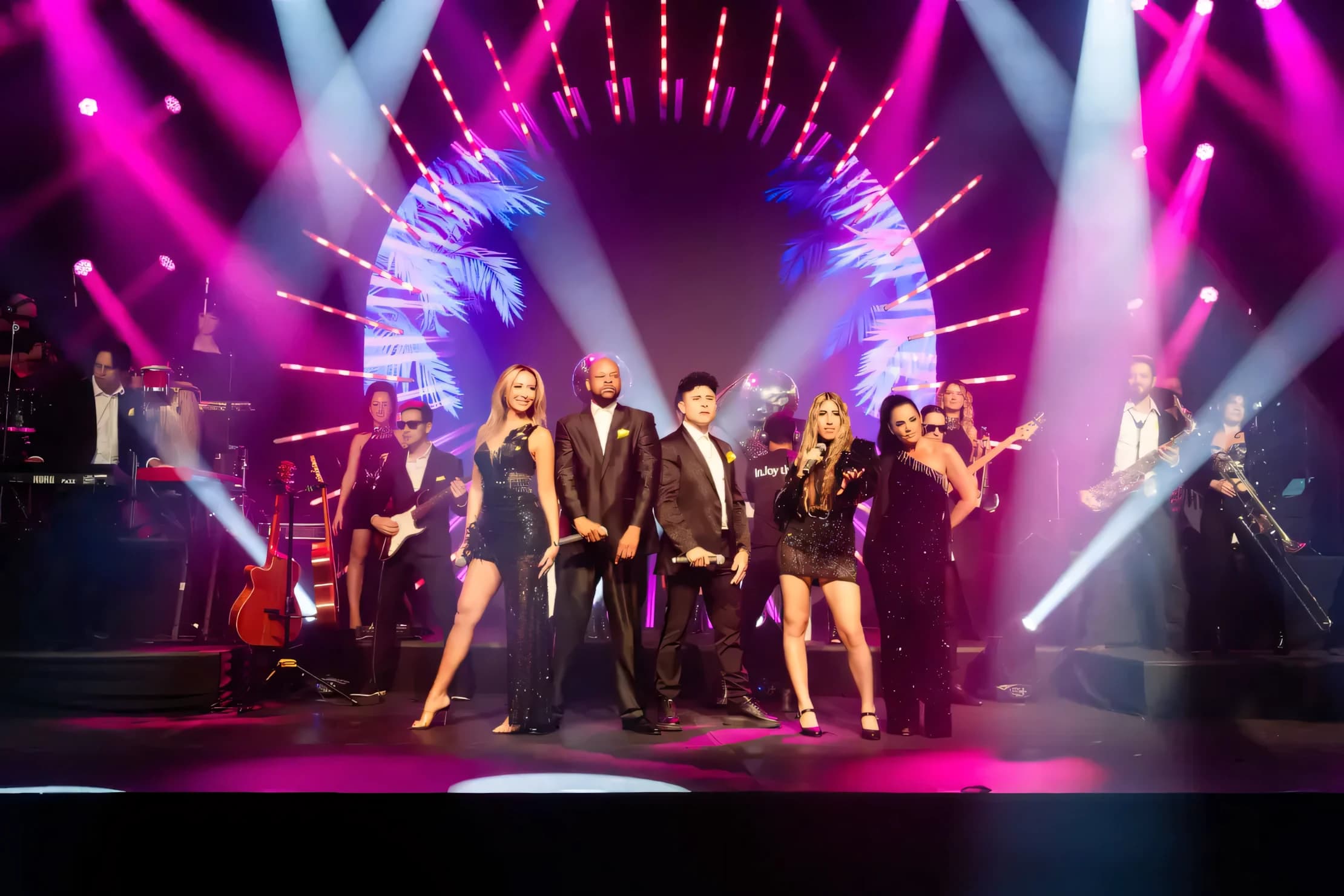
SeparationBacklight
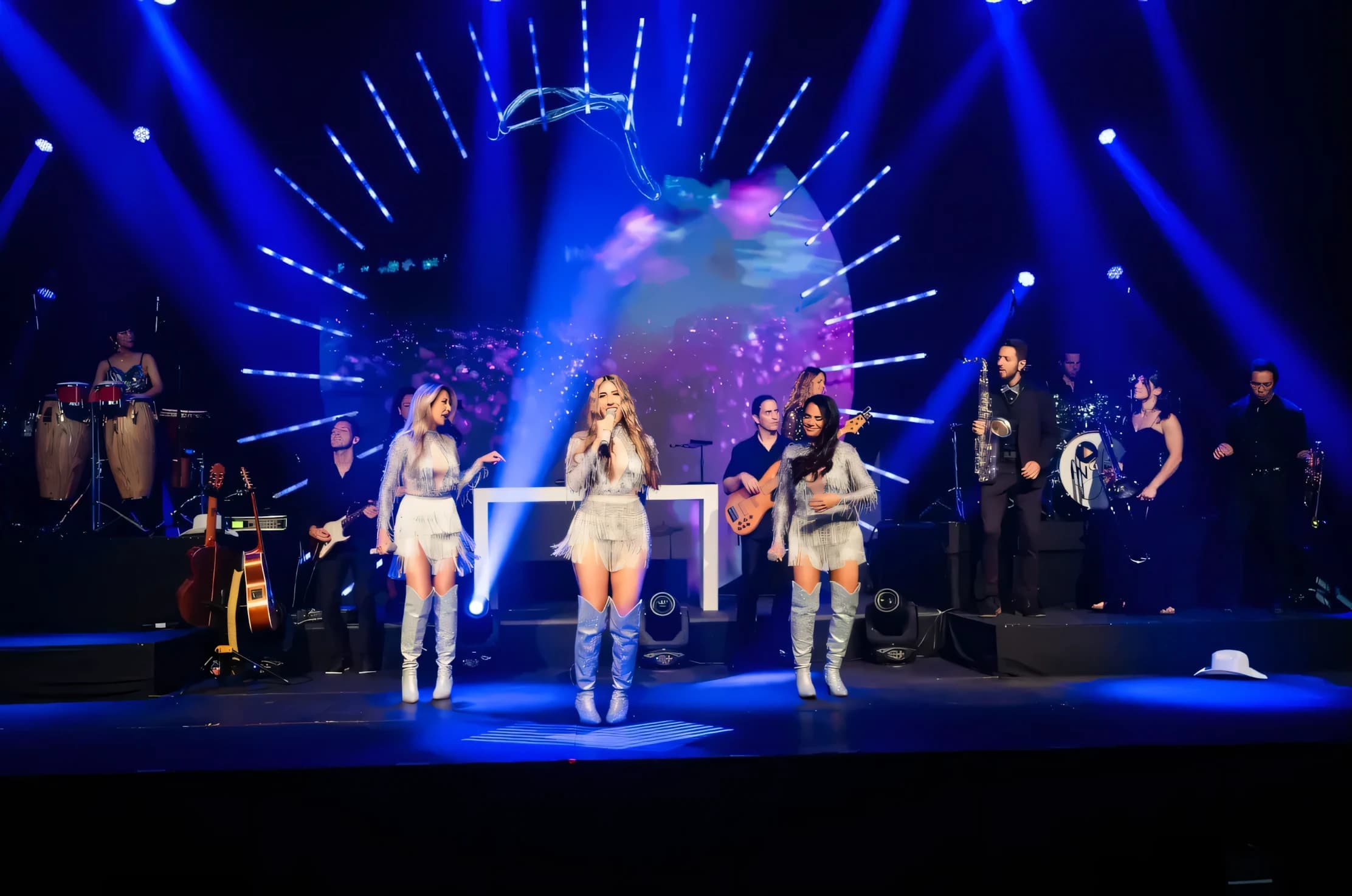
Fixtures upstage aimed back toward the audience, rimming performers from behind.
Ask for it when: Every stage. It’s what gives a band depth instead of looking pasted onto the backdrop.
ProgrammableMoving head — spot
A hard-edged moving fixture with gobos, iris, and precise framing.
Ask for it when: Aerial gobo looks, tight specials on a soloist, and anything needing a defined edge.
ProgrammableMoving head — wash
A soft-edged moving fixture built for colour and coverage rather than definition.
Ask for it when: Colour changes across the whole stage between songs or segments.
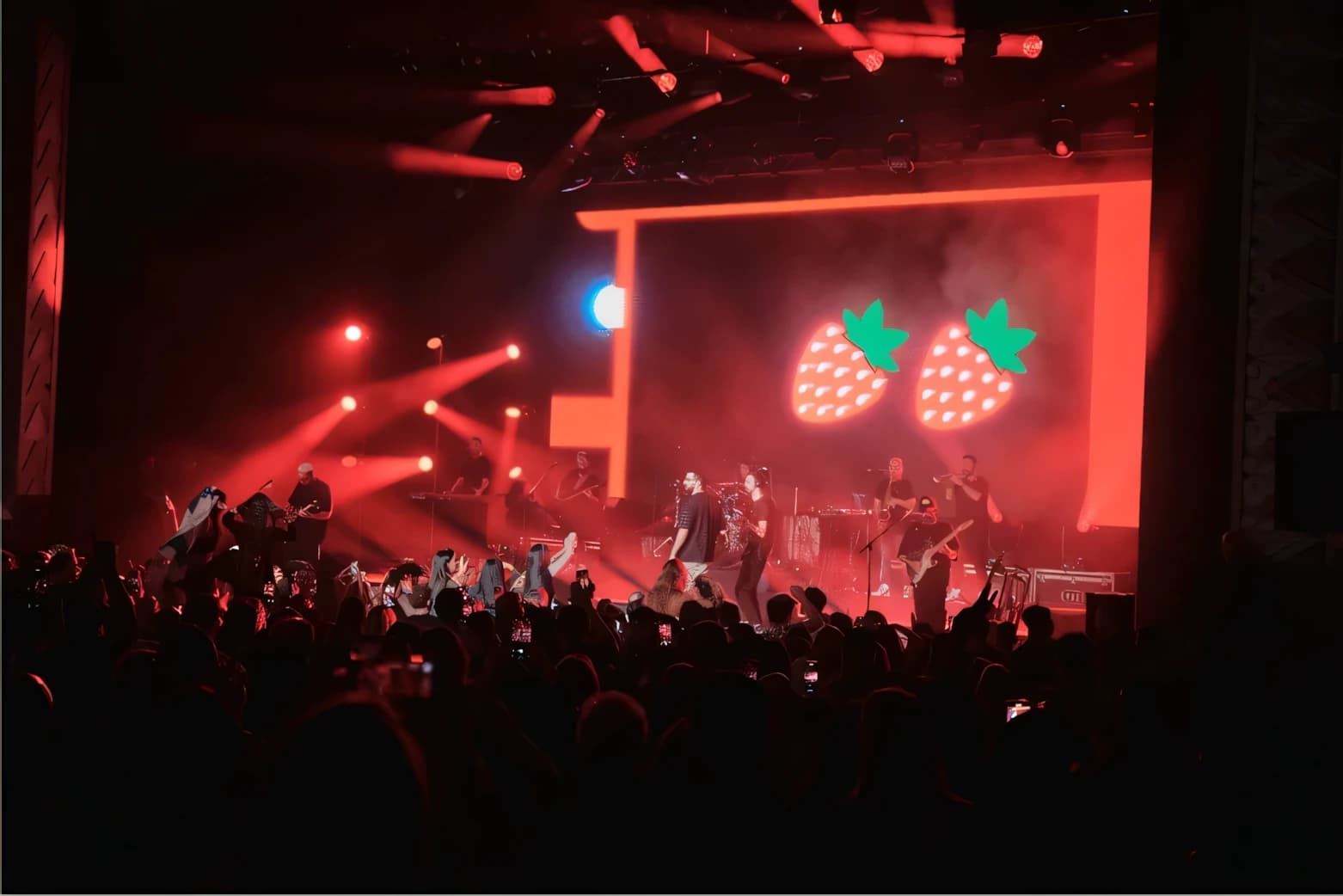
AerialBeam fixture
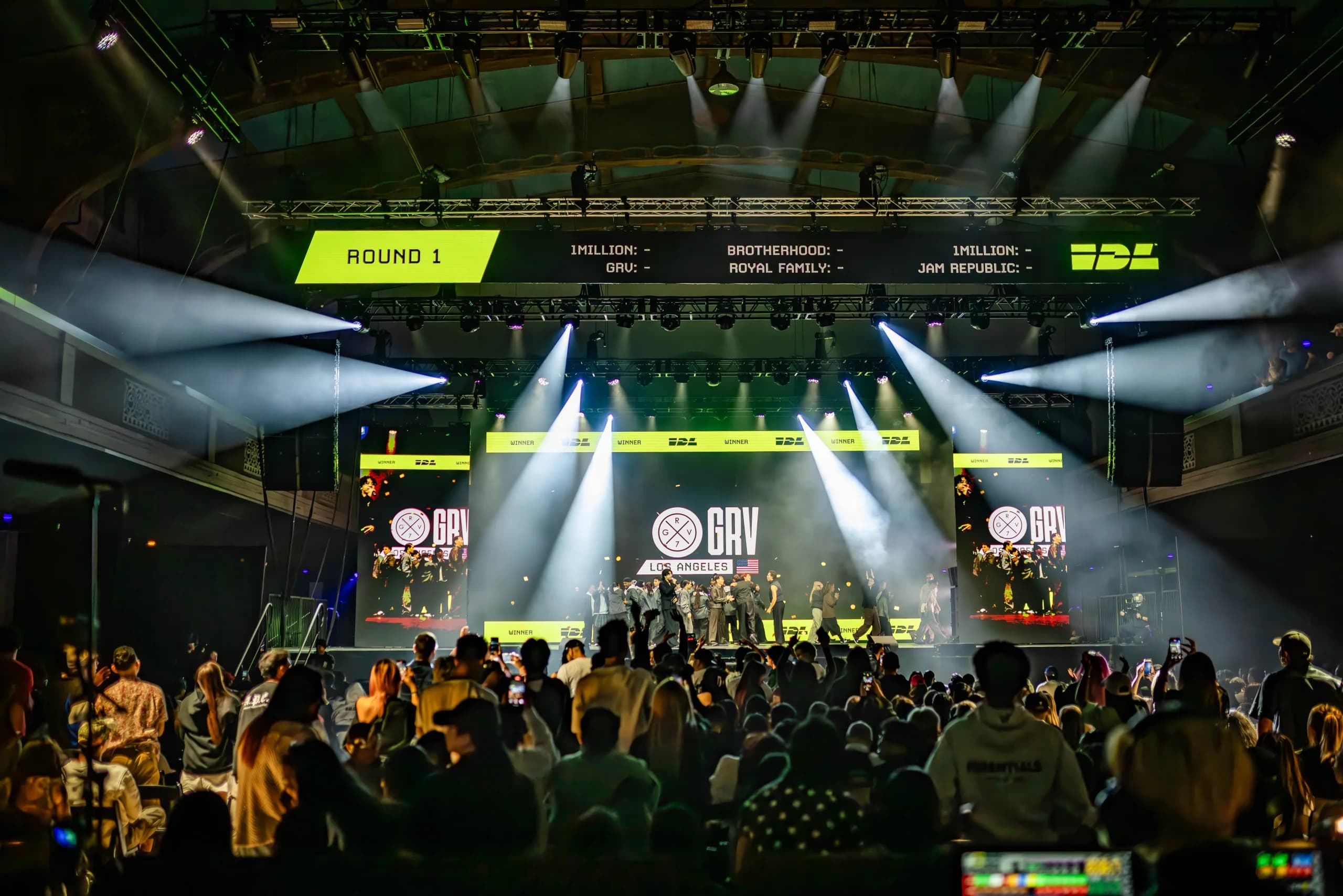
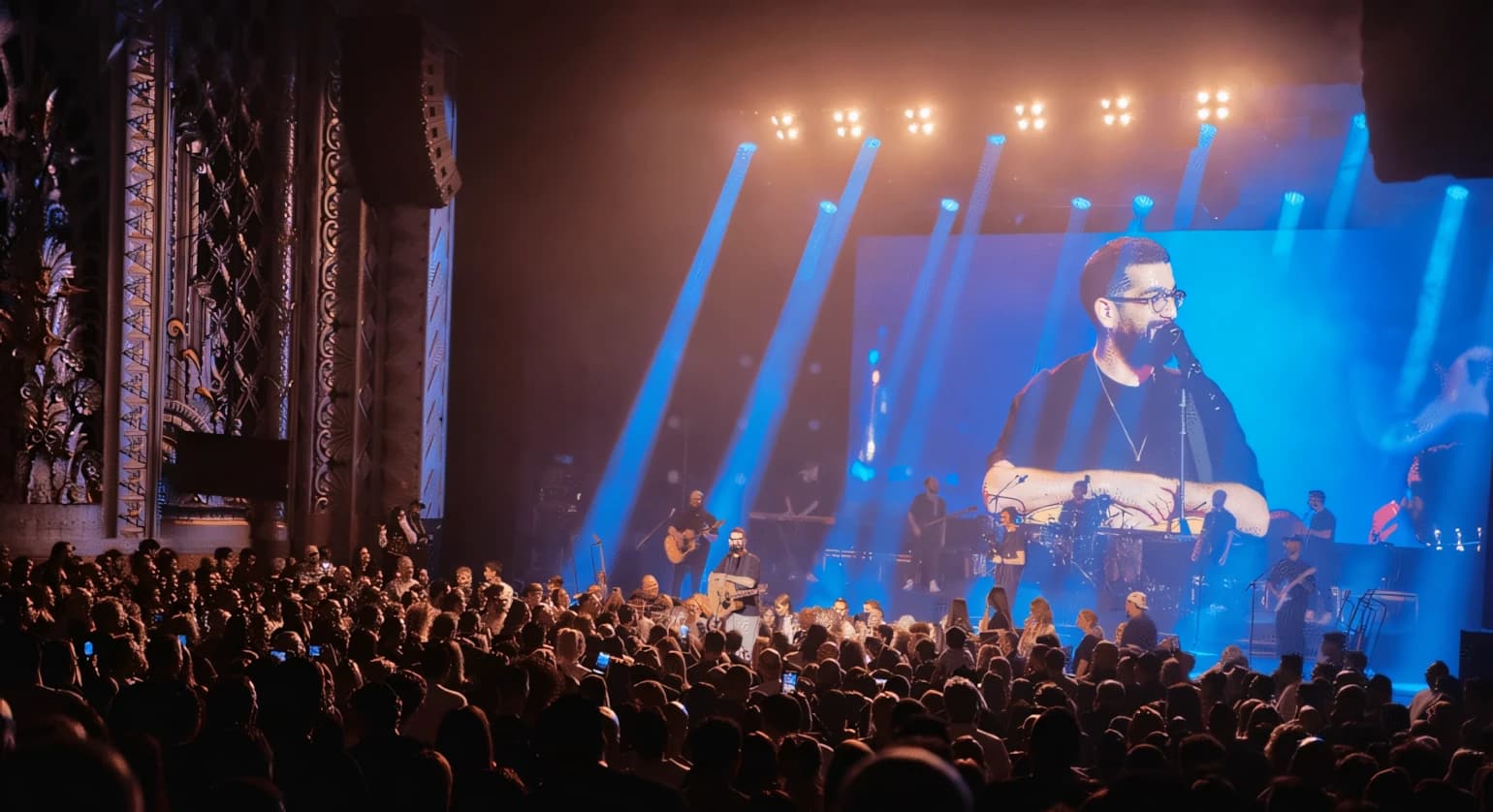
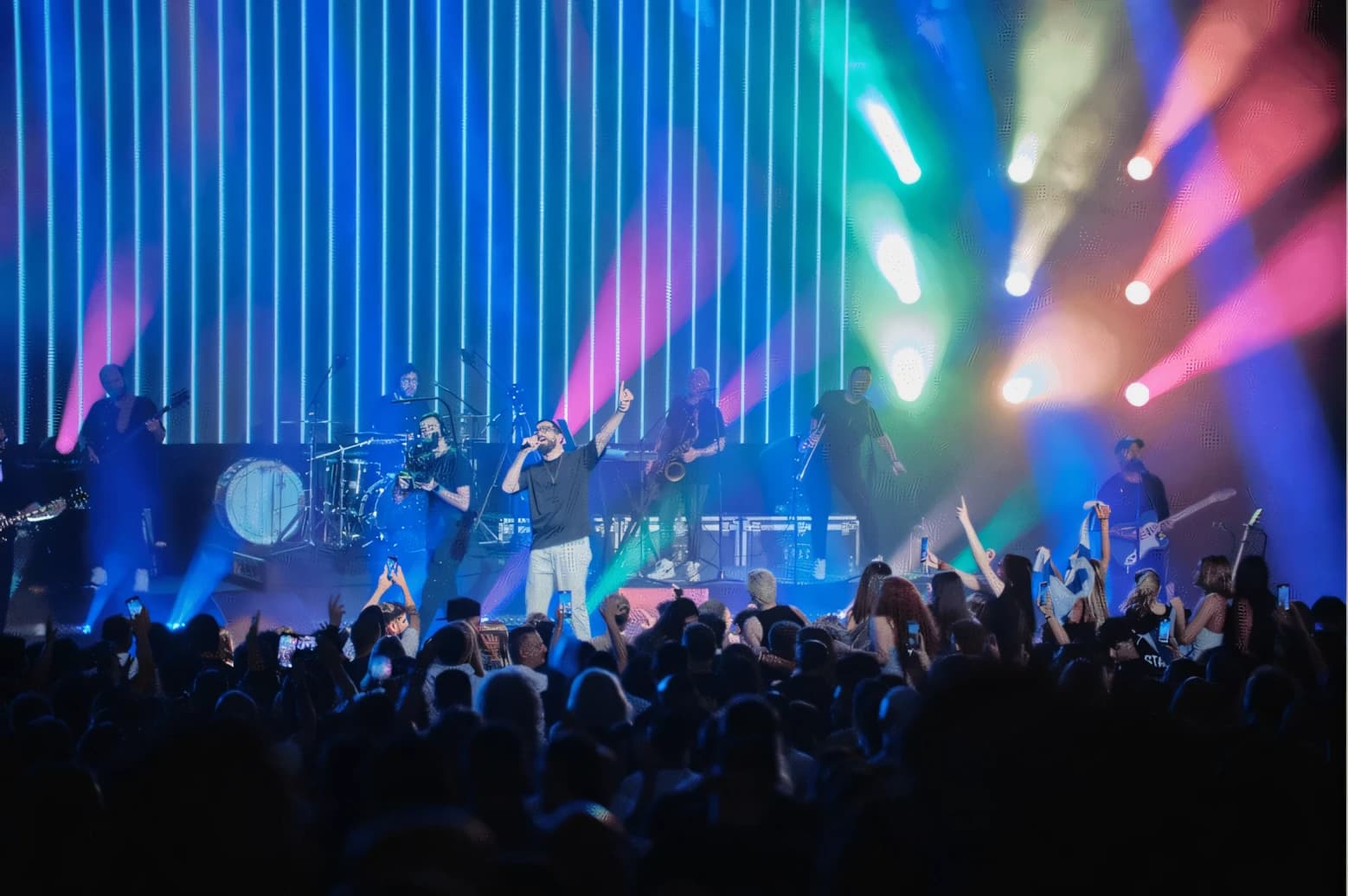
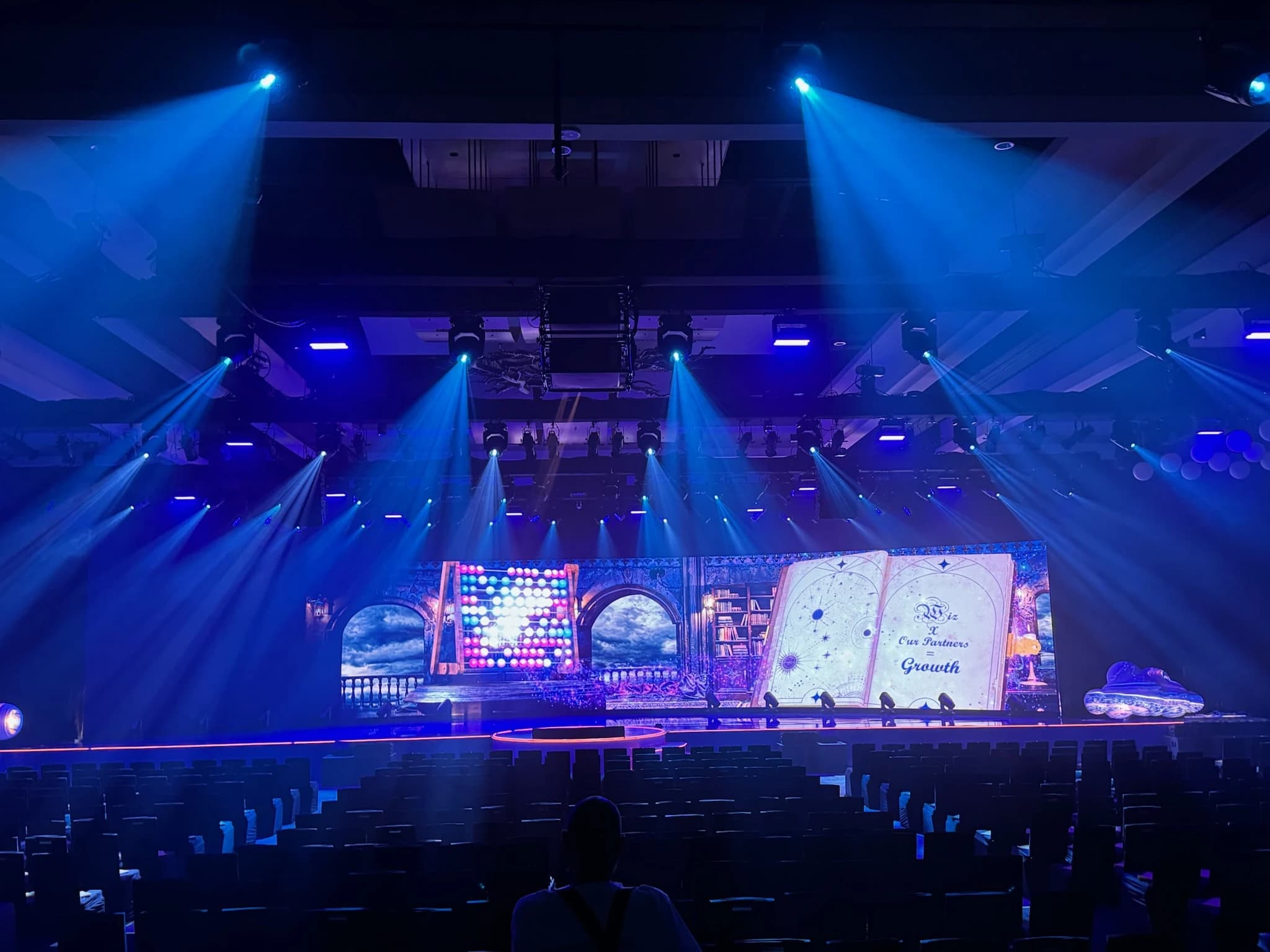
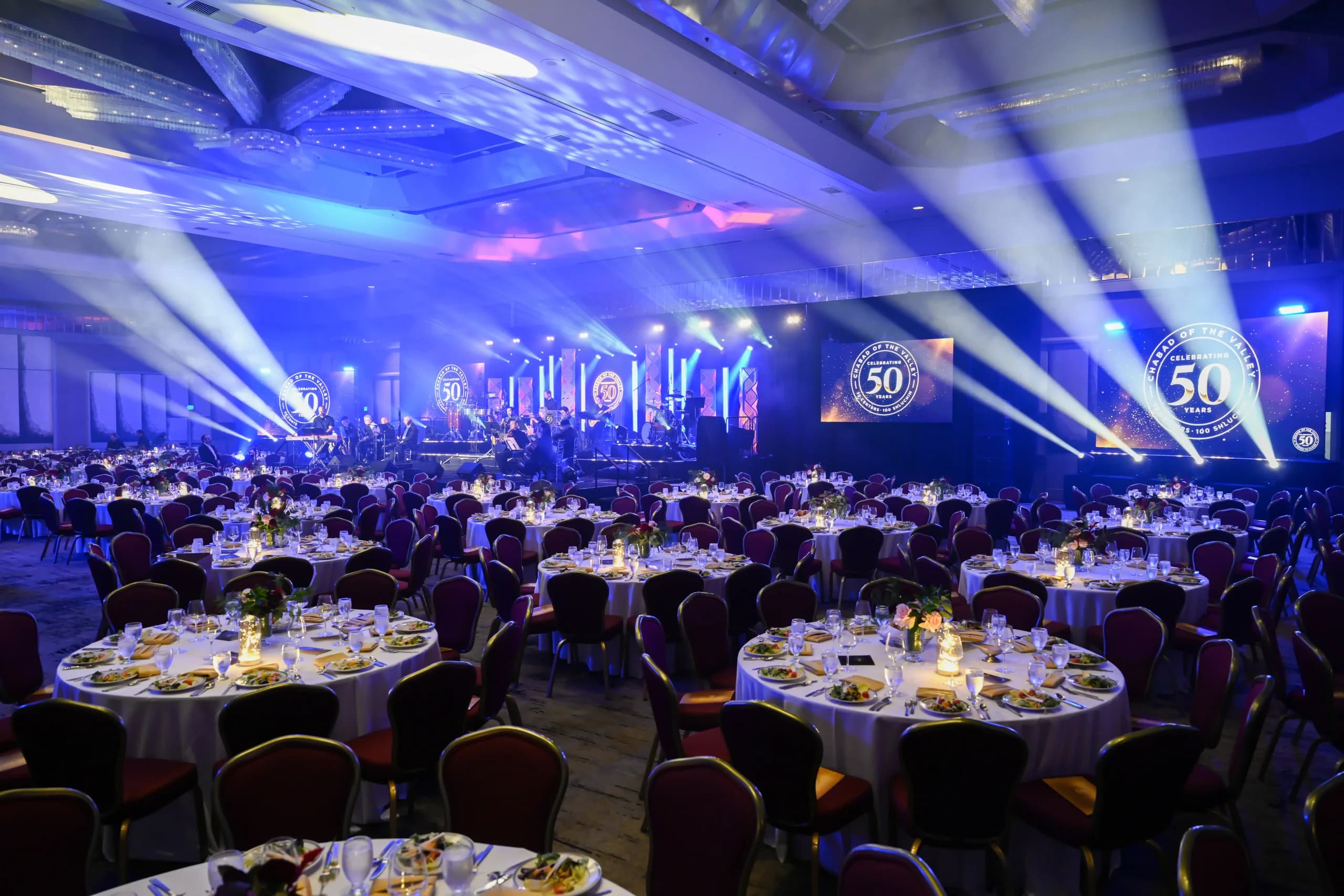
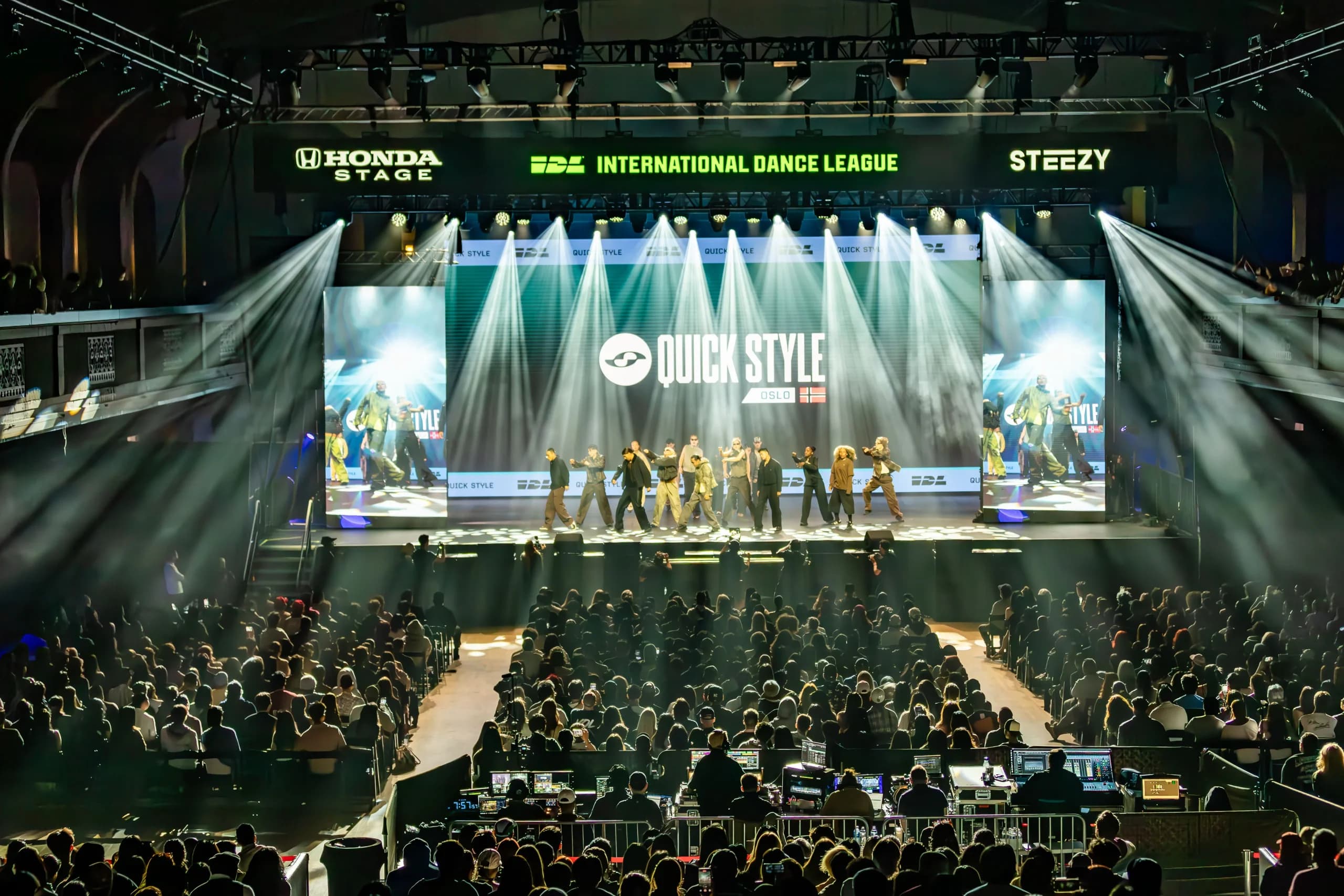
An extremely narrow, high-output beam designed to cut through haze as a visible shaft.
Ask for it when: Drops, intros, and the big aerial moments — the shots that end up on the recap reel.
ImpactStrobe
High-intensity flash, used in bursts rather than continuously.
Ask for it when: Impact hits and transitions. Flag it early if anyone in the audience has photosensitivity concerns.
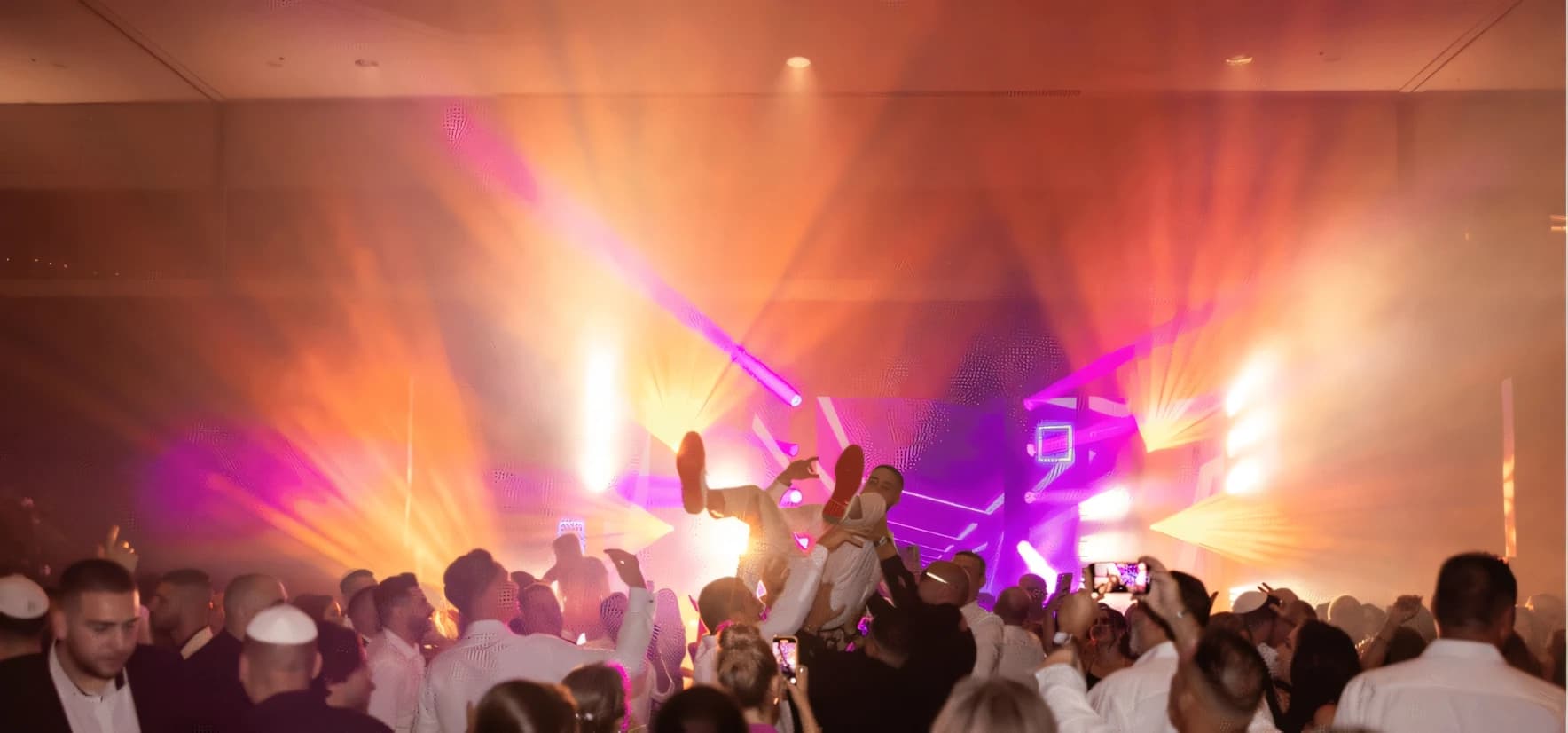
AudienceBlinder
Warm, high-output lamps aimed into the crowd.
Ask for it when: When you want the audience to feel like part of the show rather than spectators of it.
OperatedFollowspot
A human-operated spotlight tracking a performer around the stage.
Ask for it when: Front-person vocals, guest walk-ons, and any performer who won’t stay on a mark.
ShapeSide light / boom
Vertical positions in the wings throwing light across the stage rather than down it.
Ask for it when: Dance and movement. Side light sculpts bodies in a way overhead light physically can’t.
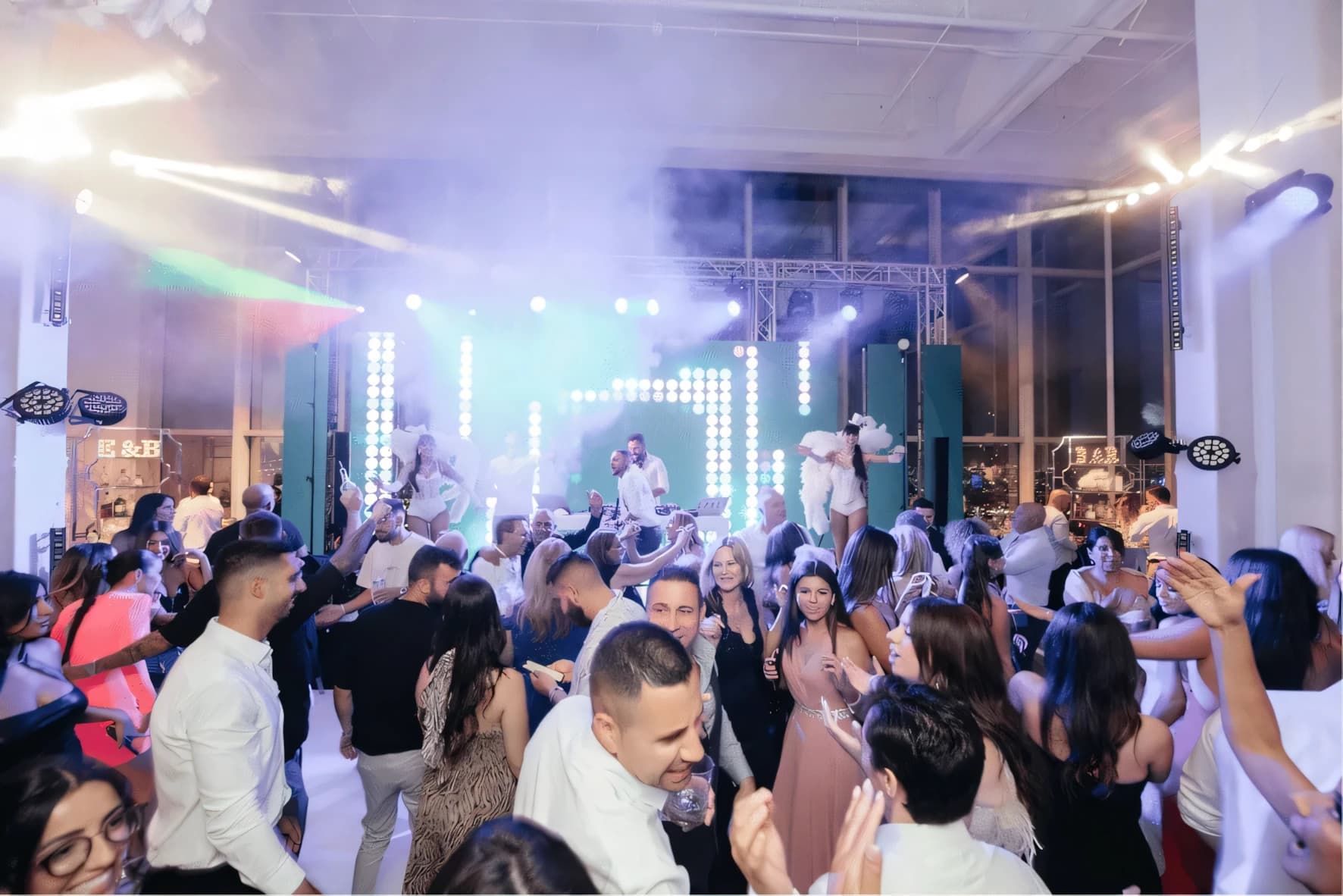
AtmosphereHaze & fog
Haze hangs in the air to reveal beams; fog is heavier and sits low across the deck.
Ask for it when: Haze for any beam-based look; fog for a specific floor effect. Both need fire-panel clearance.
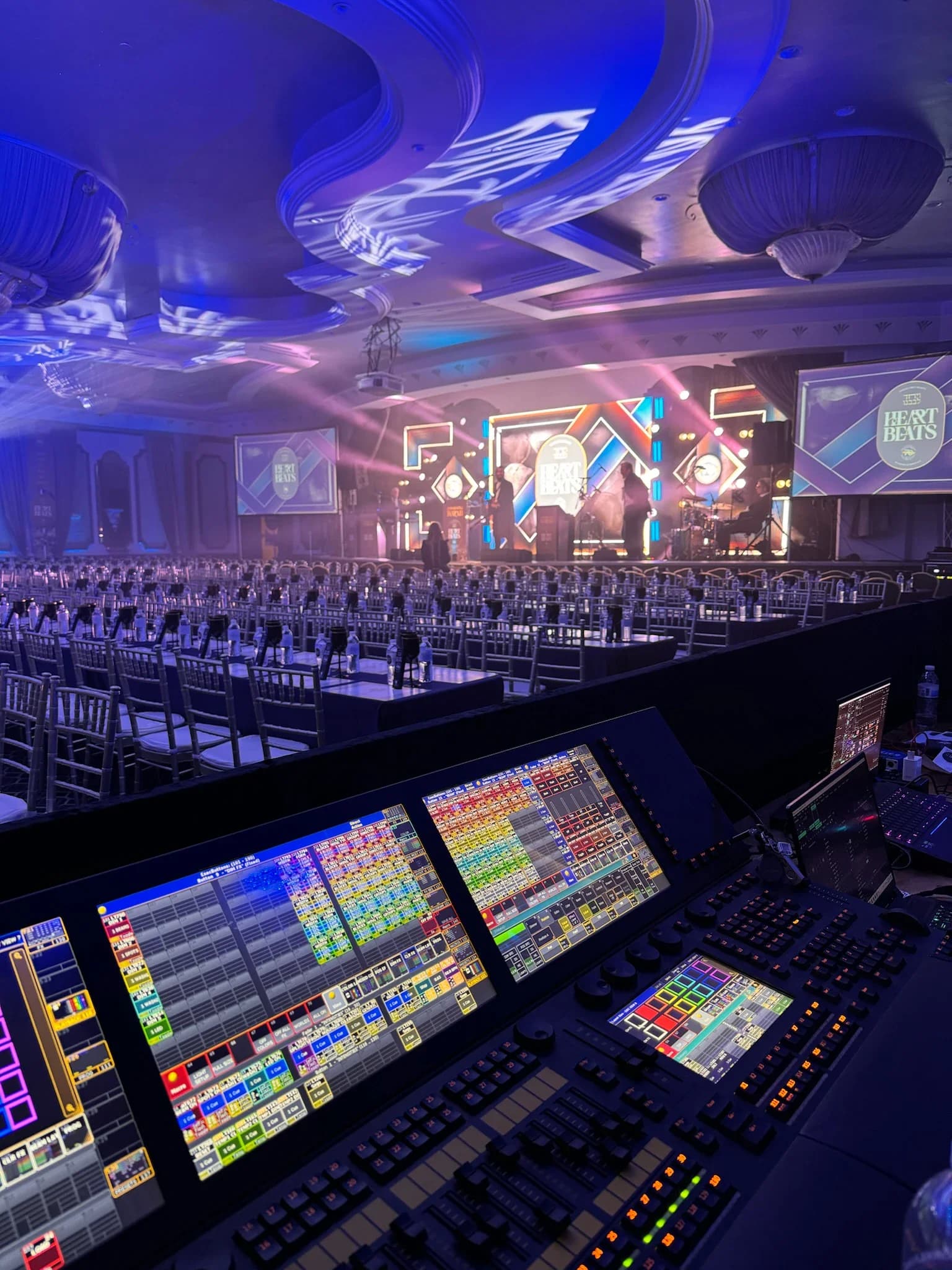
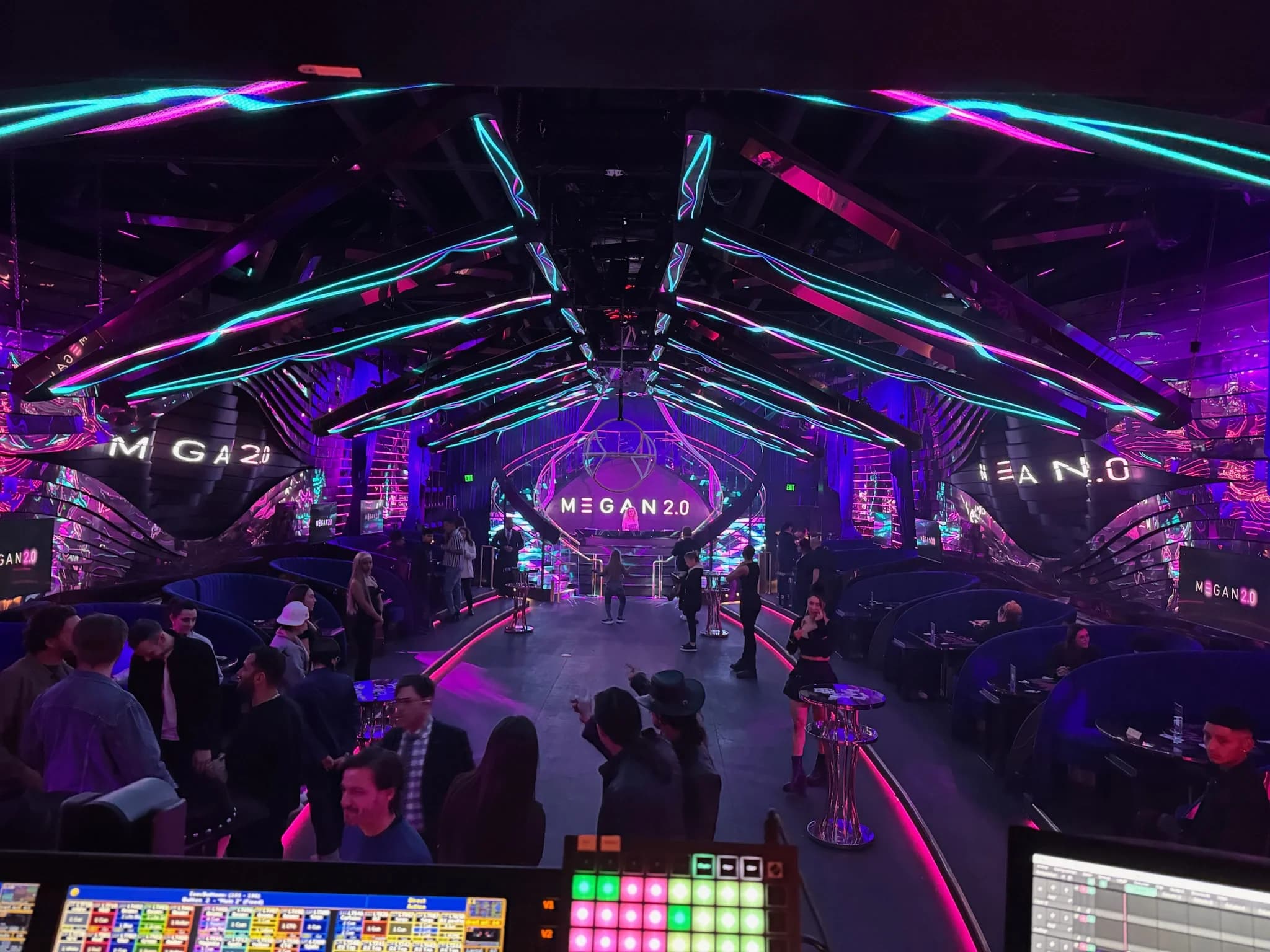
ControlTimecode vs. busking
Timecode locks every cue to the track; busking means an operator plays the rig live to the room.
Ask for it when: Timecode for a fixed setlist with playback. Busking when the set can change — most corporate shows are somewhere between.