Sound System Rental Cost in Los Angeles: 2026 Prices and PA Sizing
Leeor S.
Owner, Space Productions
6 min read
Most event sound systems rent for about $500–$1,000 for a small PA covering under 200 people, $1,000–$2,500 for a 200–500-person event with a technician, and $2,500–$8,000 or more for a line array serving 500 to 1,000+ — with Los Angeles running 15–25% above national averages. The right size comes from the room, the crowd, and whether it’s speech or music.
Key takeaways
- A small PA for under 200 people runs about $500–$1,000; 200–500 people about $1,000–$2,500; line arrays $2,500–$8,000+ — LA runs 15–25% above national averages.
- Size by room, crowd, and program: roughly 6–8 watts per person indoors for speech, double for dance music, and 50–100% more outdoors.
- Point-source speakers cover speech up to ~150 people; ballroom keynotes want a compact line array; concerts and 600+ crowds need a full array.
In this article
A pair of speakers on stands and a festival line array are both “a sound system,” which is why price quotes seem to be all over the place. Below are the 2026 ranges by system size, how to tell which size you need, and what separates a quote you can trust from a speaker rental with a bow on it.
Sound system rental prices at a glance
| System | Typical event | Typical price (2026) |
|---|---|---|
| DIY PA from a rental counter | Toasts and small parties you run yourself | $50–$200 per day |
| Small PA, delivered with a technician | Ceremonies, meetings, and receptions under 200 people | $500–$1,000 |
| Mid-size PA with subs and a technician | Weddings, galas, and corporate events of 200–500 | $1,000–$2,500 |
| Line array | Concerts and large rooms of 500–1,000 people | $2,500–$4,000 |
| Flown line array with monitor world | Festivals and arenas of 1,000+ people | $4,000–$18,000+ |
Wedding sound covering both the ceremony and the reception typically lands around $700–$1,500. Where they aren’t included, a wireless handheld mic rents for about $75–$150 and a technician adds $300–$800 per event. On our quotes the engineer is in every quote, not an add-on.
What size PA system do I need?
Start with the room, the crowd, and the program. As a rough indoor rule of thumb, allow 6–8 watts per person for speech and background music, double it for dance music or a band (and add subwoofers), and plan on 50–100% more power outdoors, where there are no walls to carry the sound.
| Event | What usually works |
|---|---|
| Speech for up to ~150 people | Point-source speakers on stands and wireless mics |
| Ballroom keynote or gala | A compact line array with front fills; subs if there’s music |
| Reception or party with dancing | Point-source tops with subwoofers, powered for the dance floor |
| Concerts and crowds of 600+ | A full line array with subs and monitors |
| Outdoor events | More power and coverage for the same crowd, plus delays for deep fields |
Point source vs. line array
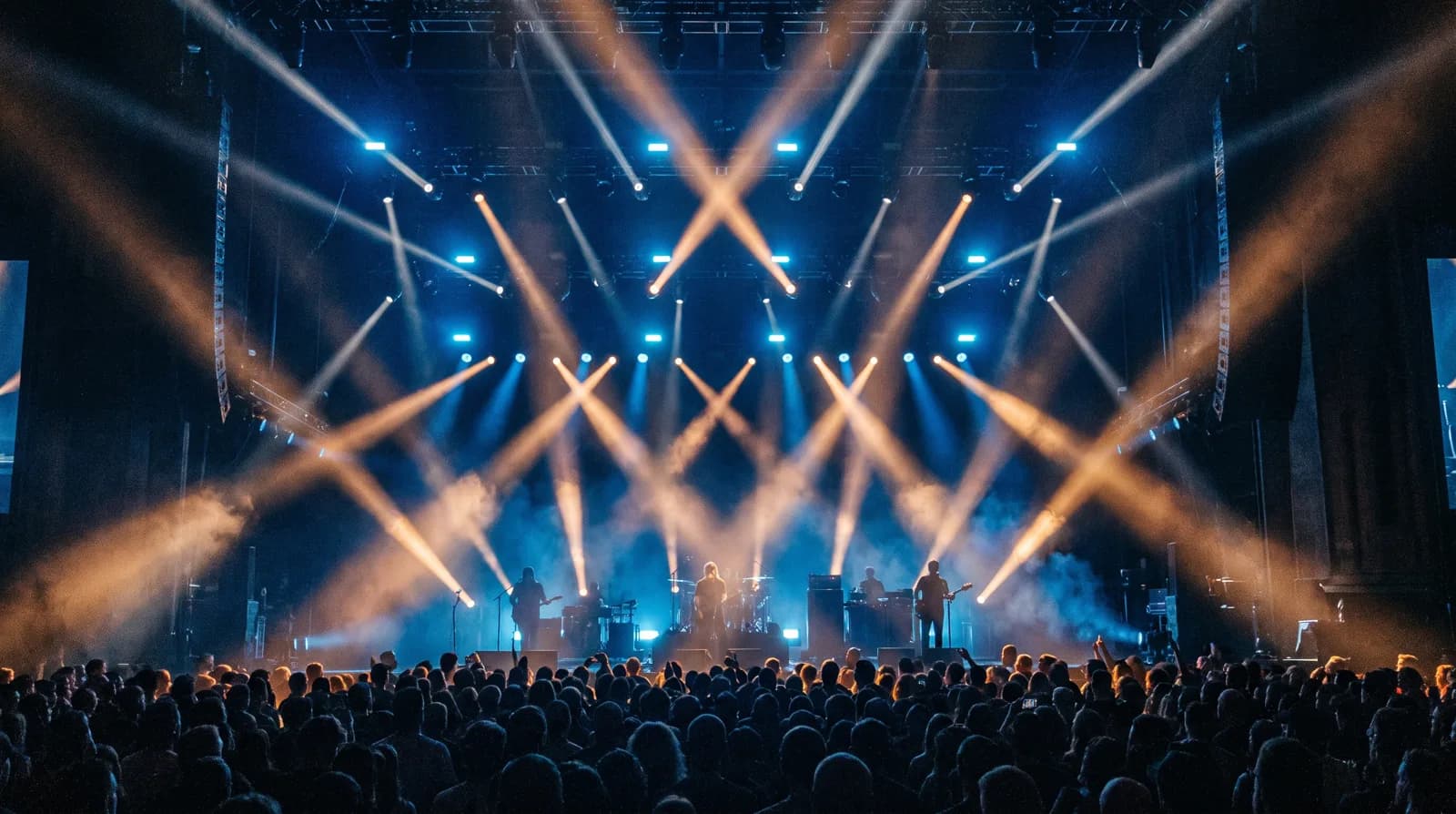
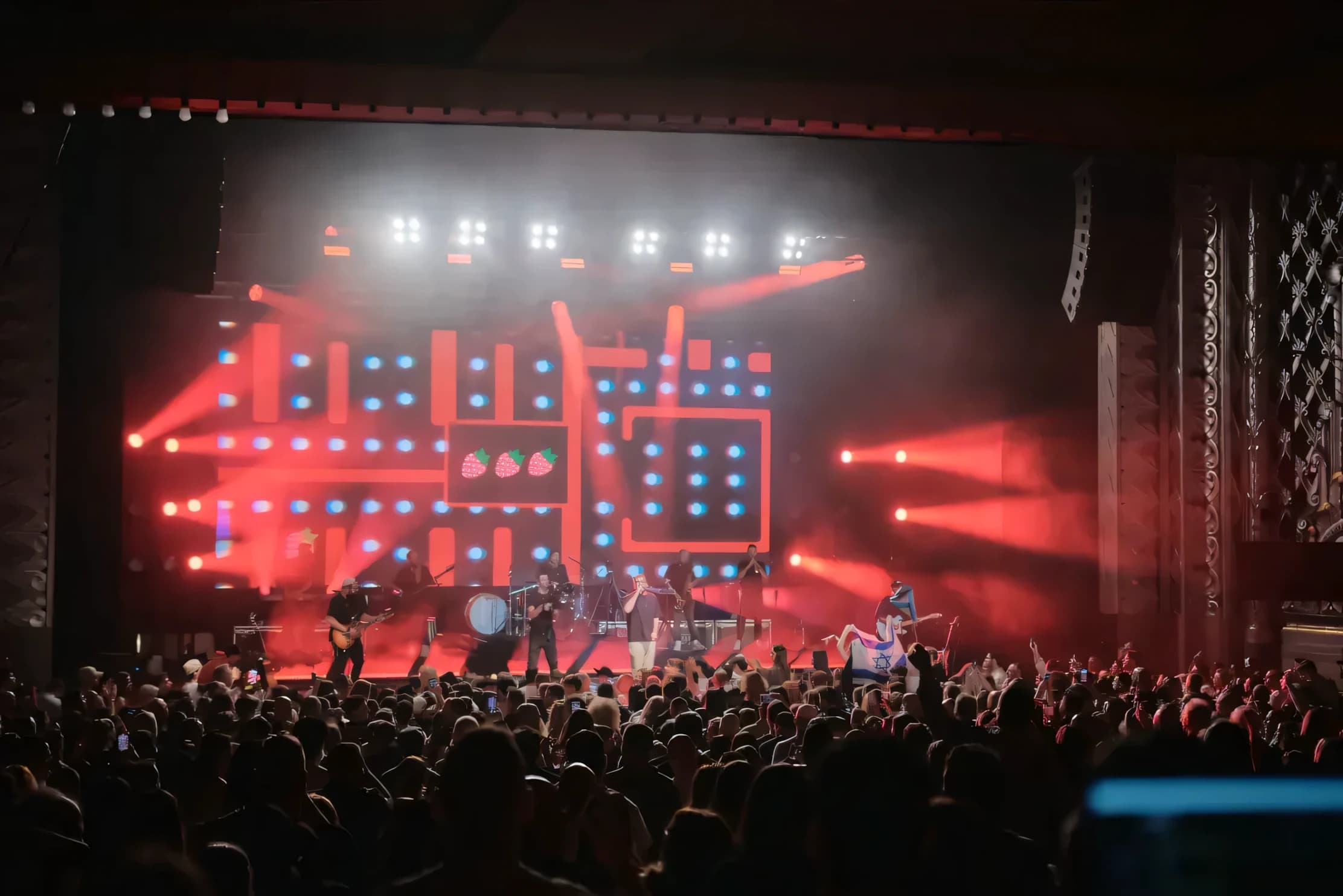
A point-source speaker throws sound from one box in a wide cone — ideal for small and mid-size rooms. A line array stacks many boxes in a curved vertical column that behaves like one source, throwing evenly to the back of a long room or a field while keeping sound off the ceiling and walls. It costs more, and it earns it when the room is deep, the crowd is large, or the show is outdoors.
What drives the cost of event sound
System class
Point-source versus line array is the biggest single line: more boxes, more subs, more rigging, and more crew to fly and tune them.
Wireless channels
Every wireless mic is a channel to coordinate, and the RF spectrum in Los Angeles is crowded. Handhelds, lavs, and headsets with active RF management — and a spare for anything critical — are real lines on a quote.
Monitors
Performers need to hear themselves. Wedges or in-ear mixes per performer add gear, channels, and often a second engineer.
Engineer time
An engineer mixes the room live and handles RF, feedback, and levels from soundcheck through the last cue. Longer programs and multi-day events add hours.
Outdoor noise limits
Outdoors, the system is designed to the permit: cardioid subs steer low end away from the neighbors and the level is monitored through the show, so the set finishes instead of getting shut down.
What a sound quote should include
- Speakers and subwoofers by model and count, and how they’re flown or stacked
- The mixing console, and every microphone by type — with spares
- Monitors or in-ears for performers
- Power distribution
- An engineer for soundcheck and the full show
- Delivery, setup, and strike
A “sound package” with no engineer is a speaker rental. If you just need a speaker for toasts, a rental counter is the better fit; if you want the sound to simply work while you run the event, ask who mixes the show.
How to save on event sound
Size to the room, not the biggest box
A system tuned to the room beats a bigger one turned down. Share the headcount, the room, and the program and let the spec follow.
Count your mics honestly
Every wireless channel costs money to rent and coordinate. A panel of six on handhelds is a different budget from one lectern mic and a roaming handheld.
Book early
Four to eight weeks is comfortable for most events, and earlier for peak season.
How we price event sound
We spec to your actual space — not to what’s on the shelf — and tune the PA on-site so coverage is even from the front row to the back wall. An engineer mixes the room live for the full event. Quotes come back itemized by system, channel, and crew, and where the choice is close, we’ll spec it both ways with the trade-offs priced. See event sound systems and concert sound, or send us the venue and the date.
Frequently asked questions
How much does it cost to rent a sound system?
About $500–$1,000 for a small PA covering under 200 people, $1,000–$2,500 for a 200–500-person event with a technician, $2,500–$4,000 for a line array serving 500–1,000, and $4,000 or more for 1,000+. Los Angeles typically runs 15–25% above those national ranges.
How much is a PA system rental?
A basic PA with two speakers, a mixer, and a microphone rents for about $50–$200 a day if you pick it up and run it yourself. Delivered, set up, and run by a technician, a small PA for under 200 people costs about $500–$1,000.
What size PA system do I need?
Allow roughly 6–8 watts per person indoors for speech and background music, double that for dance music or a band, and add 50–100% outdoors. Speech for up to about 150 people works on point-source speakers; ballroom keynotes want a compact line array with front fills; concerts and crowds of 600 or more need a full line array with subs and monitors.
What is the difference between a line array and point-source speakers?
A point-source speaker projects from a single box in a wide cone and suits small and mid-size rooms. A line array stacks many boxes in a curved column that acts as one source, covering long rooms and outdoor crowds evenly while keeping sound off the walls and ceiling.
How much does wedding sound cost?
Most weddings spend about $700–$1,500 for sound covering both the ceremony and the reception; the wider market range is roughly $400–$3,500.
Do I need a sound engineer?
For anything with more than one microphone, live music, or a crowd of more than about 150, yes. An engineer handles RF, feedback, and levels from soundcheck to the last cue — which is why we include one in every quote.
Planning an event in LA?
Get a clear, itemized quote.
Tell us the venue, the date, and the scope. We’ll spec the LED, lighting, and audio to your room — with an on-site crew through strike.
Get Your Quote or call (323) 974-54735.0 · 300+ Google reviews