Stage Rental Cost in Los Angeles: 2026 Price Guide
Leeor S.
Owner, Space Productions
7 min read
Most event stages in Los Angeles rent for about $2,000–$6,000 installed. A small portable riser can run as little as $300, a festival main stage with a roof can pass $50,000 — and the footprint, height, finish, labor, and venue access decide where yours lands.
Key takeaways
- Most event stages in Los Angeles rent for about $2,000–$6,000 installed; small risers start near $300, and festival stages can pass $50,000.
- Footprint and height set the base price; stairs, rails, ADA ramps, truss, labor, and venue access move it from there.
- Outdoors in the City of LA, a stage over 30 inches needs a Temporary Special Event permit with approved engineering — plan for it in the budget and the timeline.
In this article
Stage pricing is confusing because the word “stage” covers everything from four platforms under a DJ to a hydraulic trailer with a roof. Below are the 2026 price ranges LA planners actually see, what each line of a stage quote pays for, and the City of Los Angeles permit rule that quietly changes the budget for outdoor builds.
Stage rental prices in Los Angeles at a glance
| Stage type | Typical size | Typical LA price (2026) | Good for |
|---|---|---|---|
| Portable stage or riser | 8×8 to 16×12 ft, 1–2 ft high | $300–$2,000 | Speeches, DJs, small bands, head tables |
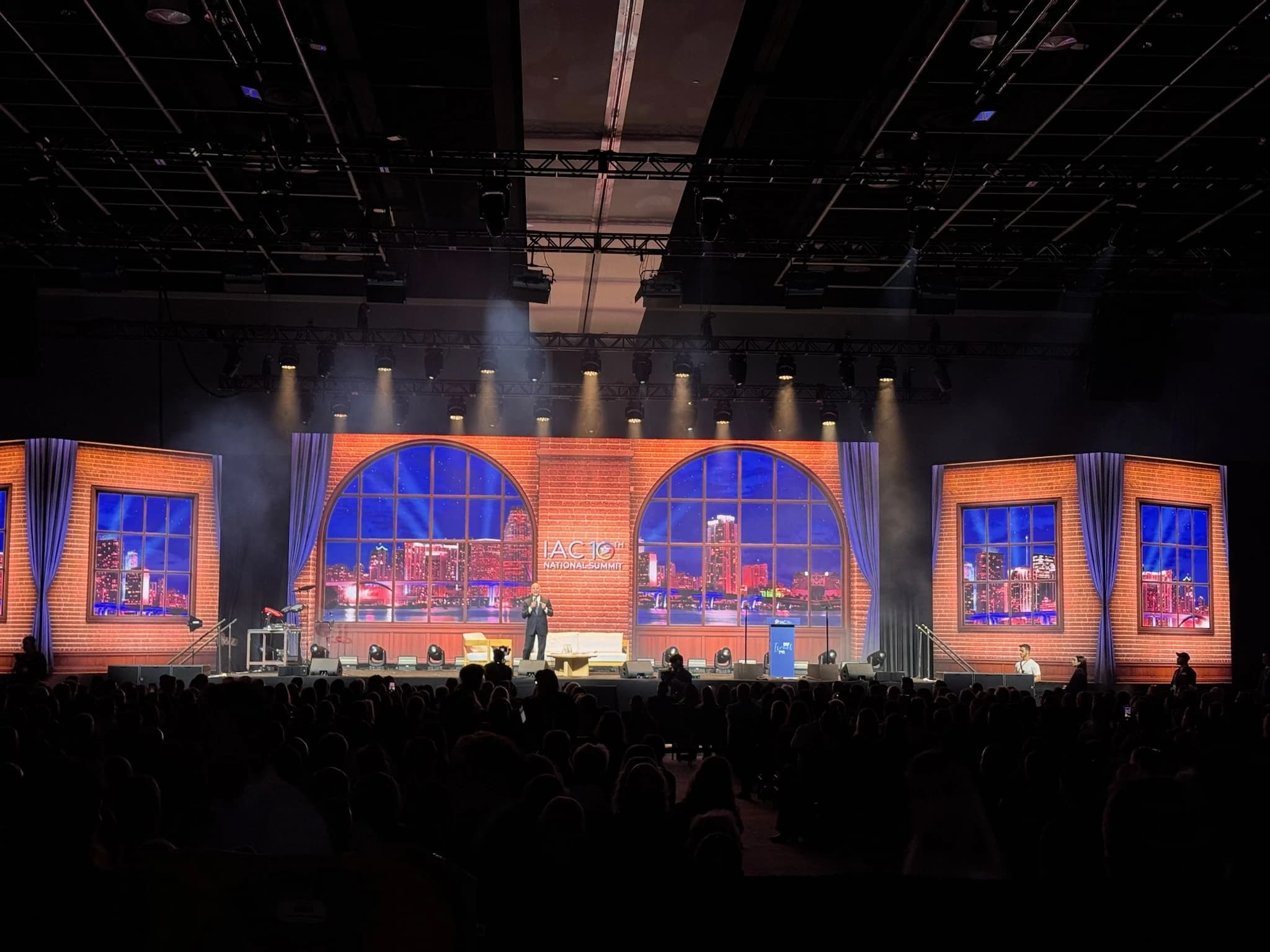
| Corporate or conference stage | 24×12 to 40×16 ft, 2–4 ft high | $2,000–$6,000 installed | Keynotes, panels, award shows, galas |
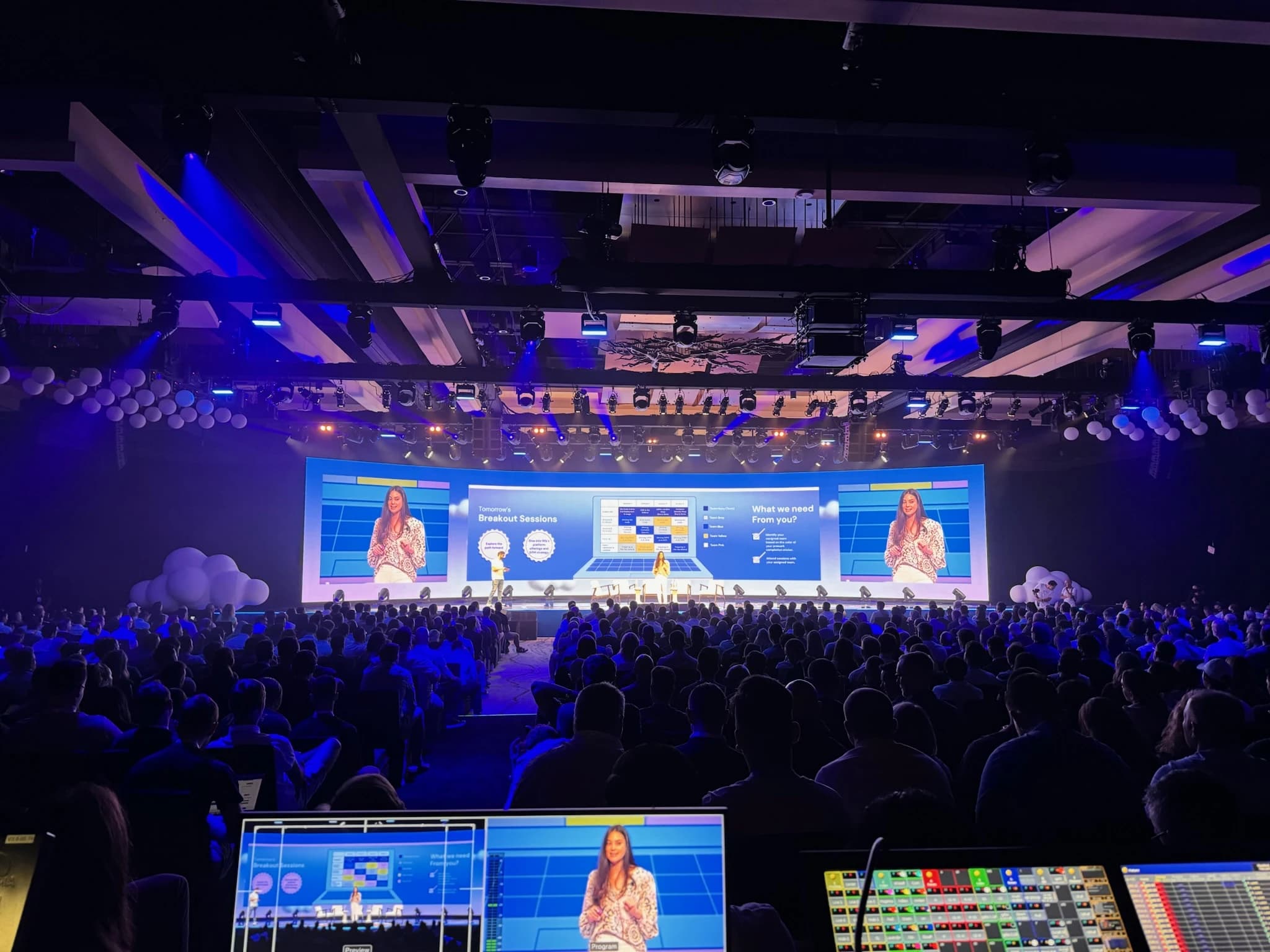
| Stage with overhead truss | 24×16 to 40×24 ft plus a truss structure | $2,500–$13,000 per event | Concerts, outdoor corporate events, stages carrying lights or LED |
| Mobile stage (hydraulic, with roof) | About 20×24 to 40×40 ft | $2,500–$10,000+ per day | Outdoor concerts, city events, fast outdoor builds |
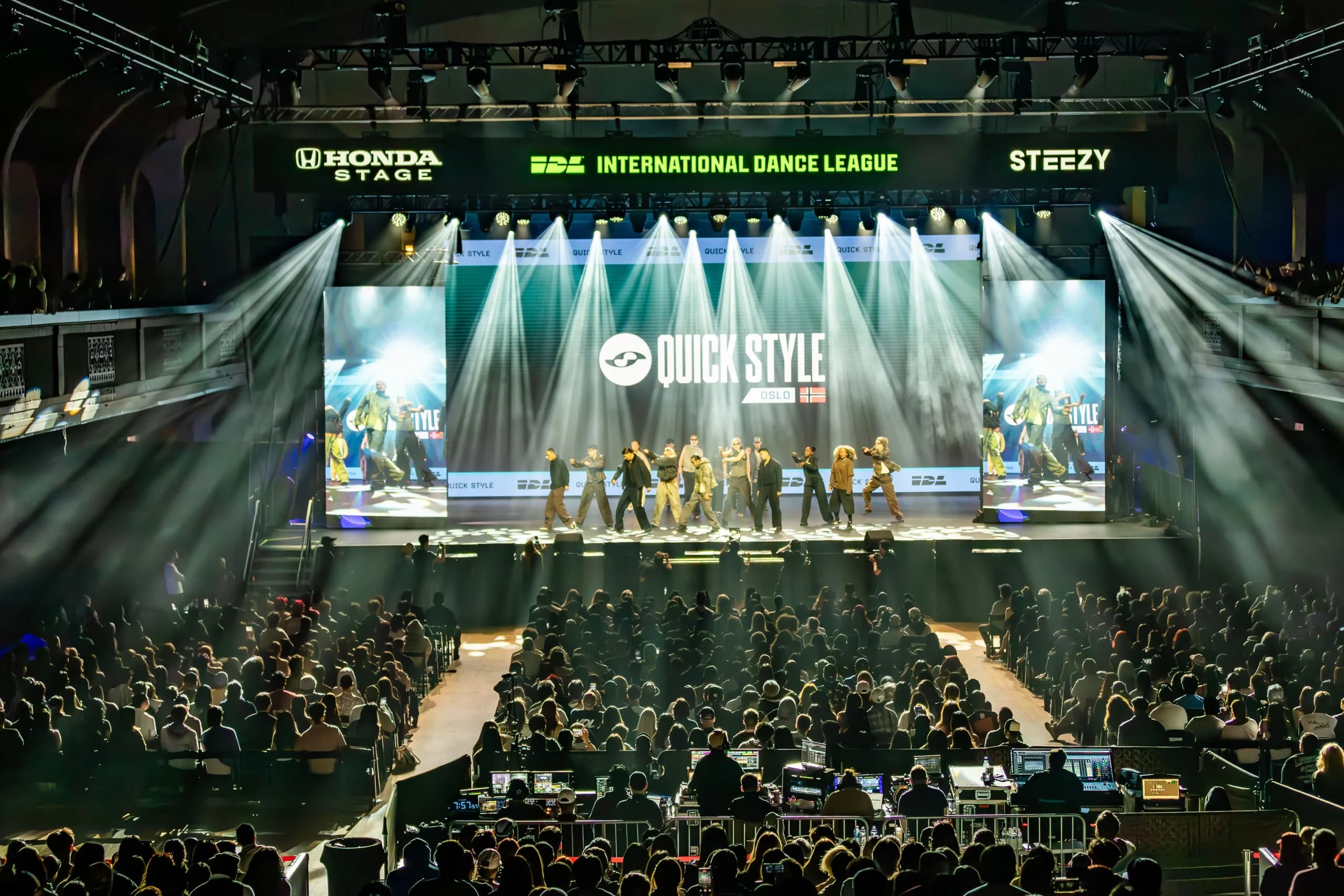
| Festival or concert main stage | 40×32 ft and up, with roof and wings | $10,000–$50,000+ | Festivals and large concerts |
Two things surprise people. The platforms are only part of the price — delivery, crew hours, height, and the items that make a stage safe and finished add up quickly. And these ranges cover the stage alone: stage lighting, LED walls, and sound are separate lines.
What drives the cost of a stage rental
Footprint
Most staging is priced by the 4×8-foot deck. A 24×12 stage is nine decks, a 24×16 is twelve, and a 40×24 is thirty — and every deck needs legs, bracing, and hands to set it. Size the stage to what’s actually on it plus working room, not to the width of the room.
Height
Indoor risers usually sit 16 to 24 inches high; stages for standing crowds and outdoor shows run four feet and up. Taller stages need more bracing, longer stair units, and guardrails on the open edges — and for outdoor events in the City of Los Angeles, anything over 30 inches brings an engineering requirement (more on that below).
Finish and code items
Skirting, carpet or painted tops, stair units, guardrails, and ADA ramps are each a line item. Ramps take more room than people expect: at the standard 1:12 slope, a 24-inch stage needs a ramp about 24 feet long, plus landings.
Truss, roof, and rigging
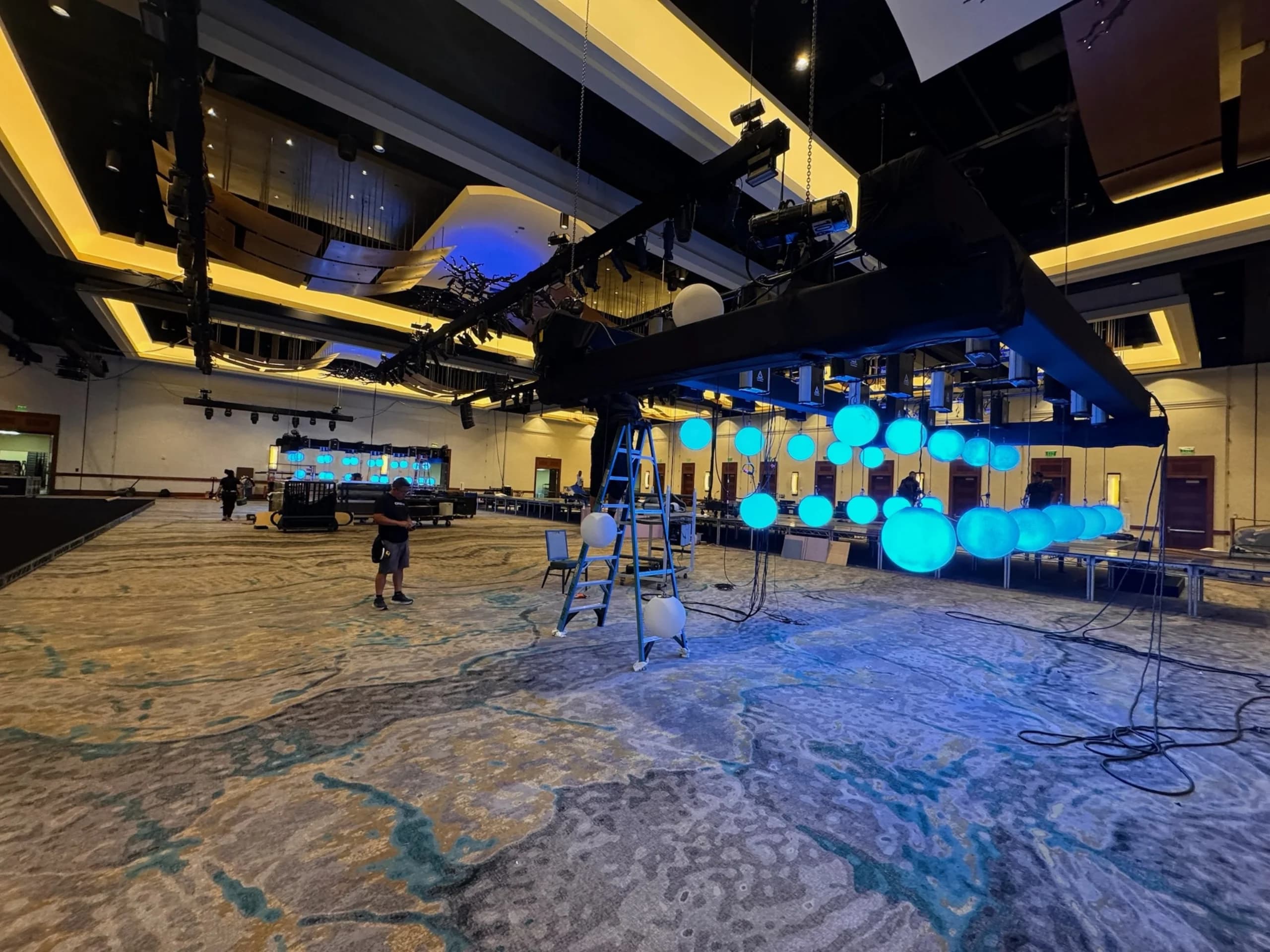
A stage that carries lights or an LED wall needs something to hang them from: the venue’s rigging points where they’re rated, or ground-supported truss — towers, goalposts, or a full roof — where they aren’t. The structure, the motors, and the riggers can rival the cost of the decks themselves. On our quotes, rigging and power are handled by our crew and itemized.
Labor, access, and the load-in window
Crew hours depend on the venue as much as the stage. A dock-level hotel ballroom builds fast; a hillside estate, a beach, or a downtown venue with a freight elevator and a four-hour window takes more people and more time. Overnight or split load-ins add labor.
How long you keep it
Most stages are priced per event — build, show days, and strike. Extra show days usually cost less than the first, because the build and the strike are where most of the labor goes.
What a stage quote in LA should include
- Decks, legs, and bracing for the full footprint, at the height you need
- Stairs, guardrails on open edges, and an ADA ramp where required
- Skirting and the top finish — carpet, paint, or a dance floor
- Truss or ground support, motors, and riggers if anything flies over the stage
- Engineering and permit support for outdoor builds
- Delivery, crew hours for build and strike, and any overnight labor
- The certificate of insurance your venue will ask for
If a quote is a single line — “stage, $4,500” — ask what’s in it. The cheapest bid usually leaves out the rails, the ramp, or the crew, and those come back as change orders on load-in day.
The 30-inch rule: stage permits in the City of Los Angeles
For outdoor events in the City of Los Angeles, temporary structures need a Temporary Special Event permit from the Department of Building and Safety. Stages or platforms more than 30 inches above grade are on that list, and they need approved engineering before the inspection. So is anything taller than 12 feet — which covers most truss roofs and lighting goalposts.
The Fire Department has to approve the event’s safety plan before Building and Safety will take the application, and events longer than seven days need a building permit instead. Santa Monica, Pasadena, Long Beach, and the other cities in the county run their own processes, and indoor venues set their own rules for stage height and railings.
The budget lesson: keep an outdoor stage at or under 30 inches when the sightlines allow it, and when they don’t, plan for the engineering and start the permit conversation early. Every stage we build is drawn, engineered, and load-rated before it goes up — indoors or out.
How to save on a stage rental without cutting safety
Right-size the footprint
List everything that goes on the stage — people, instruments, lectern, LED — and size to that plus working room. Four fewer decks is four fewer decks to deliver, set, and skirt.
Stay at or under 30 inches outdoors
In the City of LA it keeps the stage itself off the permit list, and a lower stage needs shorter stairs and a shorter ramp.
Put the stage, lighting, LED, and audio on one plot
When one crew draws the stage around the LED and the lighting, nothing gets re-hung on site, and there is one load-in to pay for instead of three.
Book early
Four to eight weeks ahead is right for most events; large or touring builds and peak season (October through December) want two to three months. Early dates keep you on the crew and the gear you asked for.
Ask for an itemized quote
An itemized quote shows what the height, the finish, and the load-in each add — and gives you something honest to compare other bids against.
How we price a stage
We start with the stage plot — drawn around your LED, lighting, and audio — then build it in our shop and set it on-site, engineered and load-rated for what it carries. The quote comes back itemized against that plot, so the number explains itself. See stage rental and event staging, or send us the venue and the date for a number built for your room.
Frequently asked questions
How much does it cost to rent a stage in Los Angeles?
Most event stages in Los Angeles rent for about $2,000–$6,000 installed. A small portable stage or riser runs about $300–$2,000, a stage with an overhead truss about $2,500–$13,000 per event, and a festival or concert main stage $10,000–$50,000 or more. Footprint, height, finish, labor, and venue access set the final number.
How much does a portable stage rental cost?
About $300–$2,000 for a portable stage or riser, depending on size and height, plus delivery and setup. Stairs, skirting, guardrails, and an ADA ramp are usually separate lines.
How much does a mobile stage cost to rent?
Hydraulic mobile stages with a built-in roof typically run $2,500–$10,000 or more per day, depending on the model, the travel distance, and the crew included.
Do I need a permit for a stage in Los Angeles?
For outdoor events in the City of Los Angeles, a stage or platform more than 30 inches above grade needs a Temporary Special Event permit from the Department of Building and Safety, with approved engineering before inspection. Structures taller than 12 feet need one too. Other cities in LA County and indoor venues set their own rules.
What size stage do I need?
Size it to what goes on it plus working room. A lectern and a four-person panel fit on about 24×12 feet; bands, LED walls, and choreography need more. Height follows sightlines: about 18–24 inches for a seated ballroom, four feet or more for a standing crowd.
How far in advance should I book a stage rental in LA?
Four to eight weeks for most events; two to three months for large or touring builds and for peak season, October through December.
Planning an event in LA?
Get a clear, itemized quote.
Tell us the venue, the date, and the scope. We’ll spec the LED, lighting, and audio to your room — with an on-site crew through strike.
Get Your Quote or call (323) 974-54735.0 · 300+ Google reviews