Know what you’re asking for
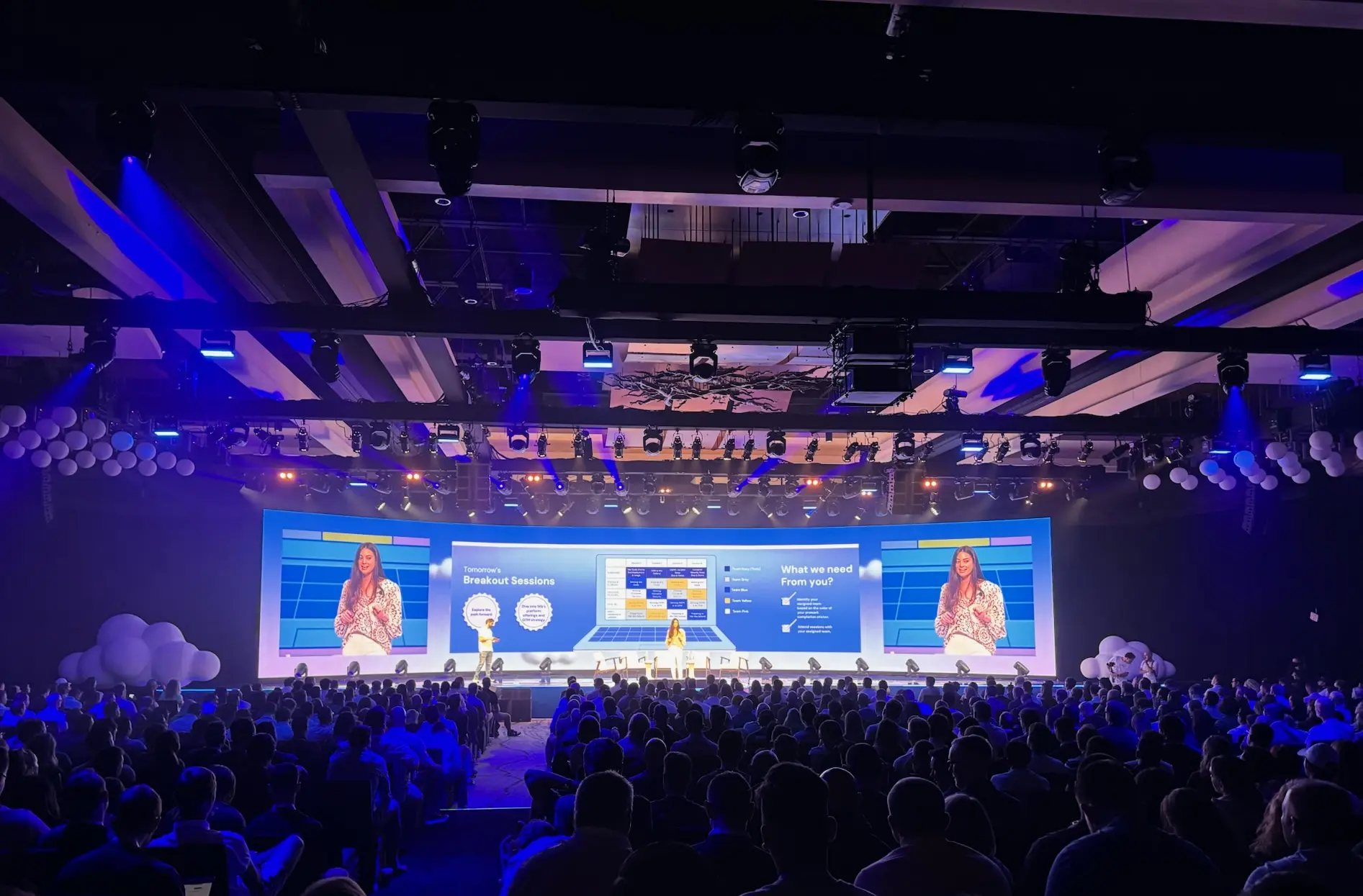
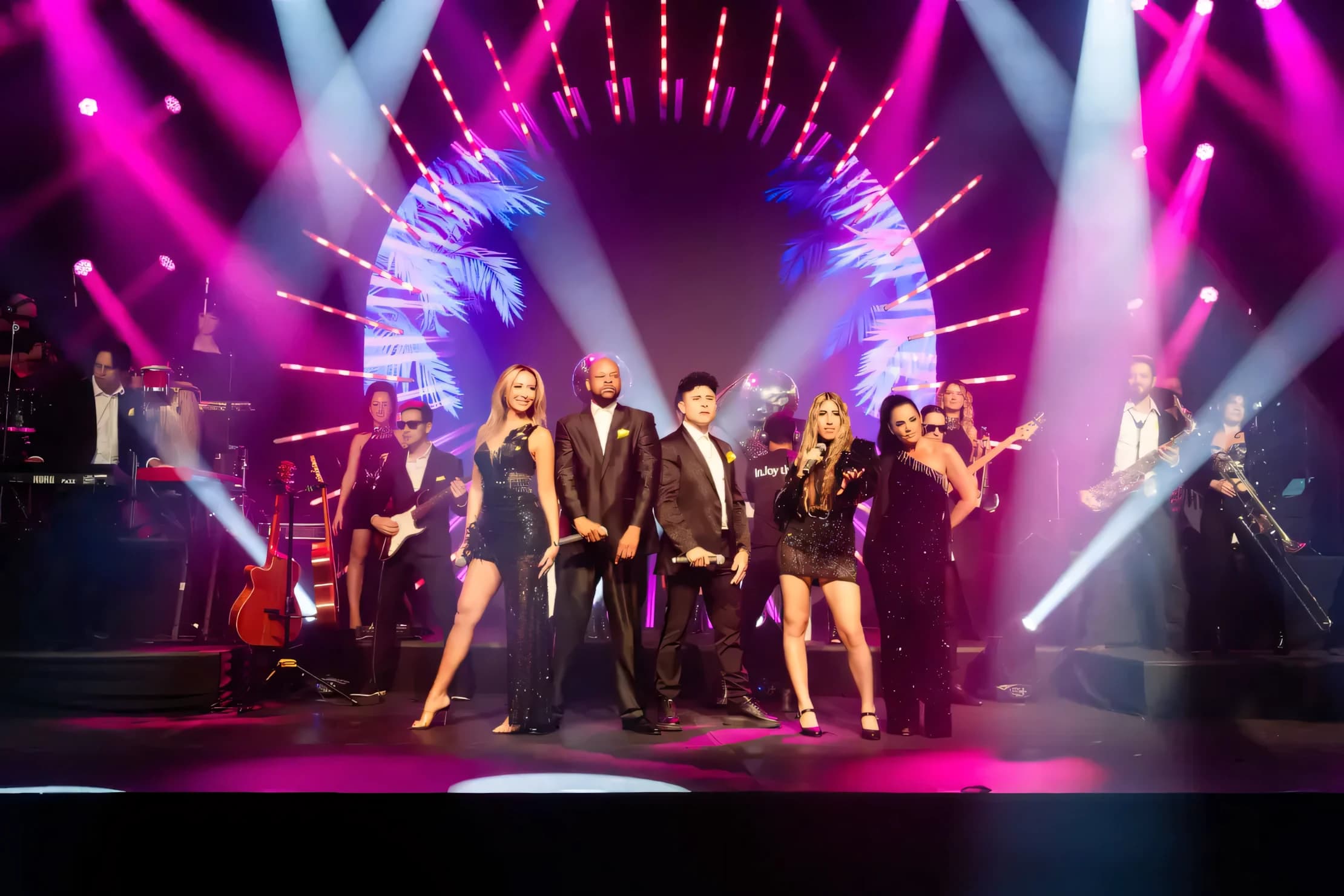
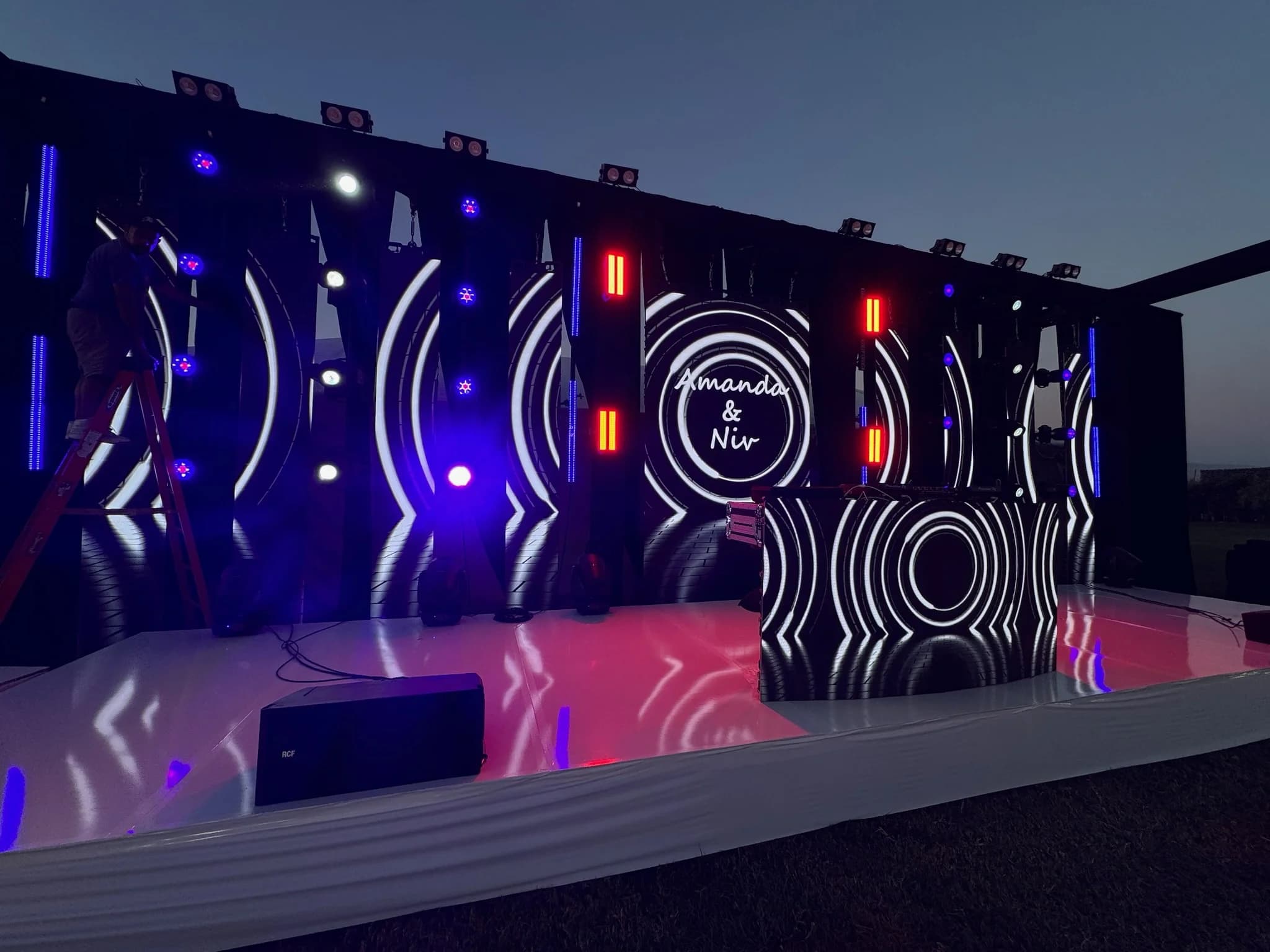
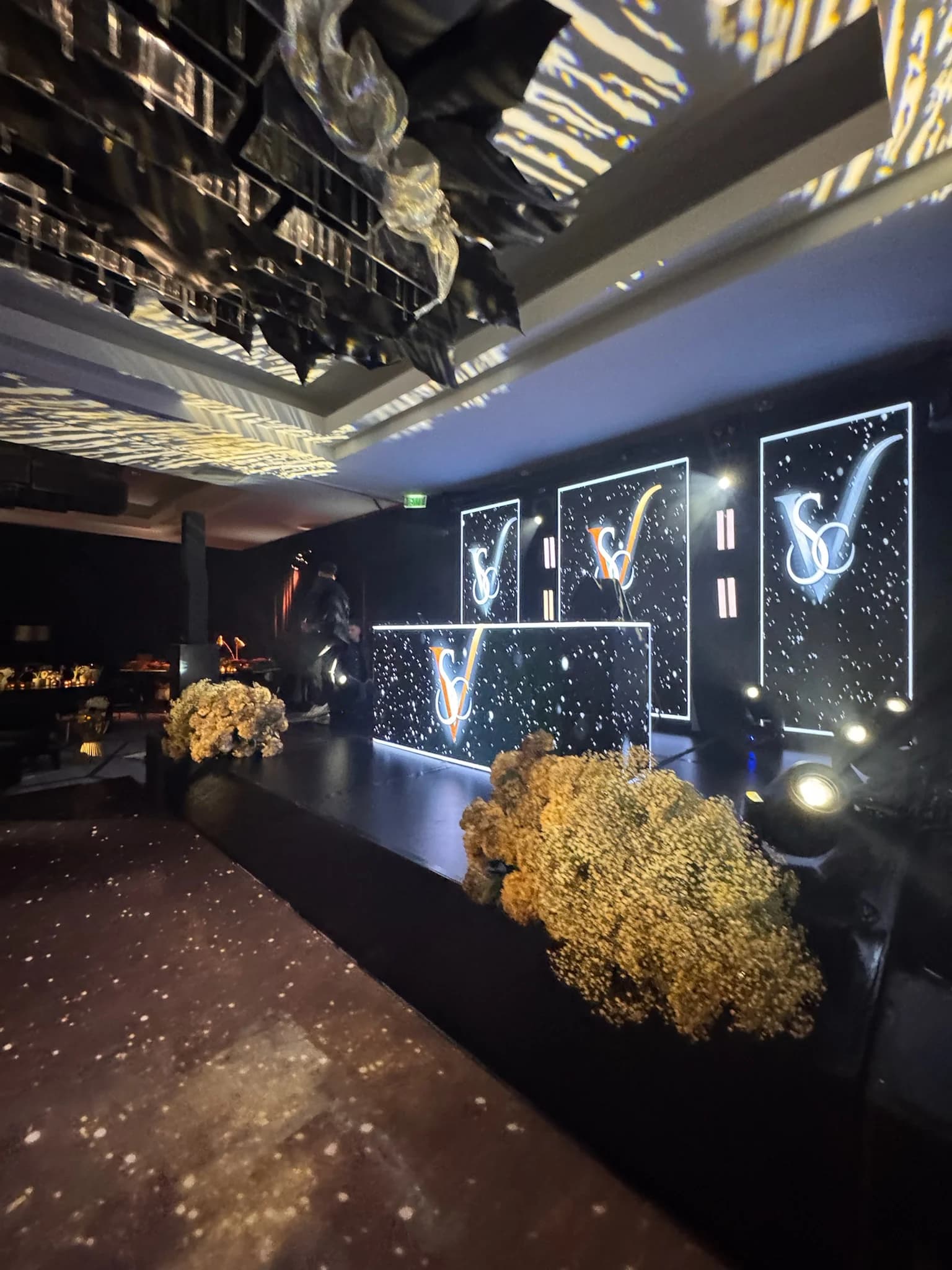
Most lighting briefs are vague because the vocabulary is unfamiliar — not because the producer doesn’t know what they want. Here’s the language, so you can tell us what your Austin room needs instead of describing it twice. Every piece below is something we own, hang, and run ourselves — no brokered sub-rentals arriving the week of your show.
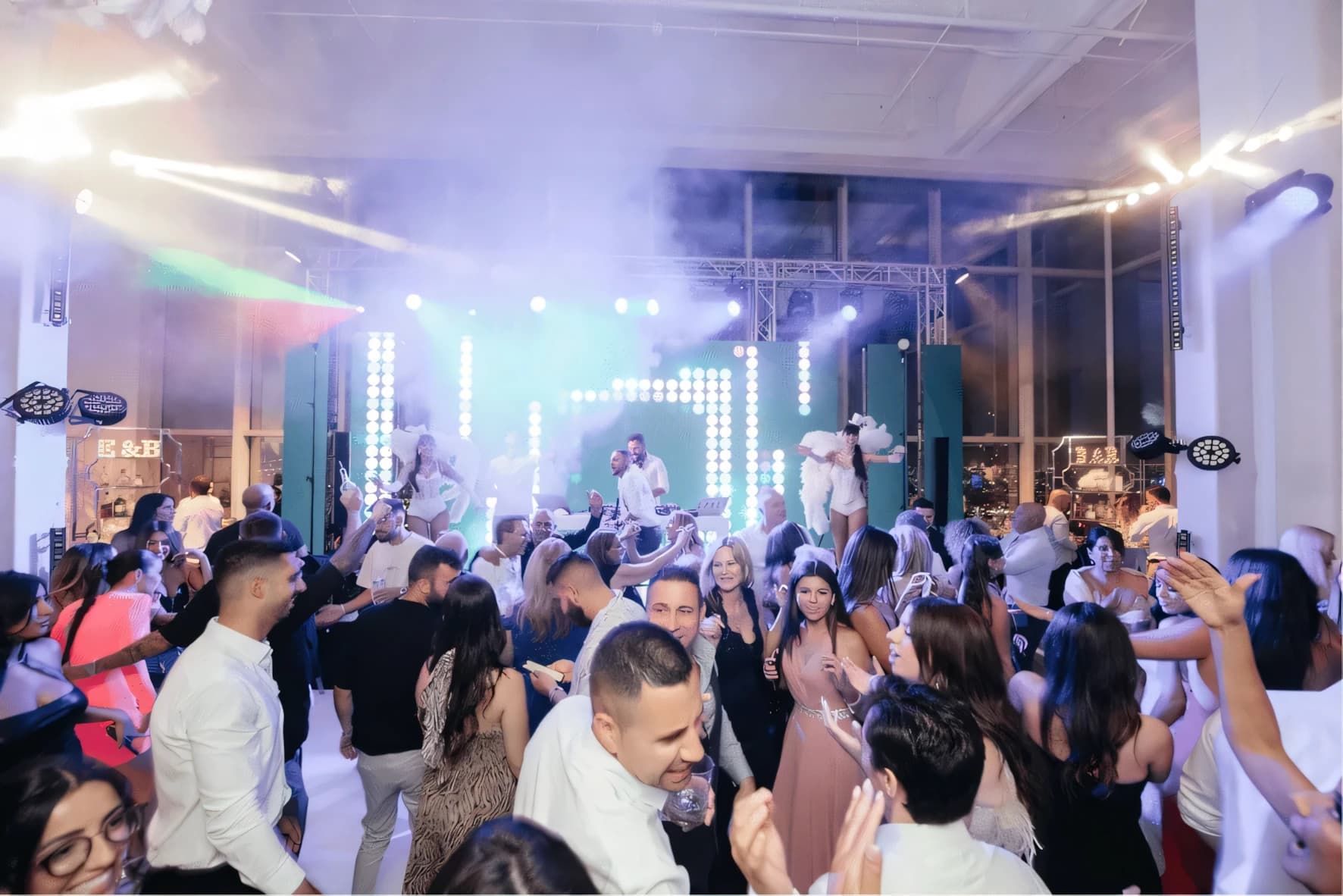
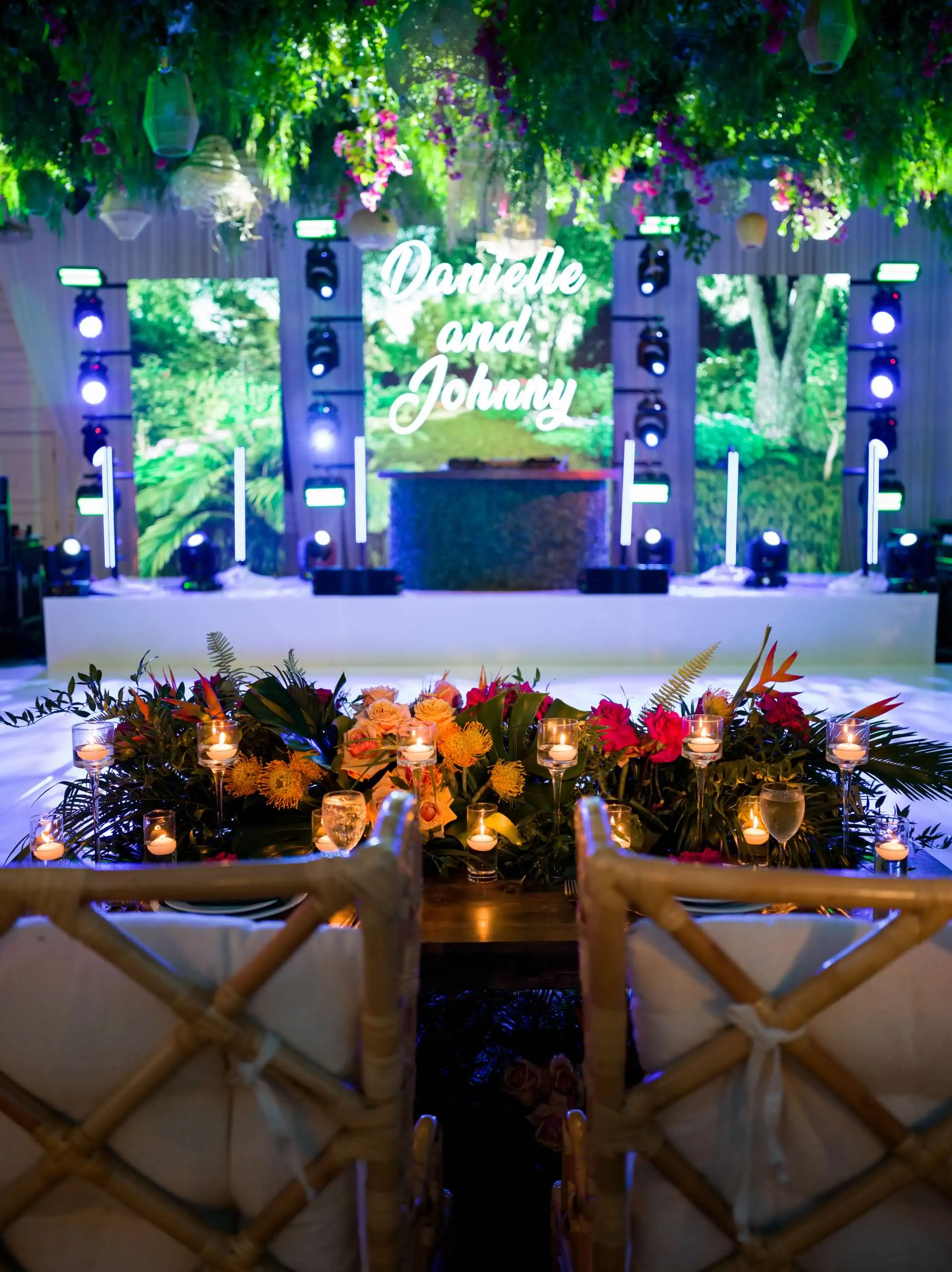
RoomUplight
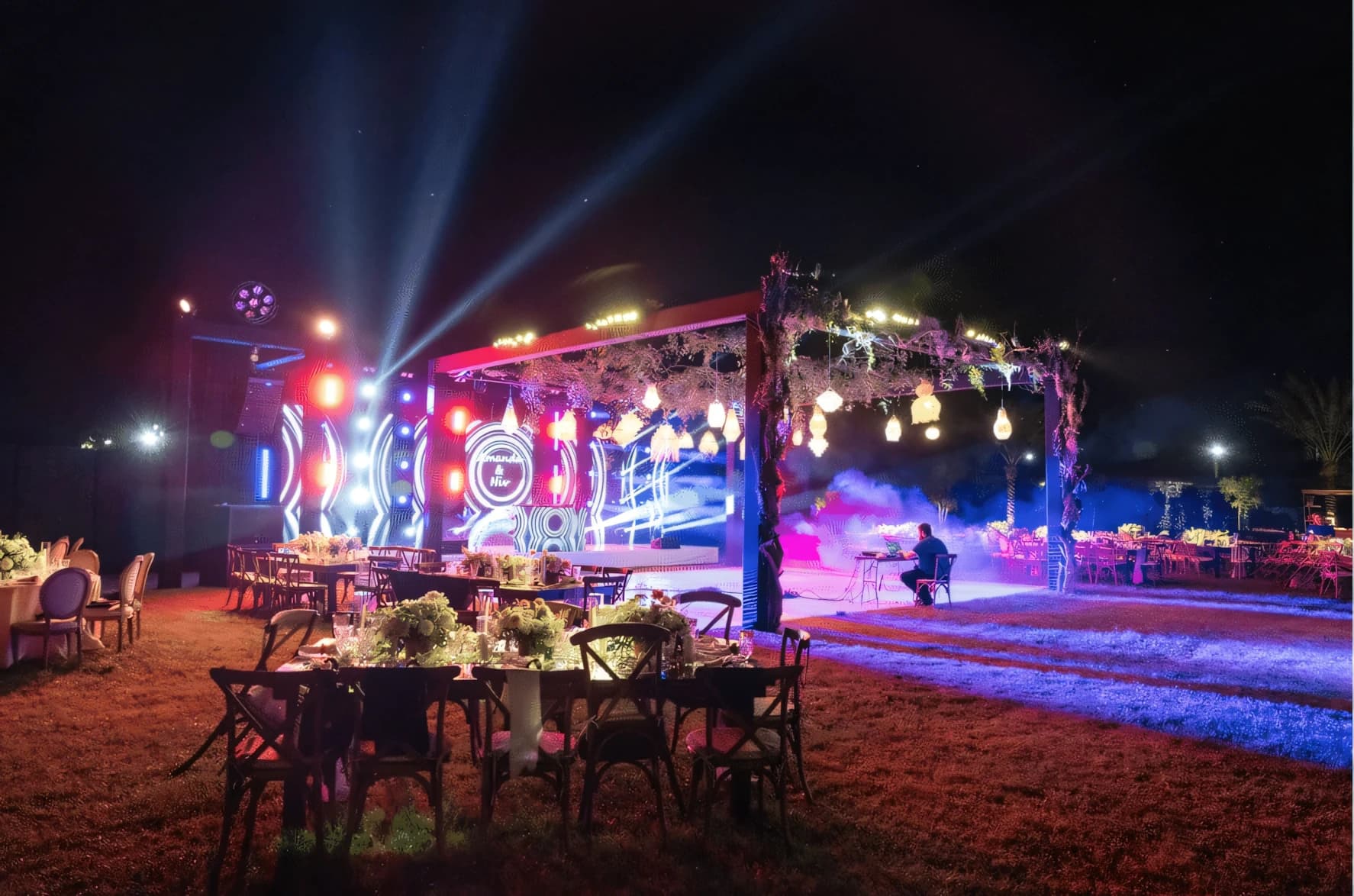
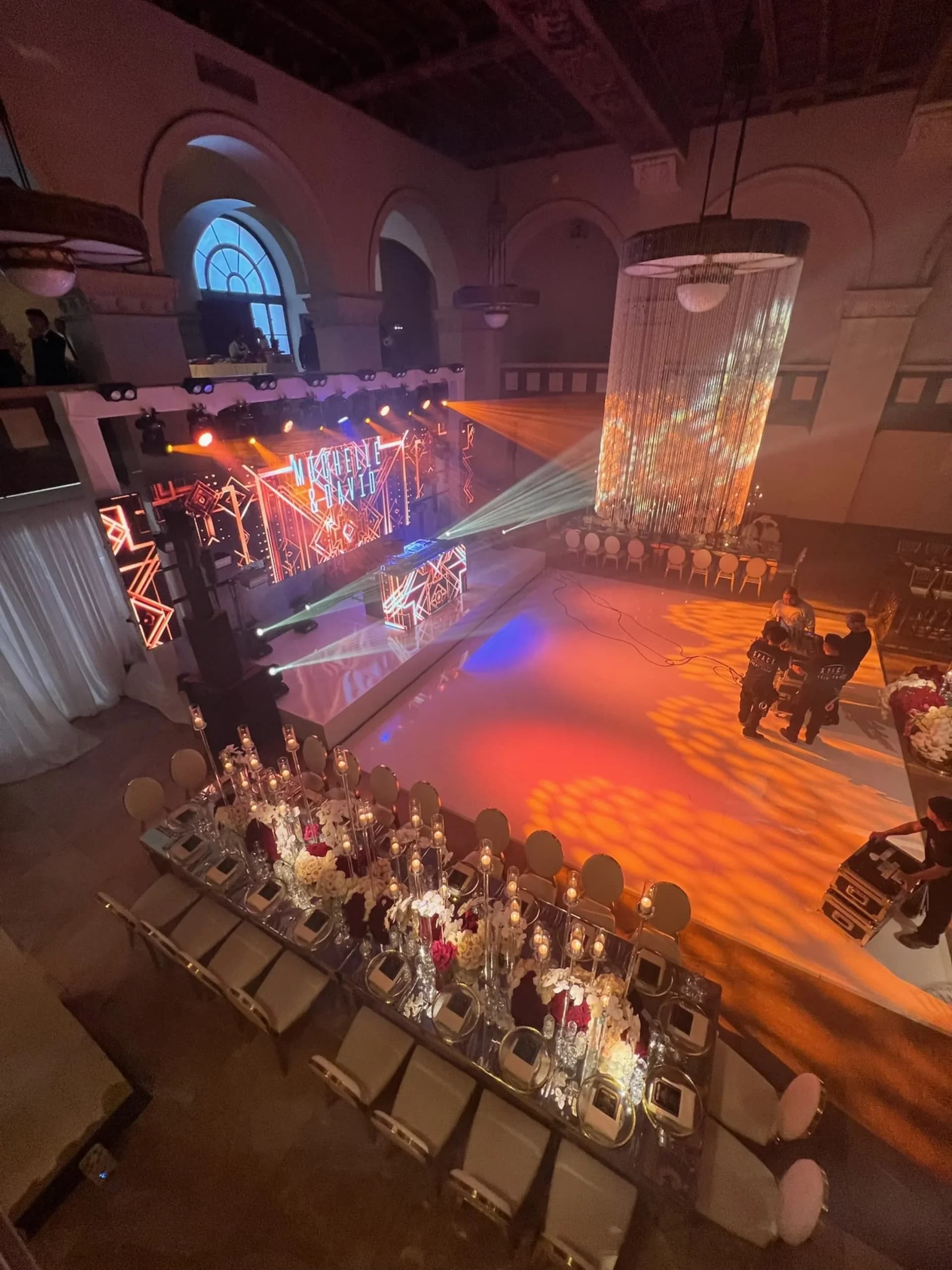
A fixture sitting on the floor aimed up a wall, column, or drape, washing it in colour.
Ask for it when: When the room itself is the backdrop. Ballrooms, tents, and anywhere bare walls would photograph flat.
CoverageWash light
A soft, wide beam covering an area evenly from above — a stage, a dance floor, a run of tables.
Ask for it when: When the room needs to be lit rather than spotlit: dinner, mingling, anything where guests need to see each other’s faces.
Front lightKey light
The front light that makes a presenter readable — the difference between a face and a silhouette.
Ask for it when: On anything with a camera. Skip it and the room looks fine while the recording comes back unusable.
SeparationBack / rim light
A fixture behind and above the subject that puts a rim of light on their shoulders and hair.
Ask for it when: Any stage with an LED wall or dark drape behind it — it stops the speaker melting into the background.
Hard edgeLeko (ellipsoidal)
A hard-edged fixture you can shutter to a precise shape and drop a pattern into.
Ask for it when: When light has to land exactly on something and nowhere else — a podium, an award table, a piece of art.
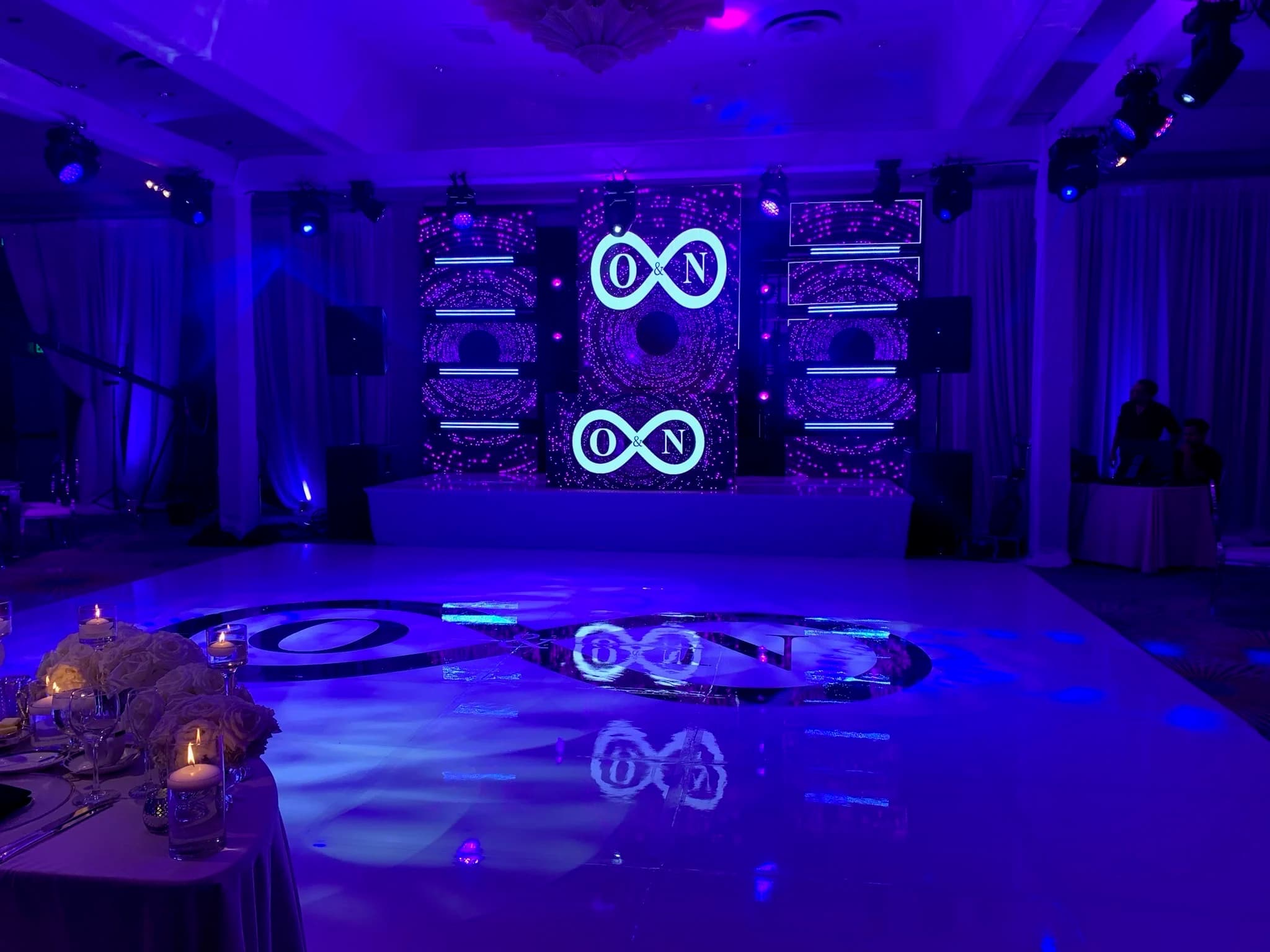
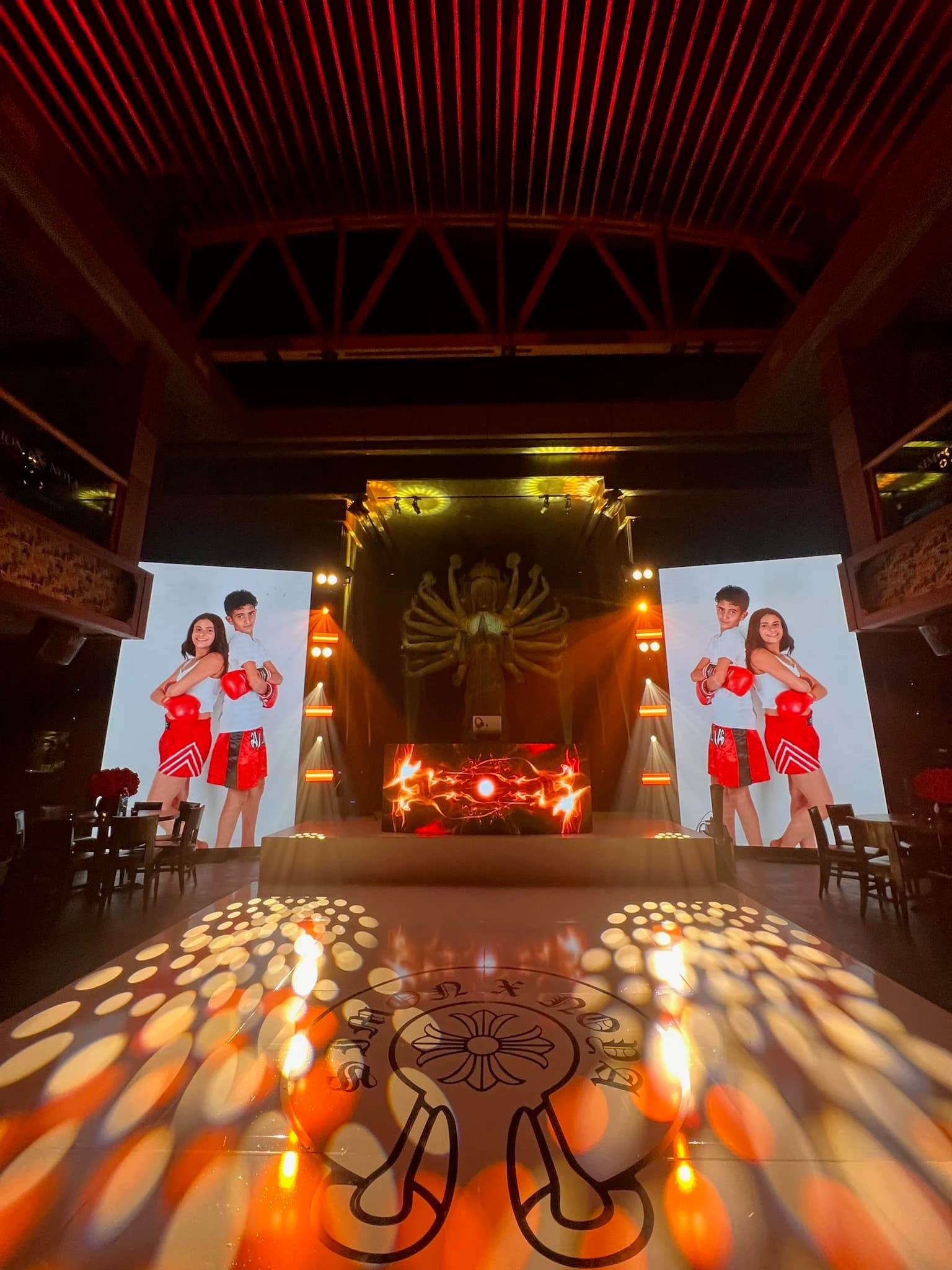
PatternGobo
A cut metal or glass pattern inside a leko that projects a shape: a logo, a monogram, foliage, texture.
Ask for it when: When you want the brand on a wall without printing a banner, or texture across a surface that’s otherwise blank.
AccentPinspot
A very narrow beam aimed at a single object from across the room.
Ask for it when: When centrepieces, a cake, or a product have to read in a room you’ve deliberately kept dark.
OperatedFollowspot
A spotlight run by a person, tracking someone as they move.
Ask for it when: Award shows, entrances, and any moment where one person has to be found instantly in a dark room.
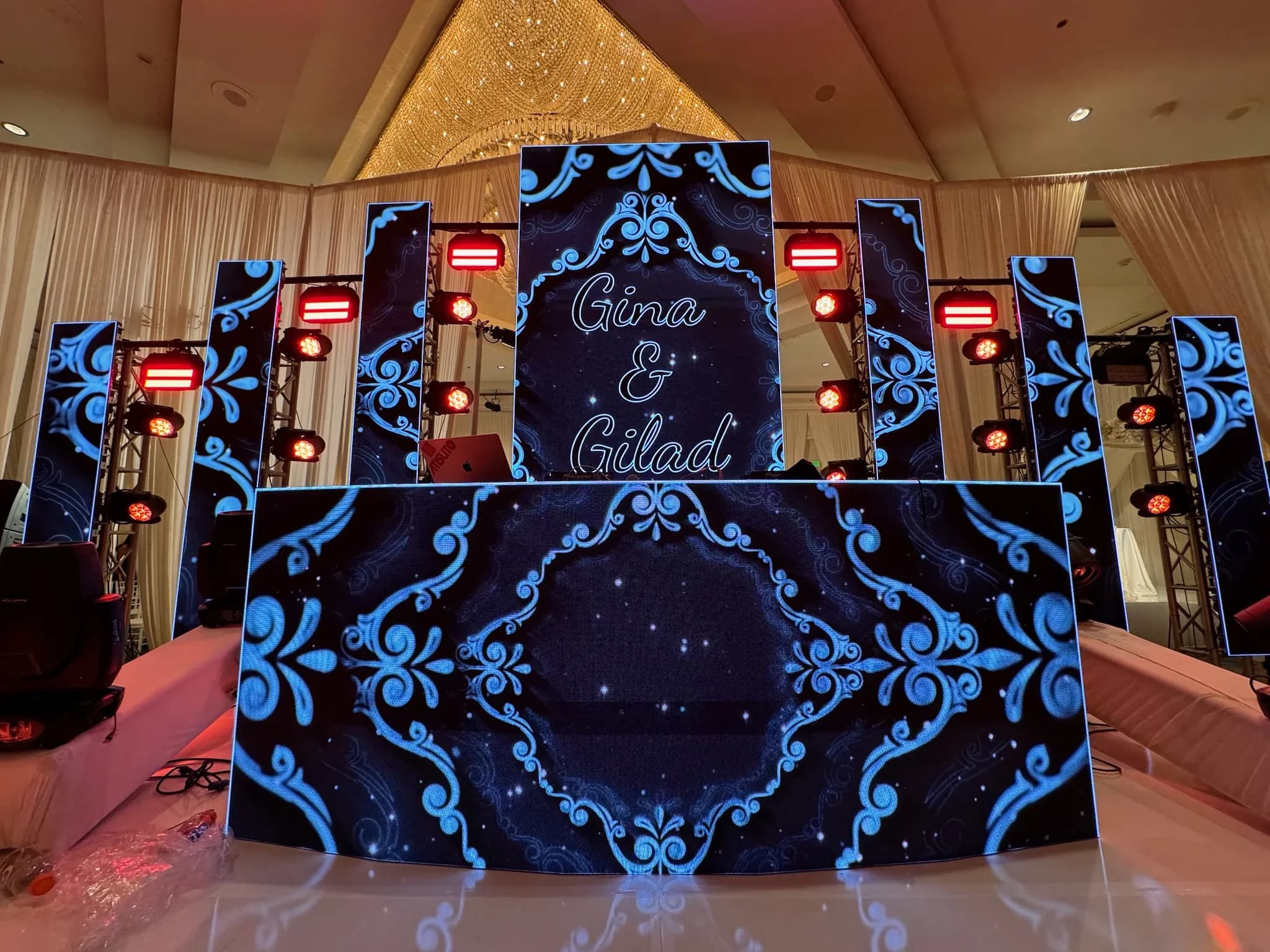
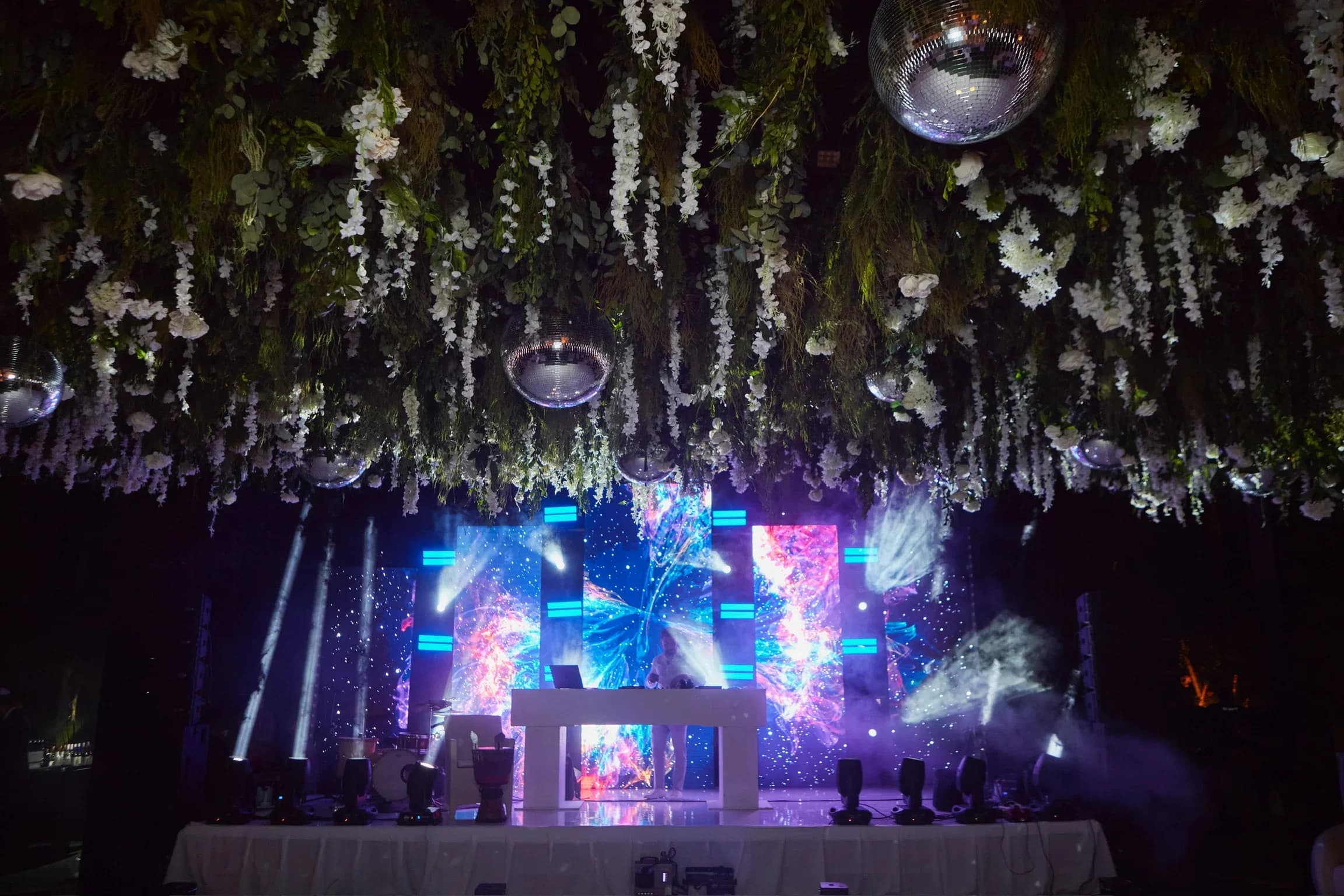
ProgrammableMoving head
A motorised fixture that pans, tilts, changes colour, and reshapes its beam on cue.
Ask for it when: When the room has to look different between segments without anyone walking in to re-aim anything.
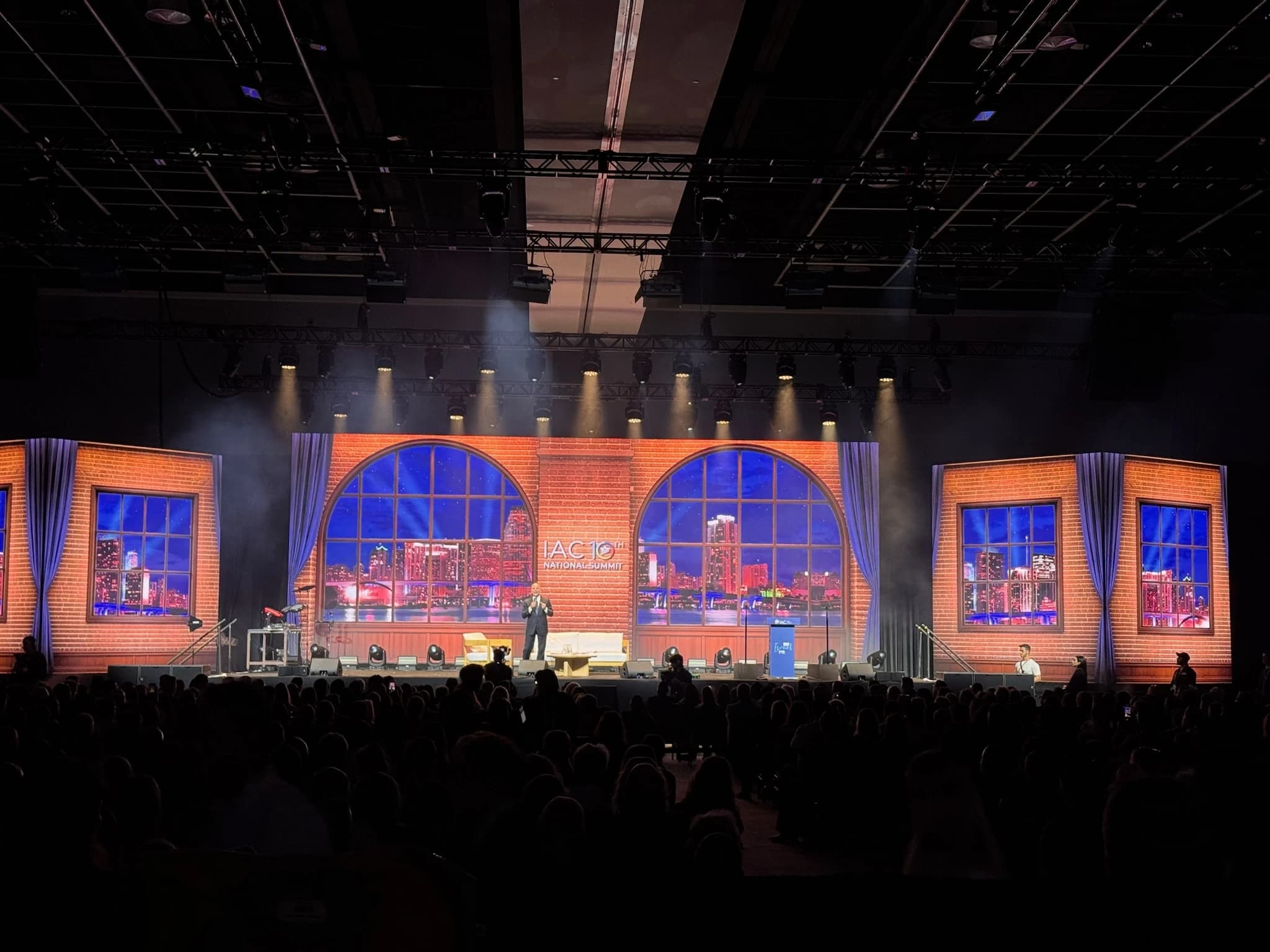
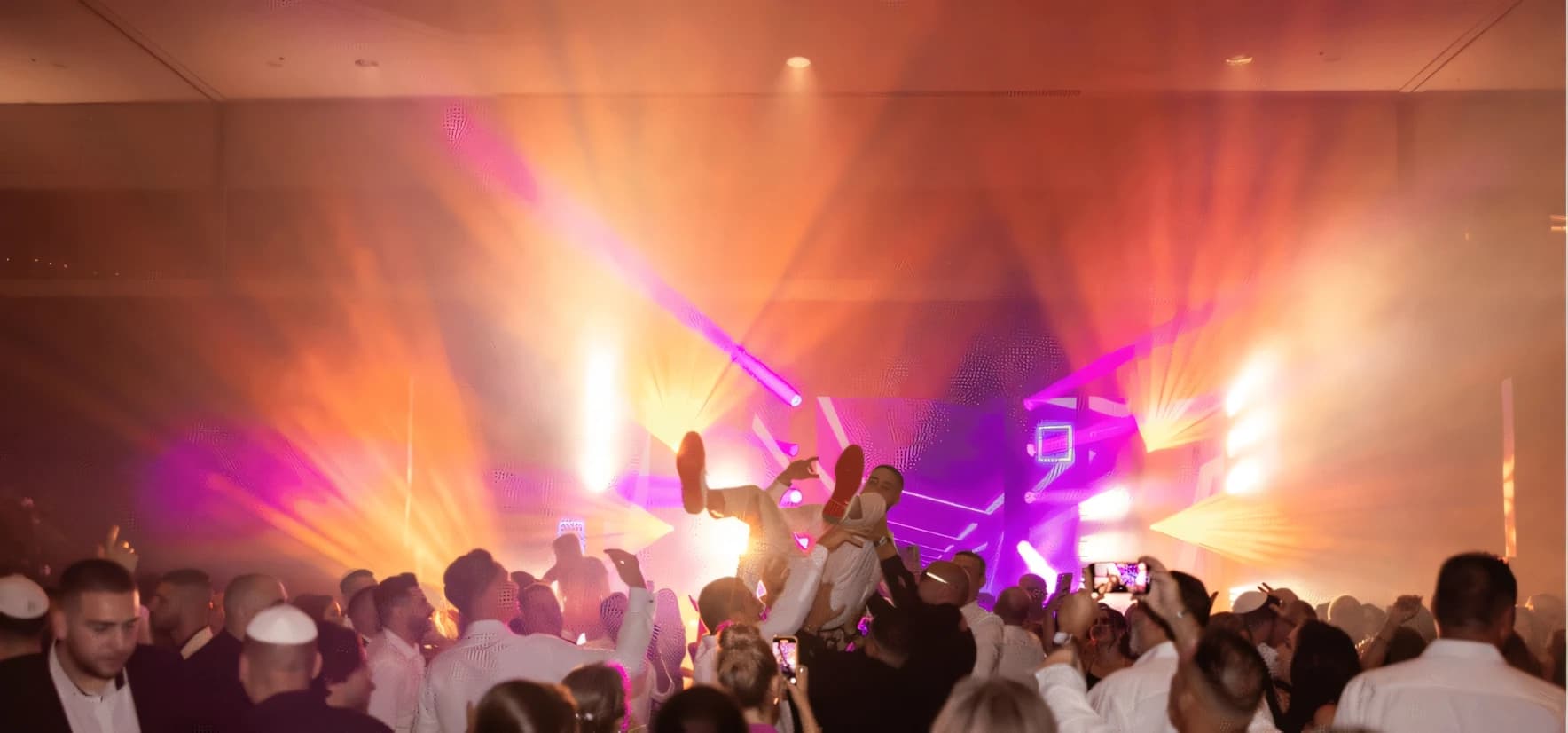
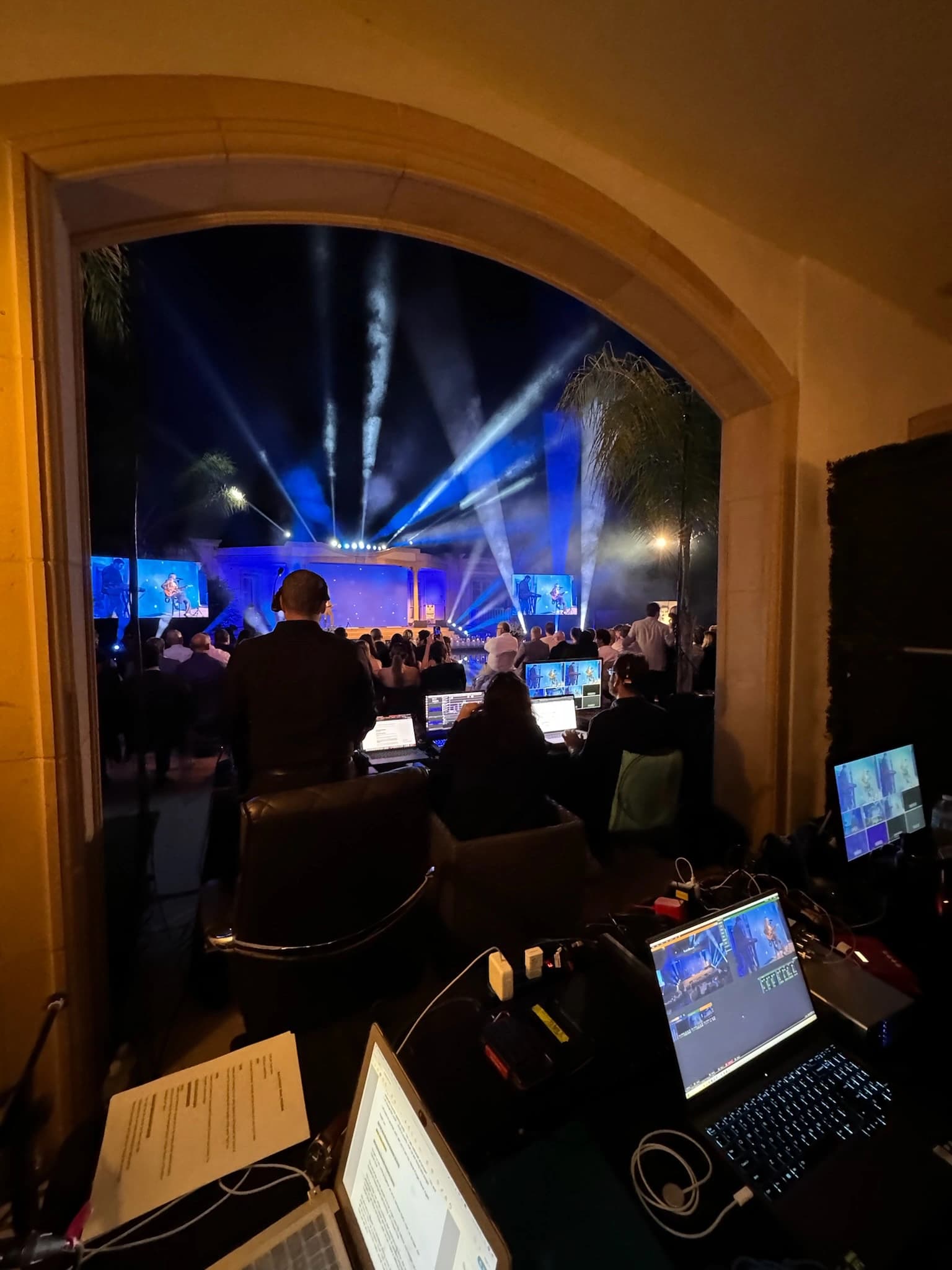
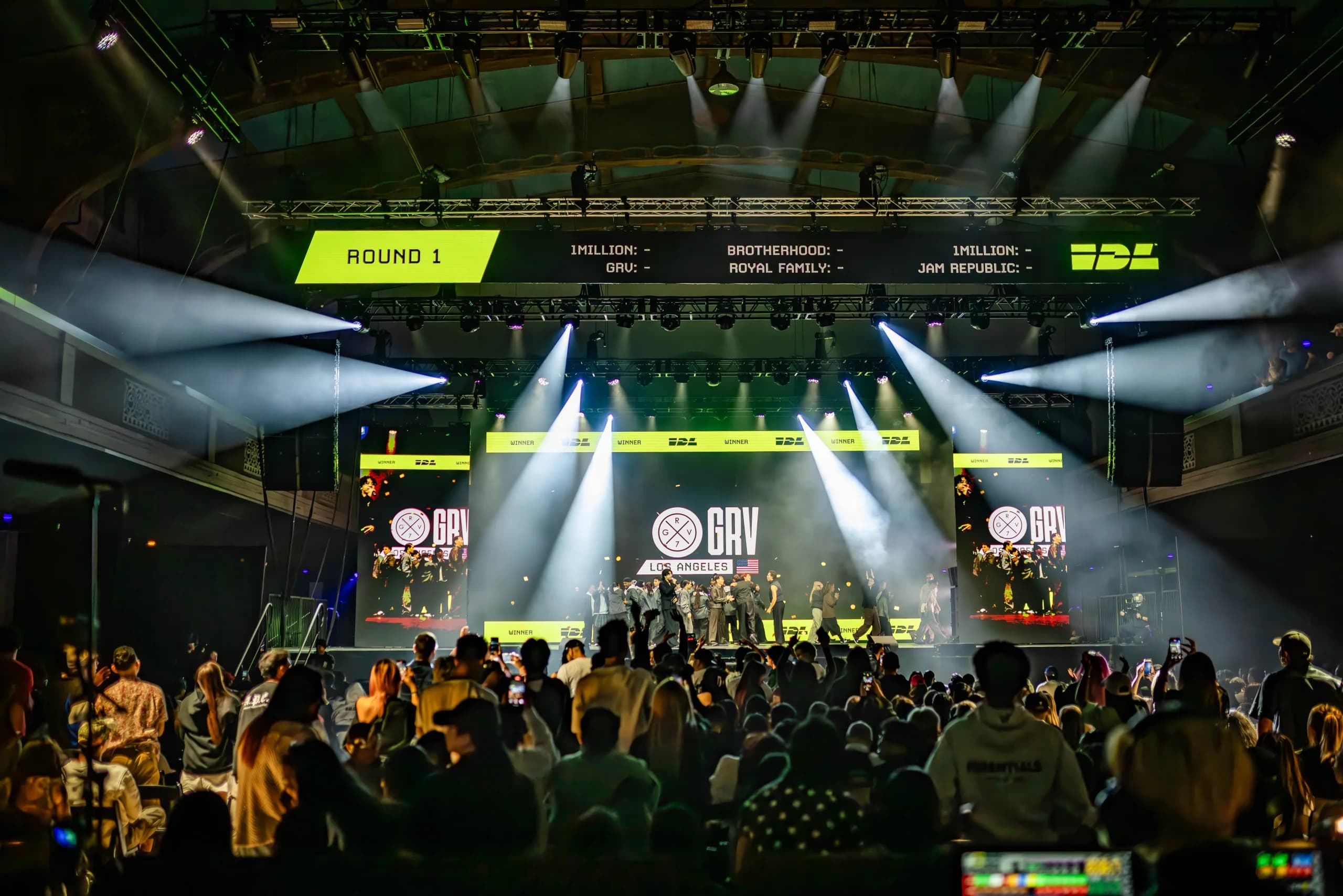
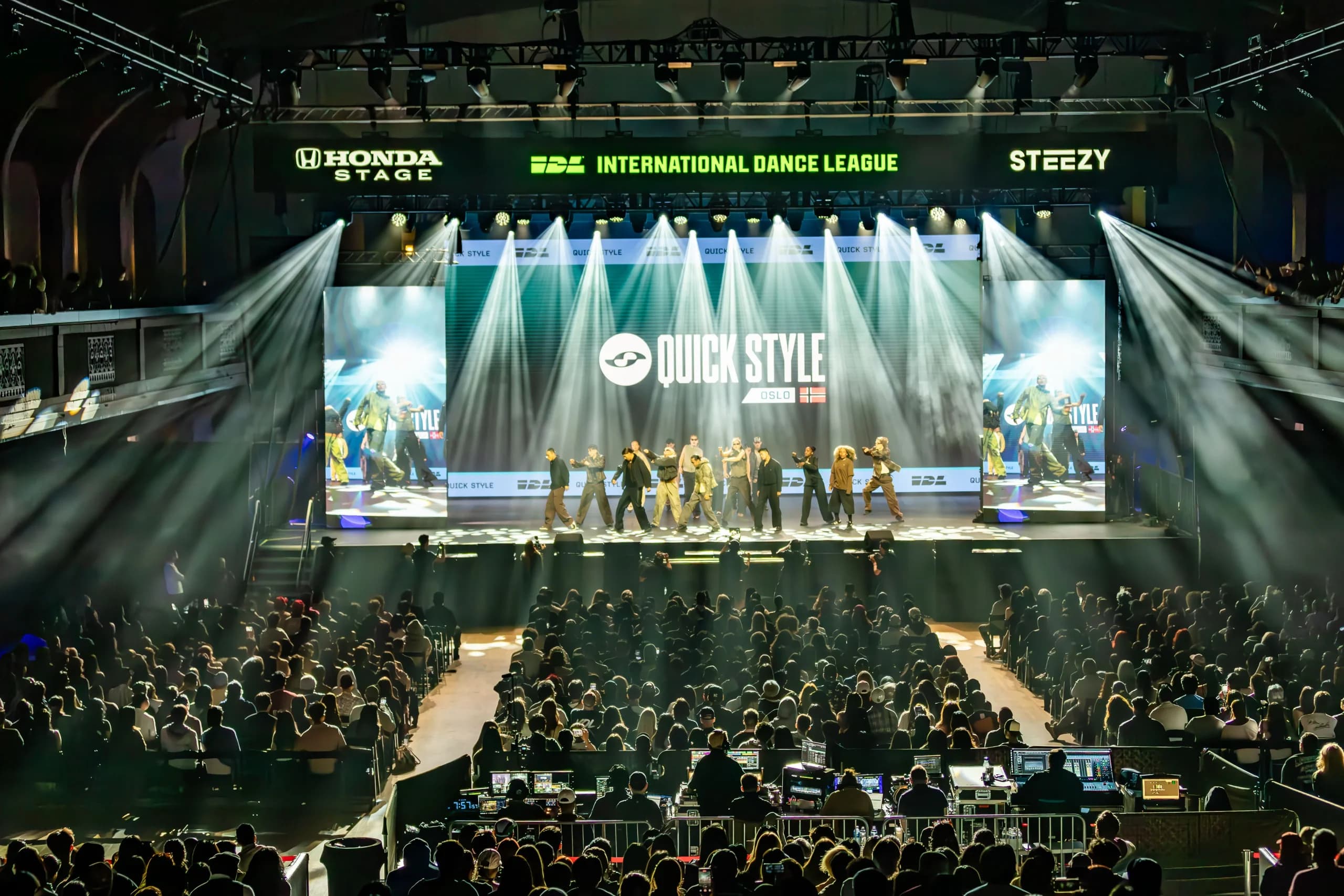
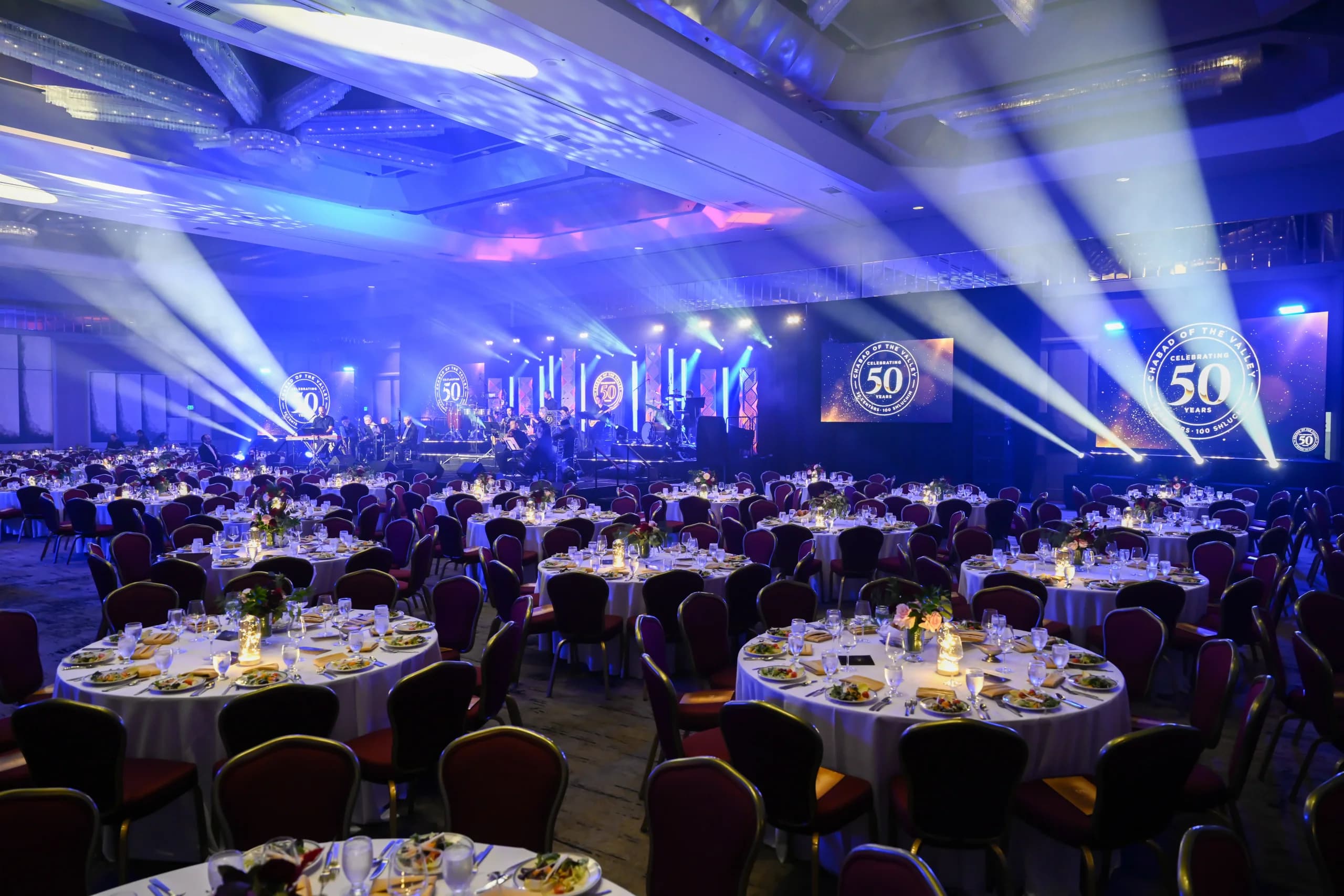
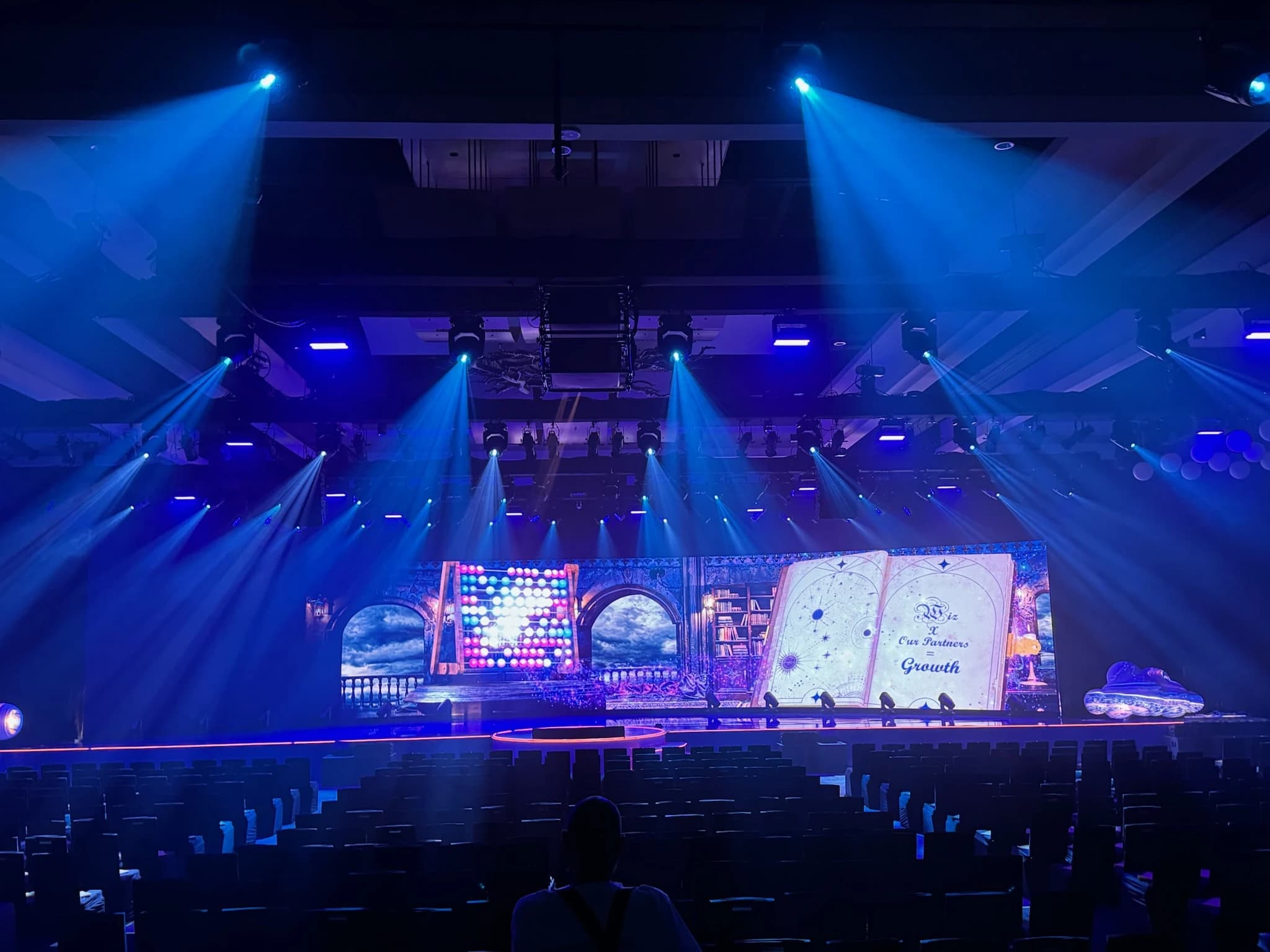
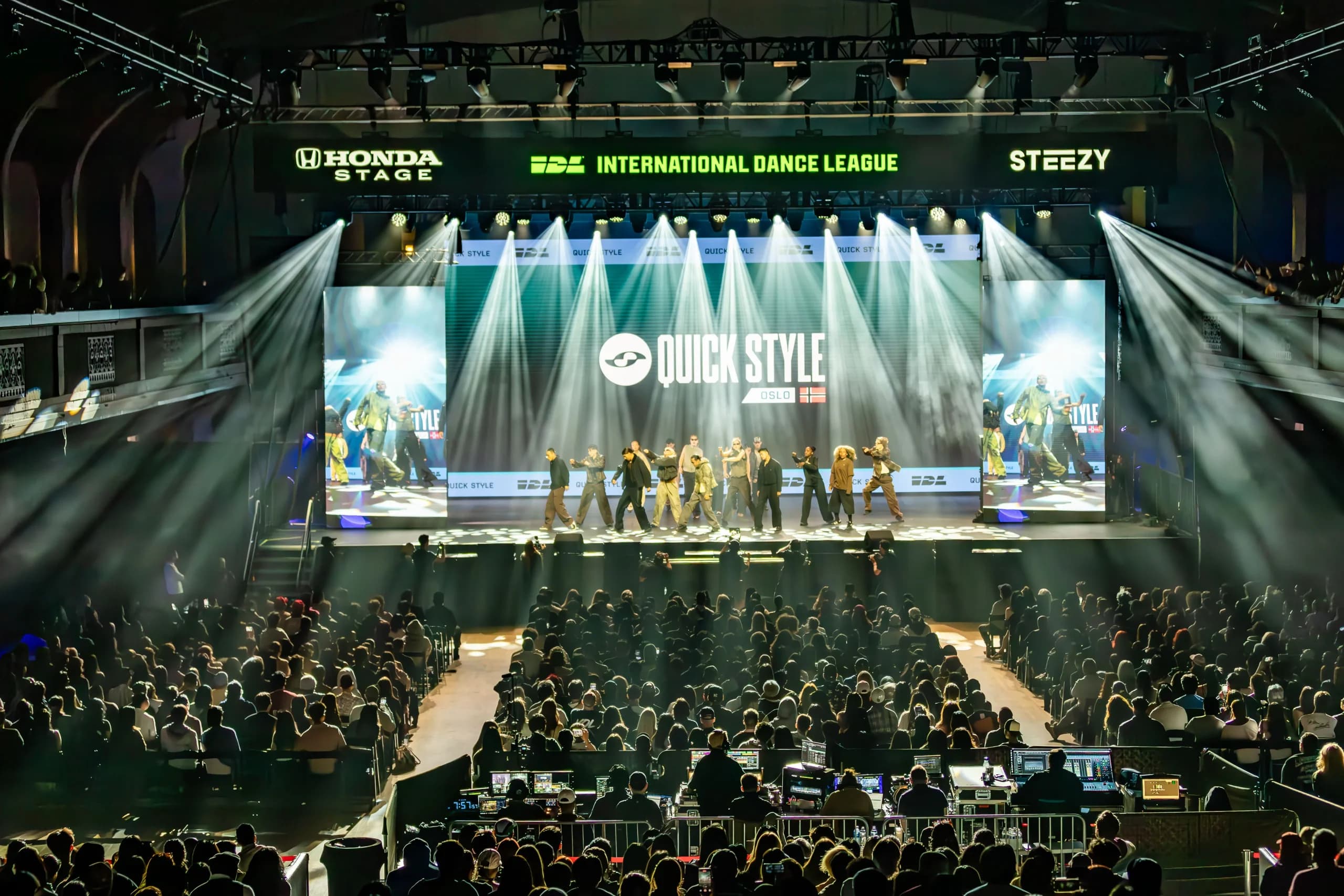
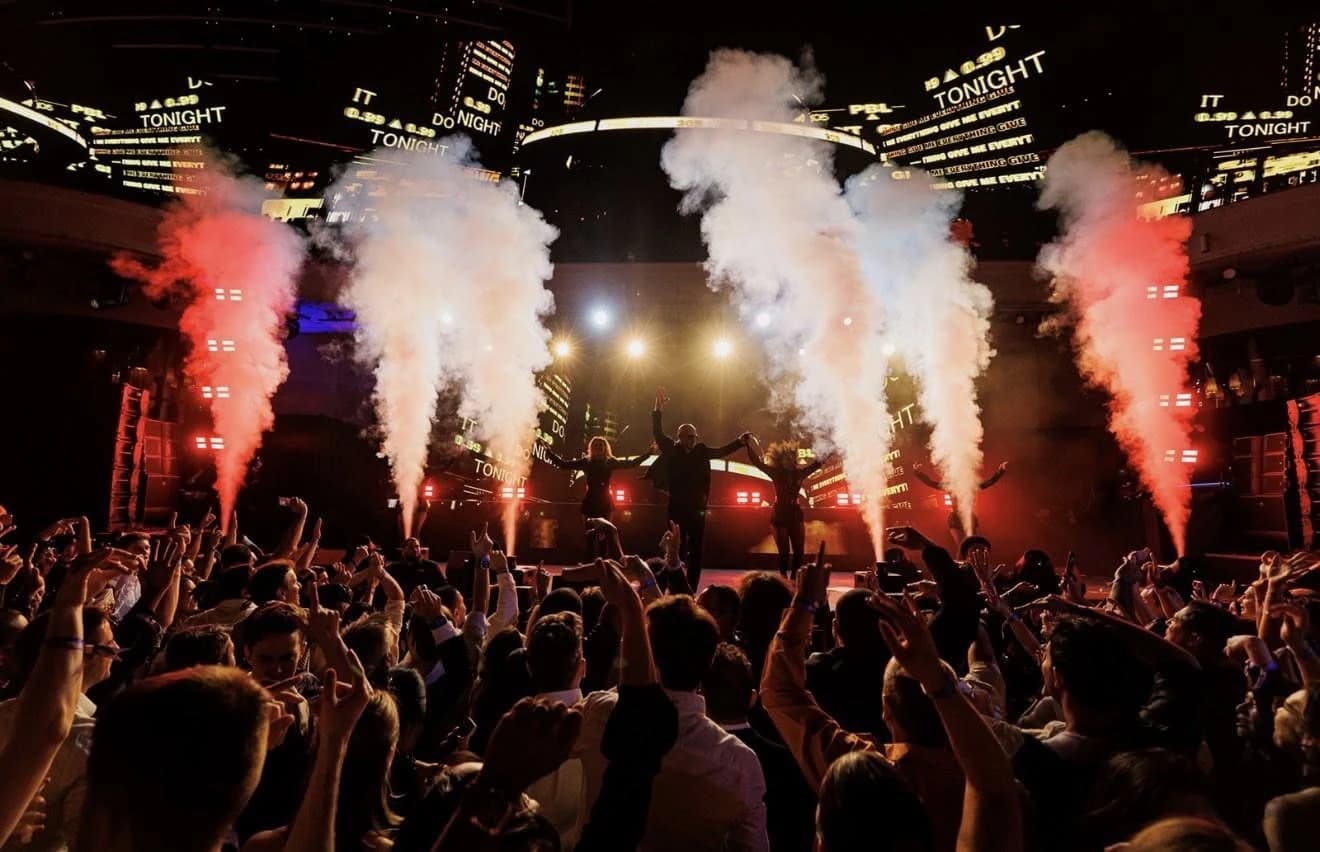
AerialBeam / effect fixture
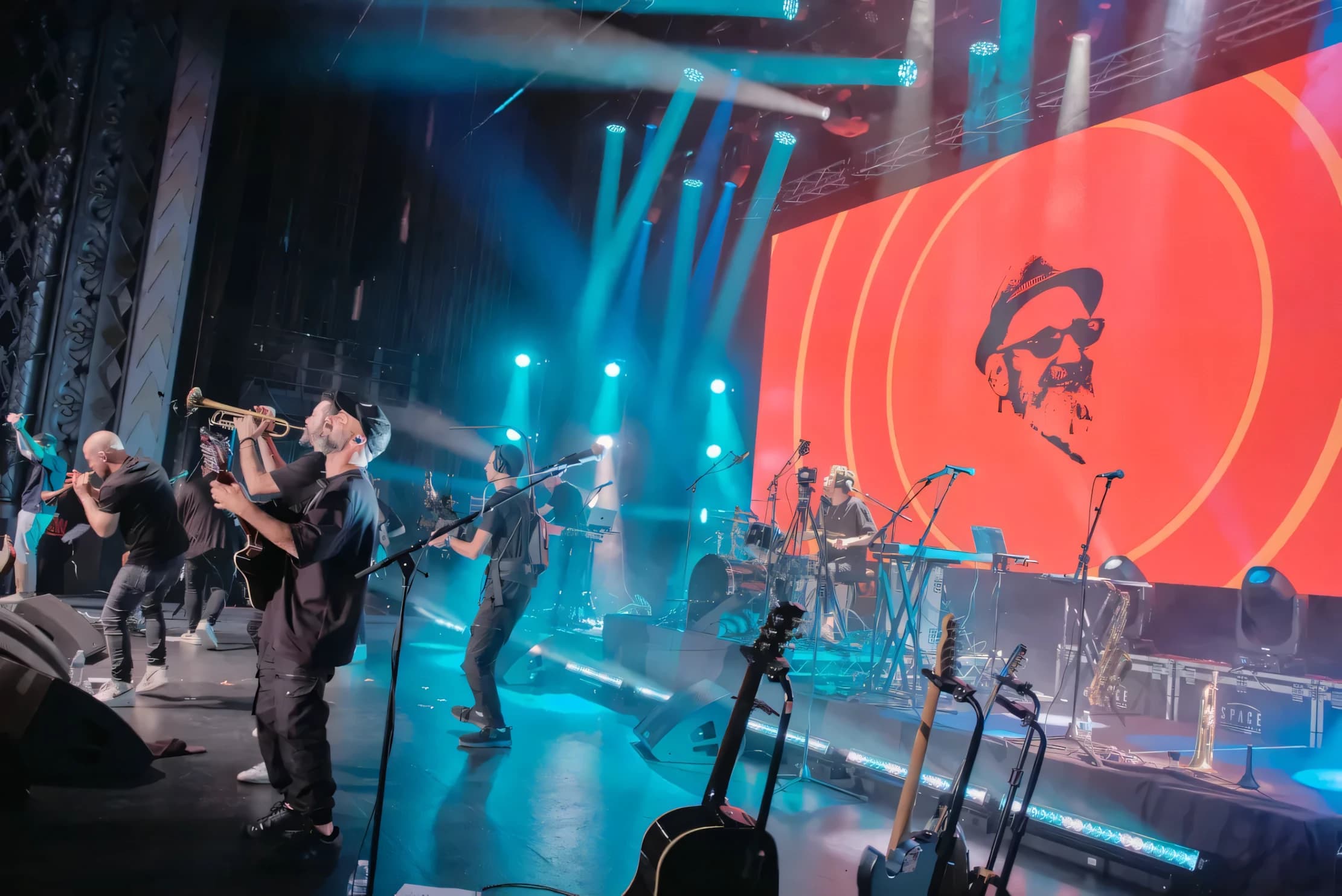
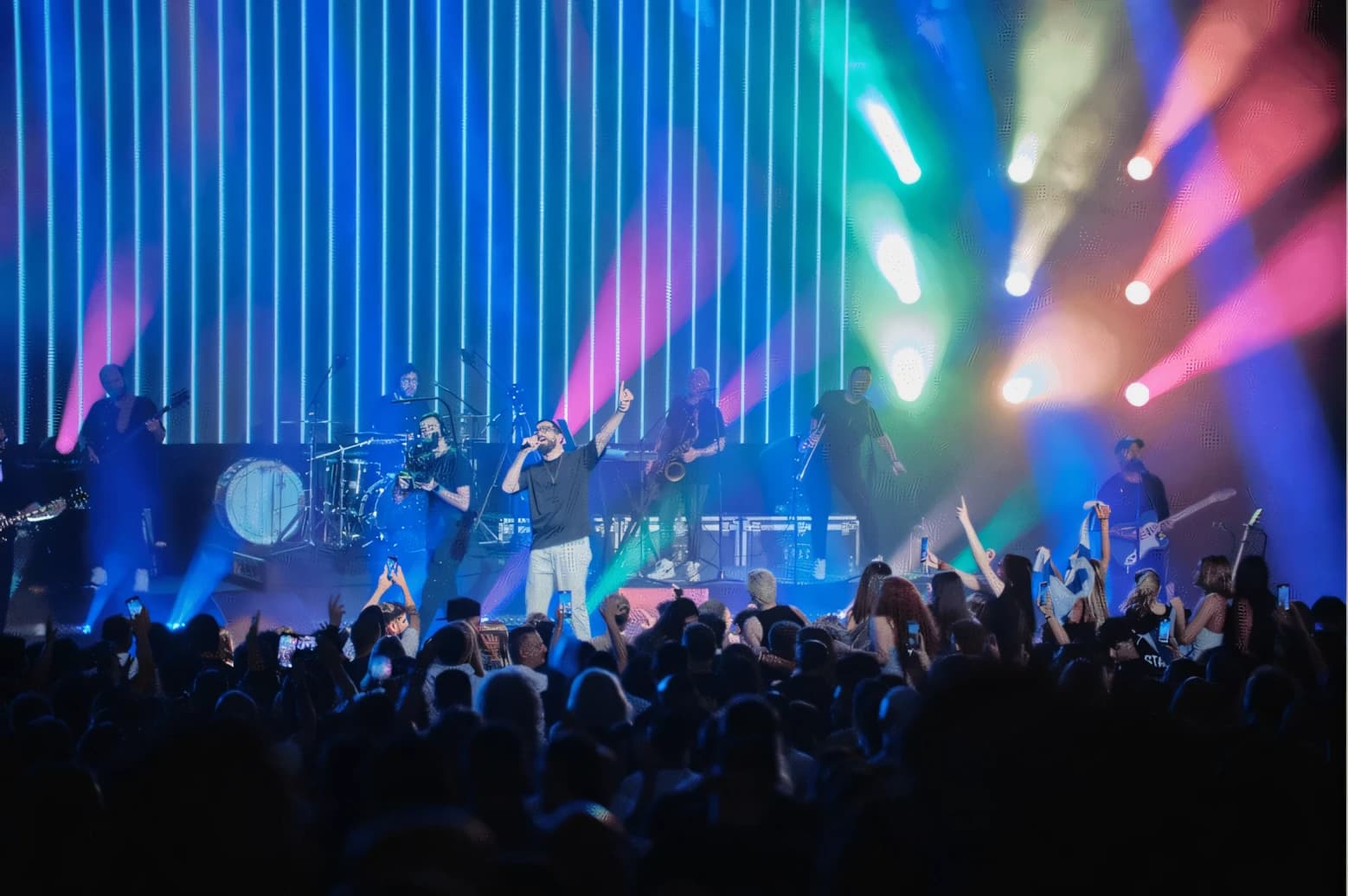
A tight, high-intensity beam built to be seen in the air rather than to land on a surface.
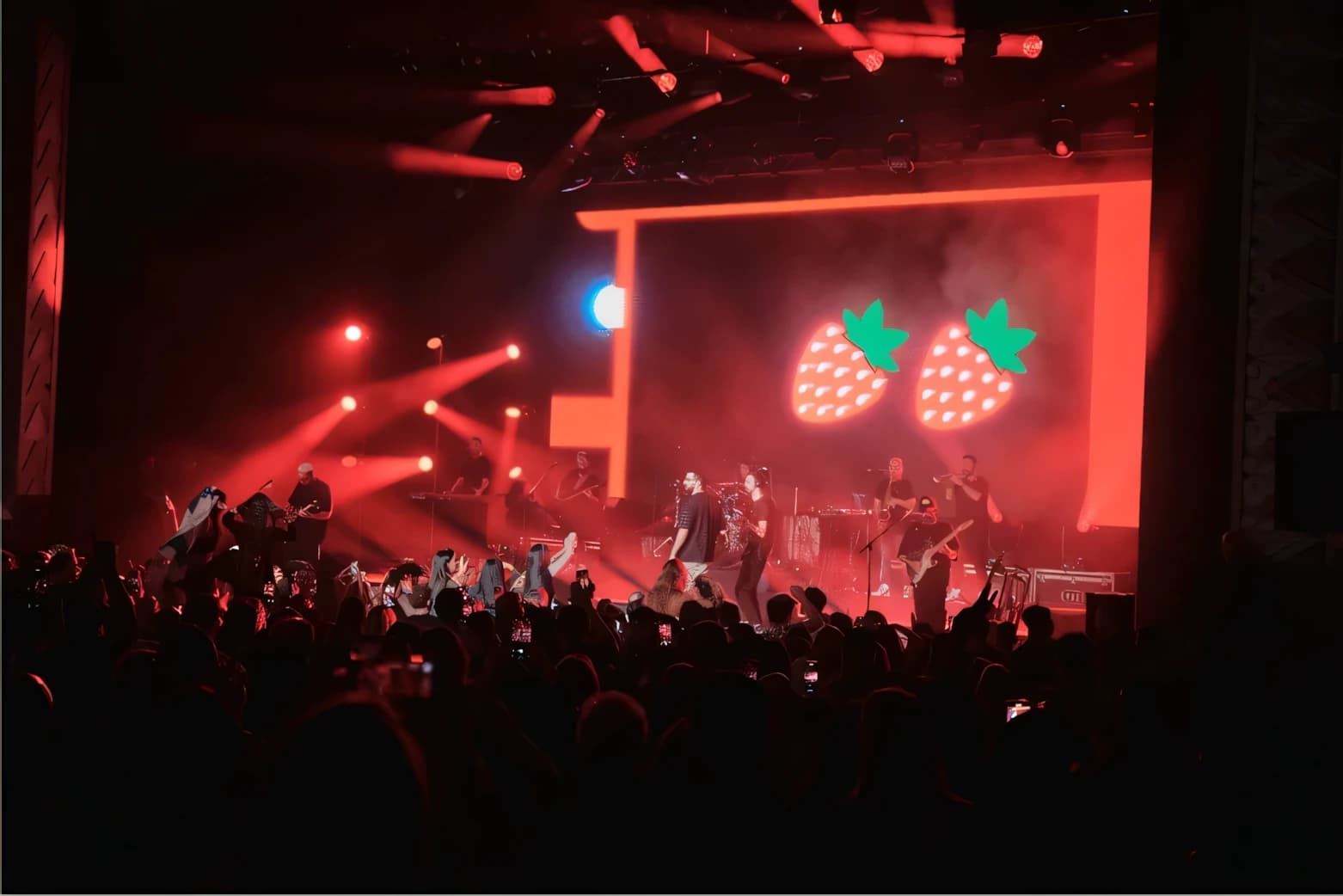
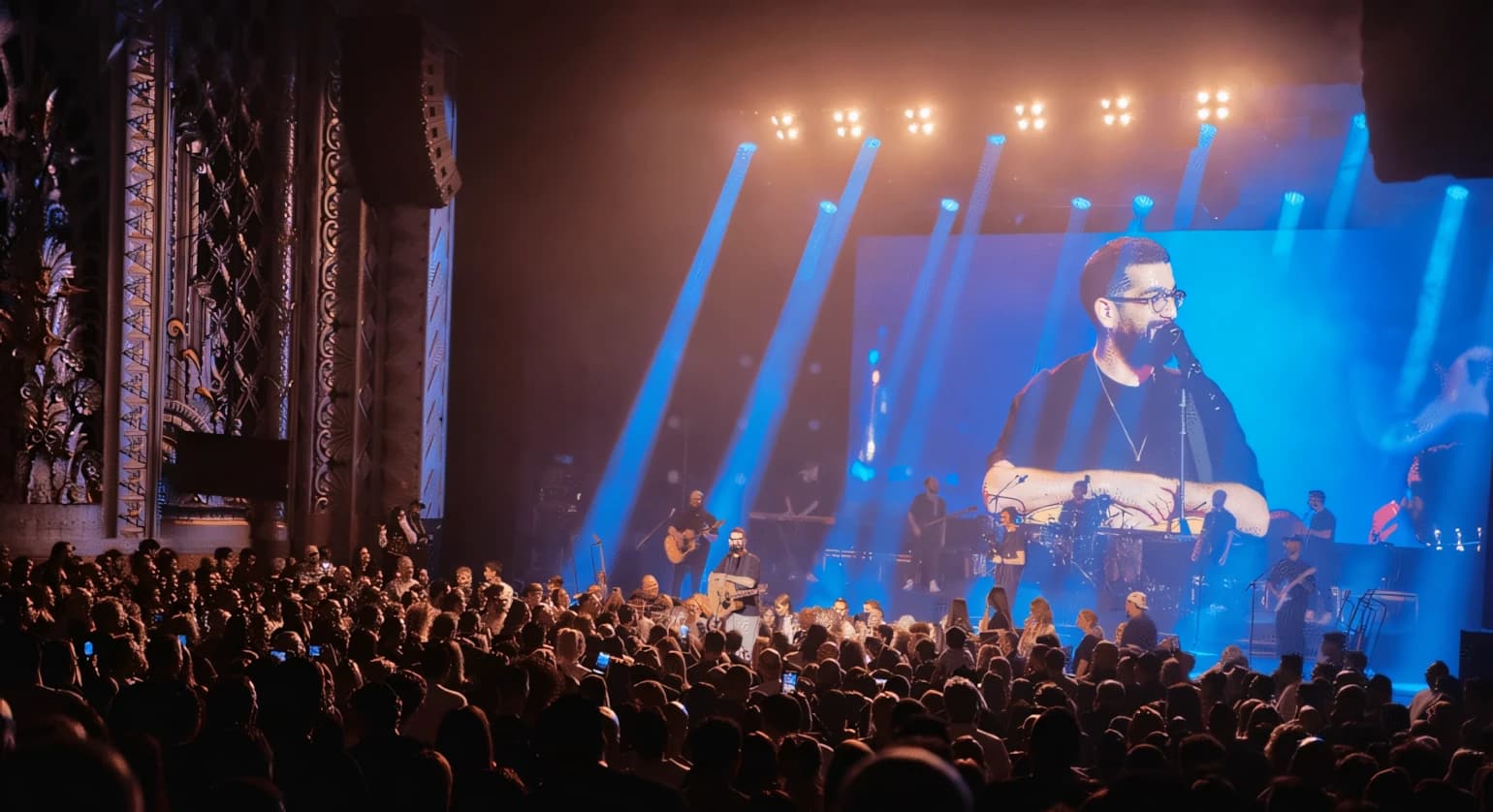
Ask for it when: Walk-ins, reveals, and concert moments — the aerial looks people actually photograph.
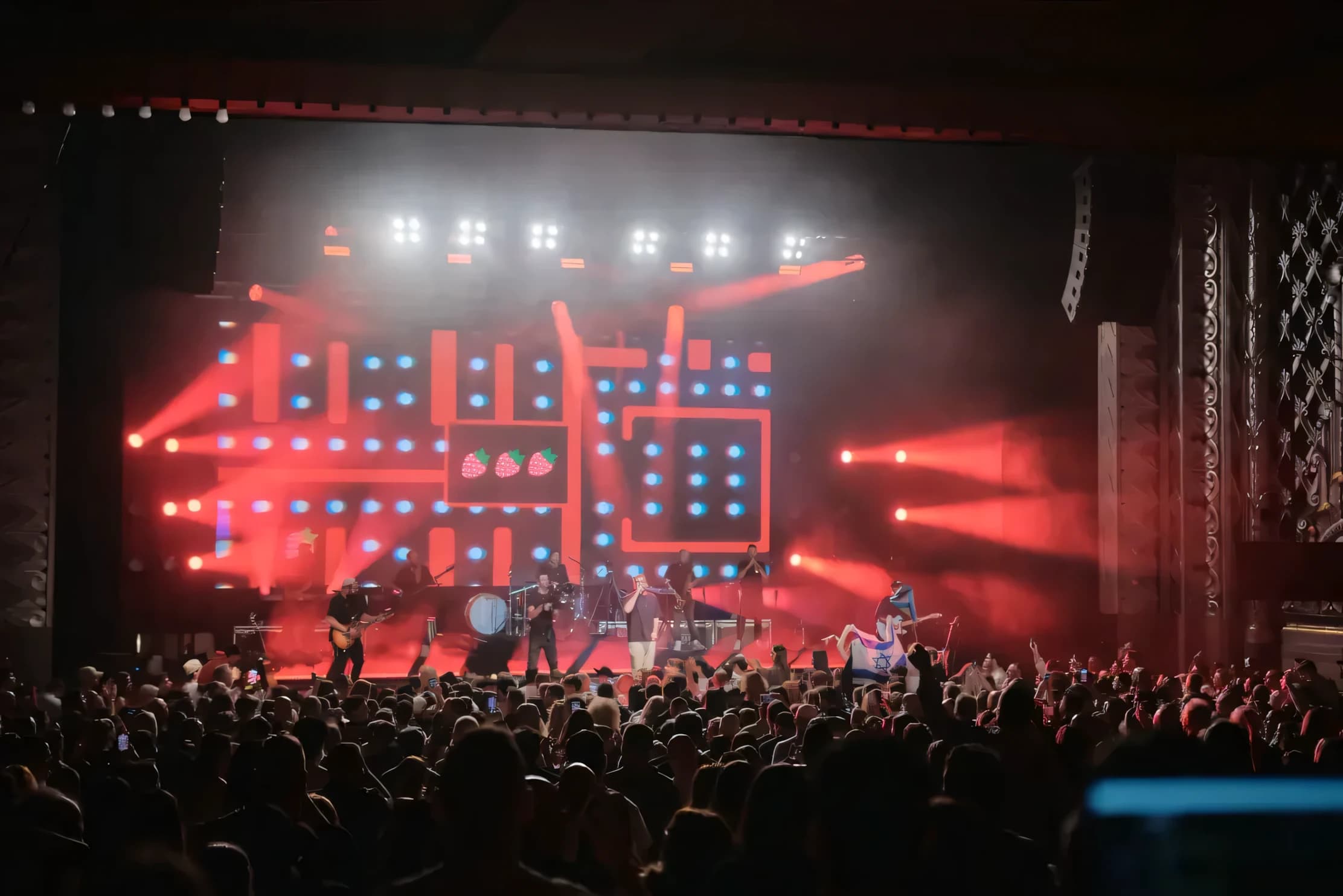
AudienceBlinder
A bank of warm lamps pointed at the crowd rather than the stage.
Ask for it when: The moment the room becomes the show — a drop, a reveal, an entrance.
AtmosphereHaze
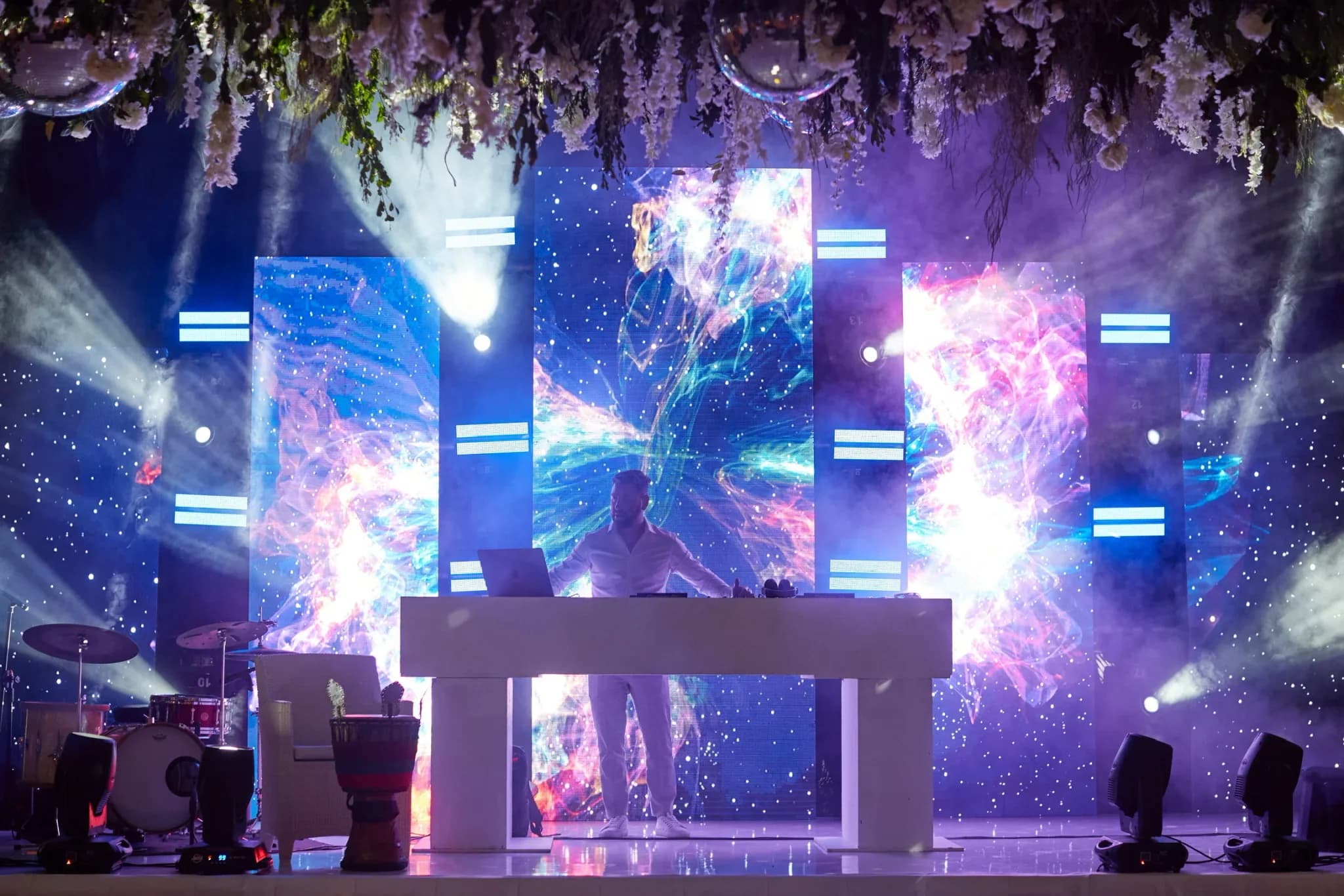
A fine, even suspension in the air that makes beams visible. Not smoke — done right you shouldn’t smell it.
Ask for it when: Any beam look at all. Without haze the aerial effects you’re paying for are invisible. Needs venue fire-panel sign-off, which we arrange in advance.
StructureTruss & ground support
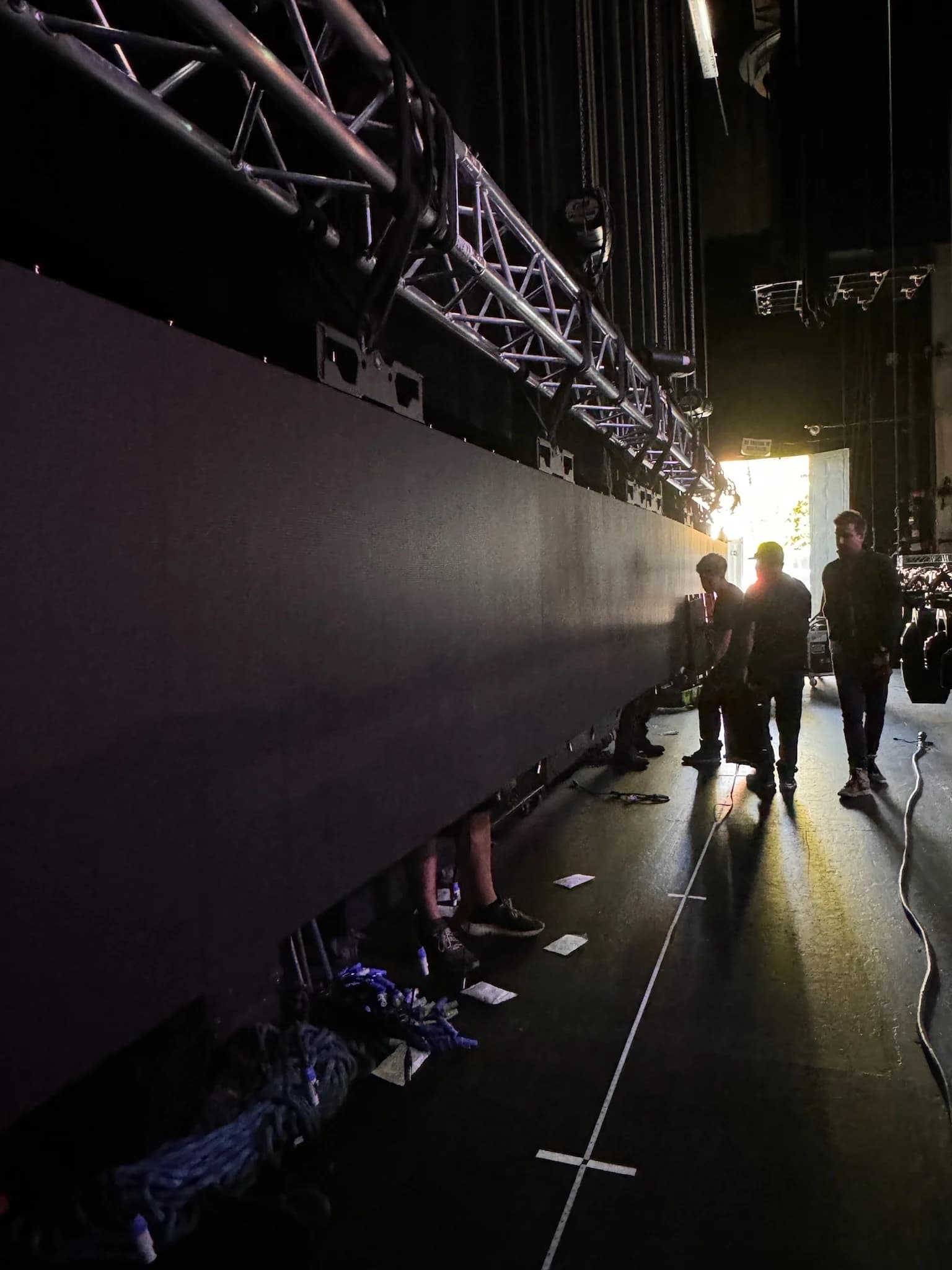
The aluminium structure fixtures hang from — flown from the ceiling, or standing on its own towers.
Ask for it when: Raise it early. Whether your room has usable rigging points decides a surprising share of the lighting budget.
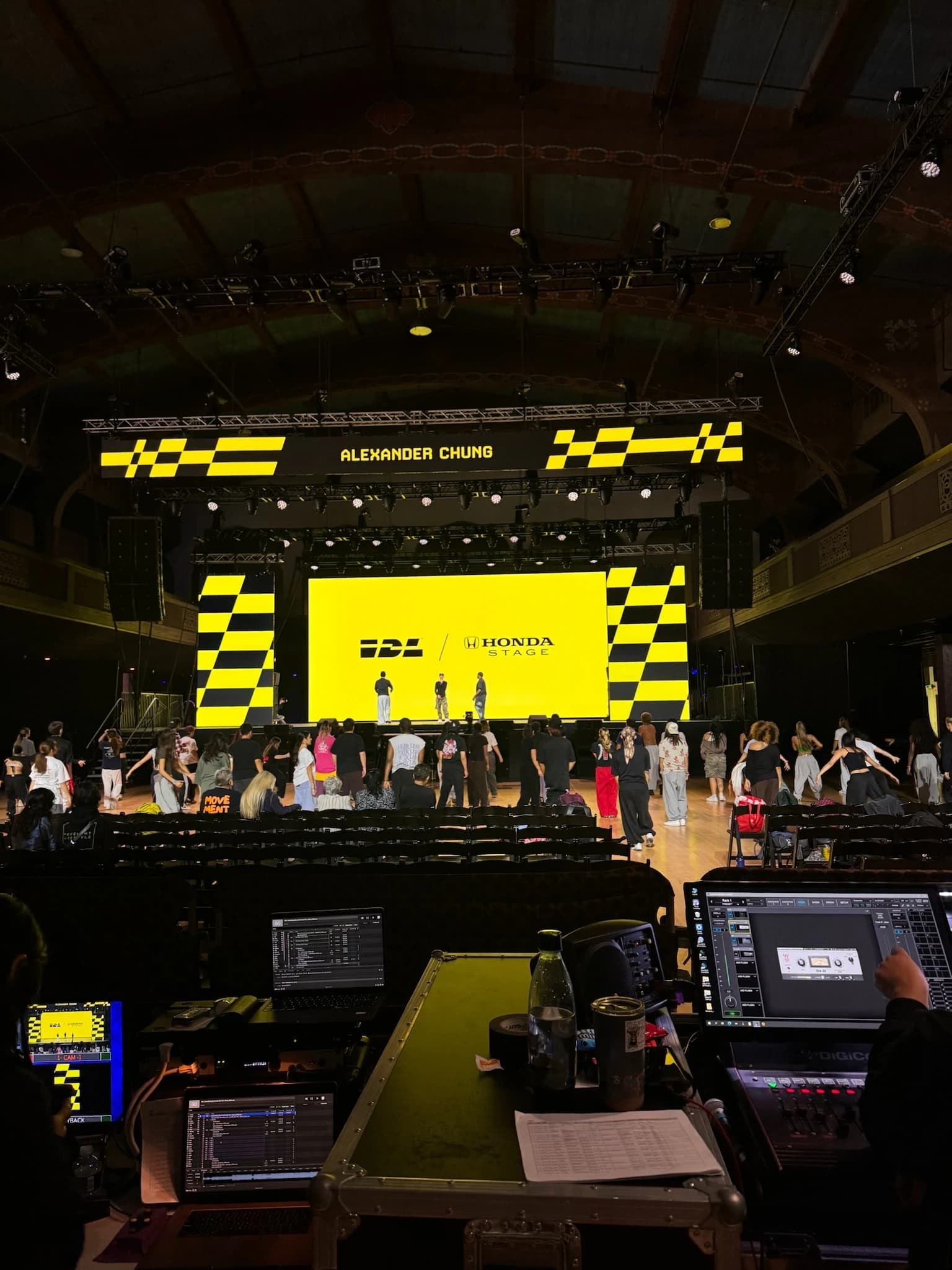
ControlConsole & board op
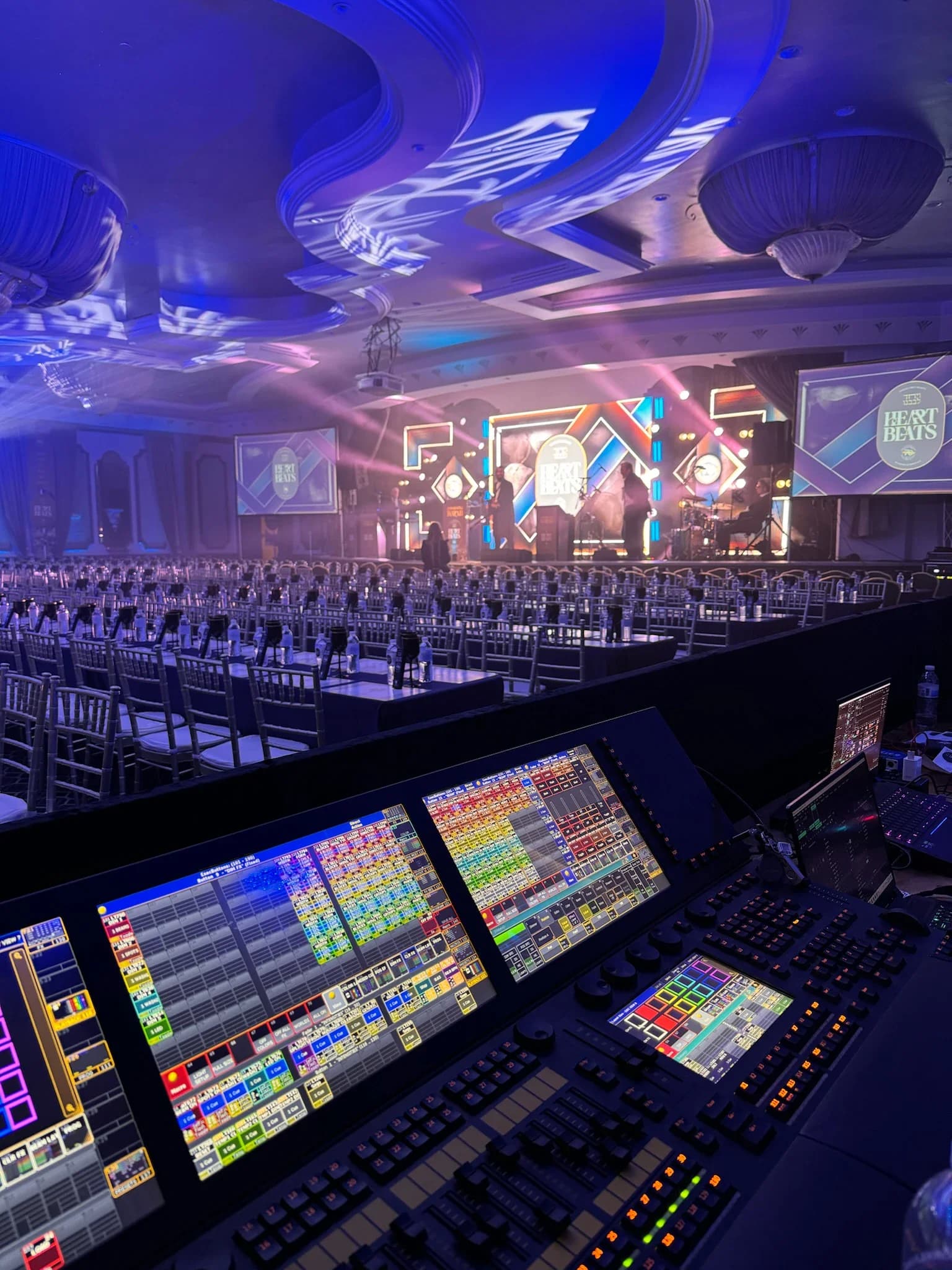
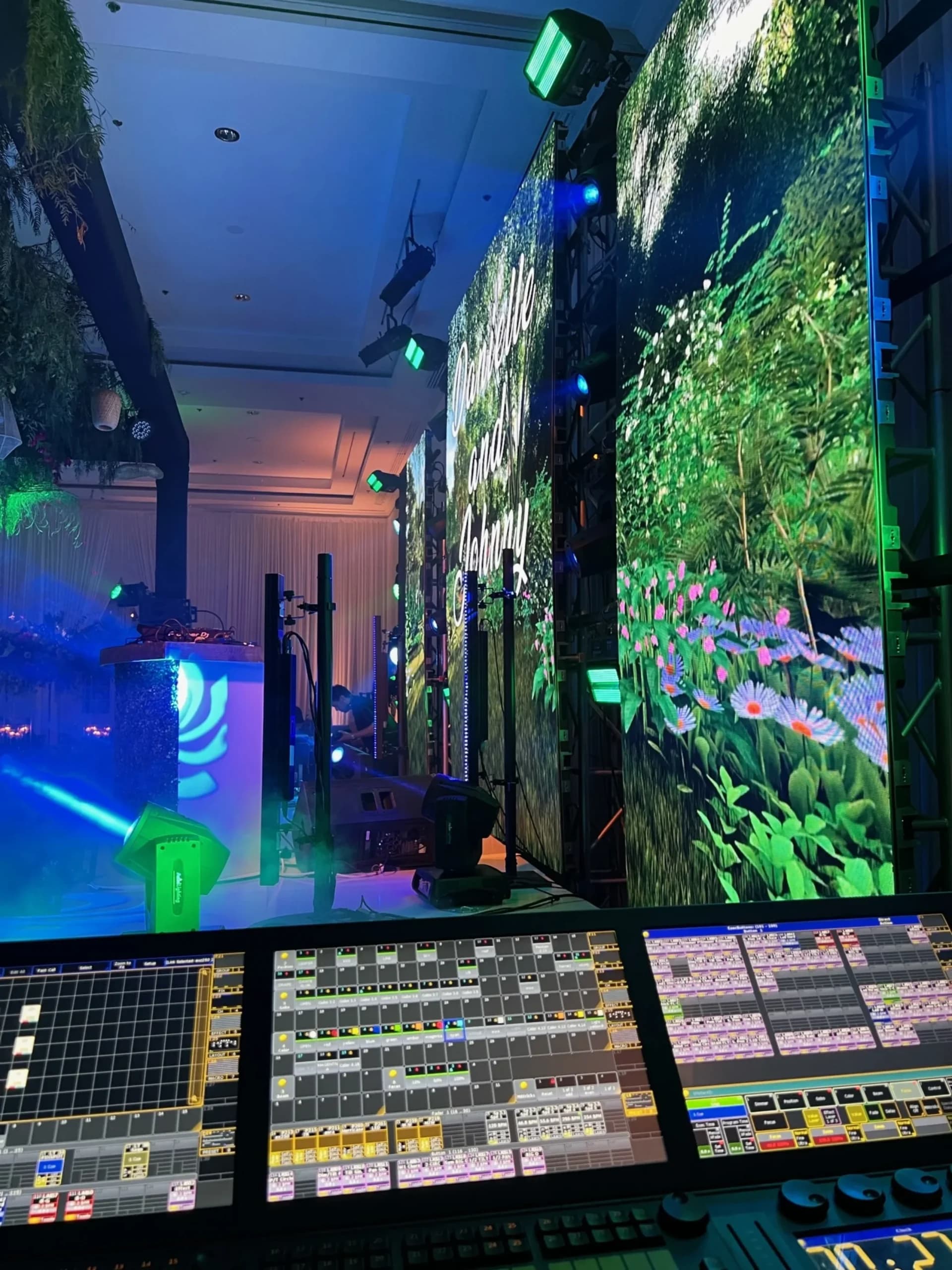
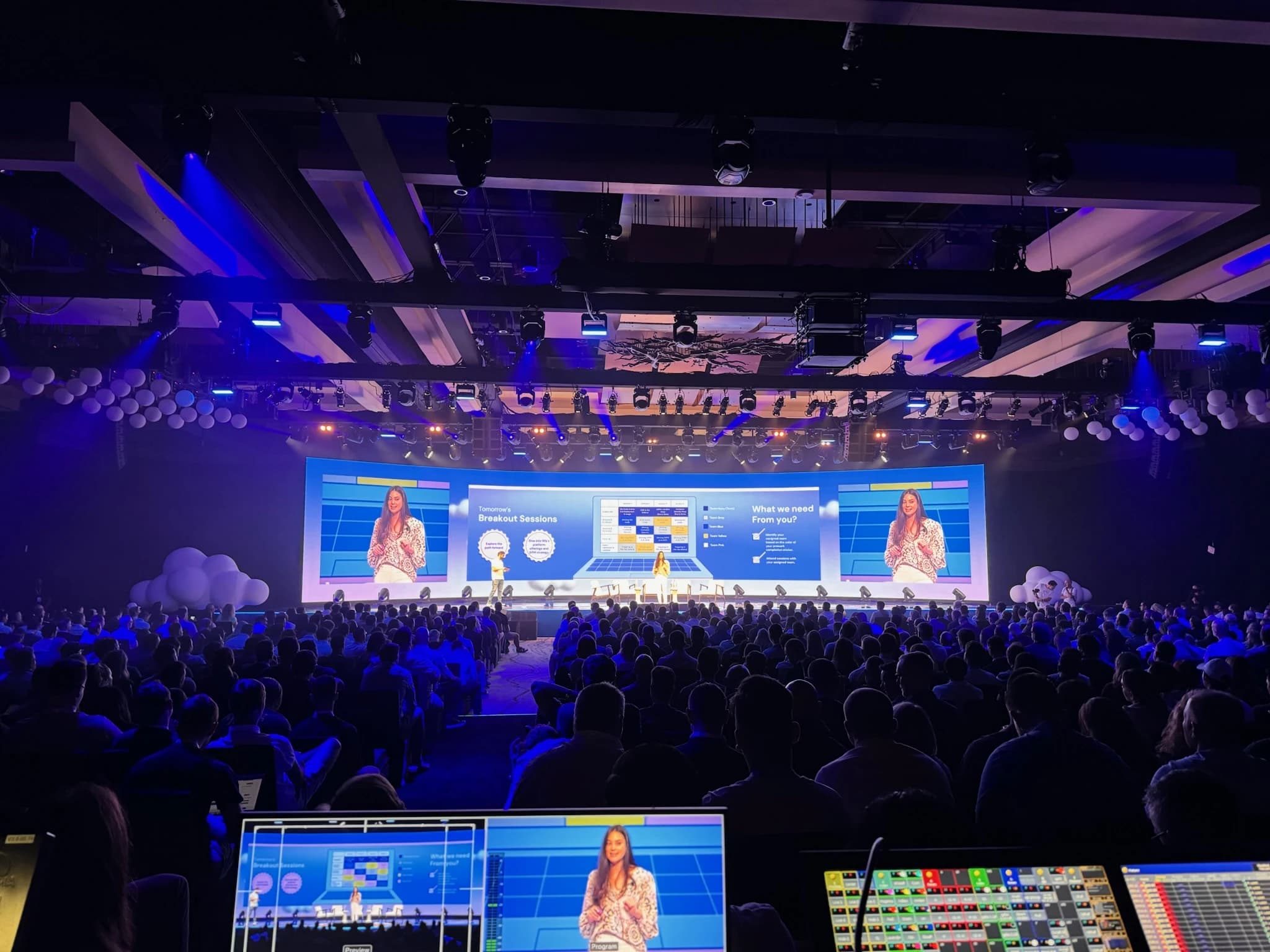
The desk the show is programmed into, and the operator running it live.
Ask for it when: Always ask who is actually on the desk. A pre-programmed rig with nobody running it can’t react when the show shifts — and shows shift.